
How Digital Precision Is Reshaping Modern Sports Performance Analysis
The Data Revolution in Matchday Coverage
The modern sports landscape has shifted dramatically from intuition-based coaching to rigorous data-driven strategies. Teams now employ armies of analysts who break down every pass, sprint, and defensive positioning. This evolution ensures that tactical adjustments are no longer guesses but calculated responses to measurable patterns.
Latest news
 Travis Erickson: How to Watch NFL Week 6 – Bengals on Bye, Browns Face Ravens
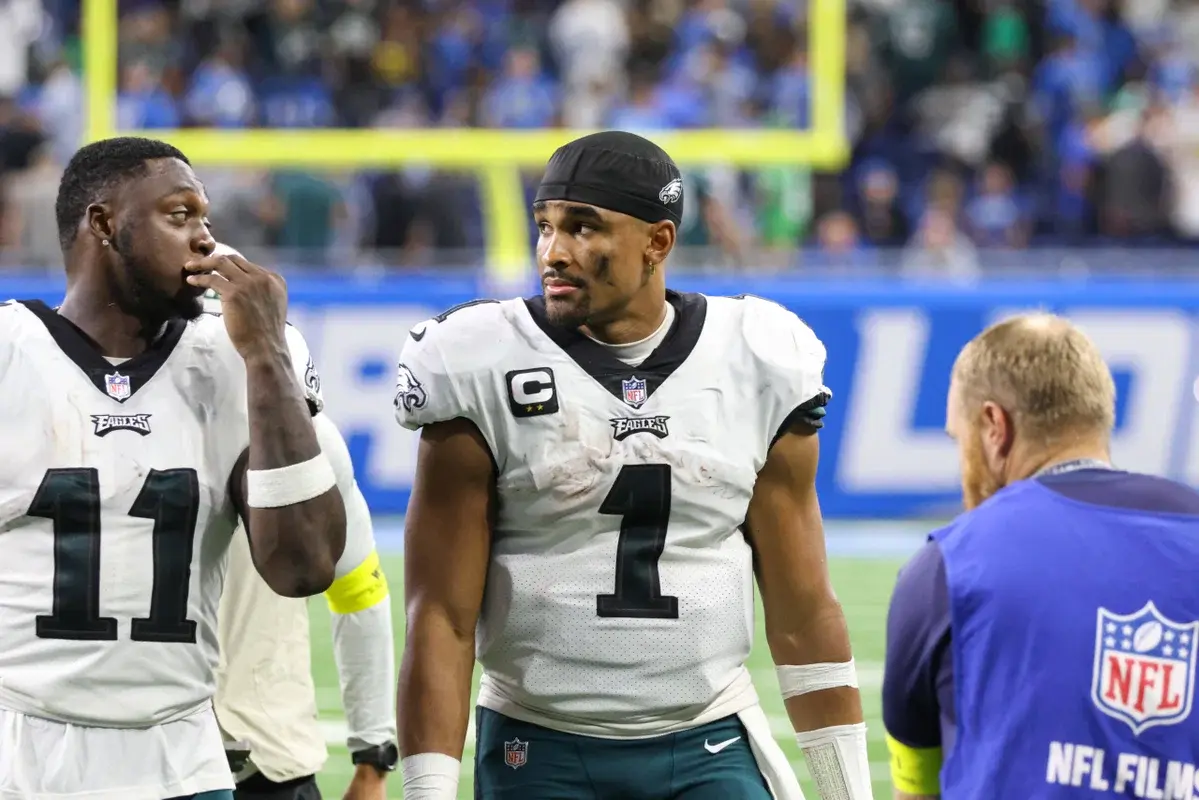 Former NFL Star Predicts Eagles Will Trade Up for Draft Capital After Jalen Hurts Injury
 Brewers Eye First World Series Trip Since 1982 in Game 4 Clash With Dodgers
 Emmitt Smith Defends Taylor Swift's Presence at Chiefs Games Amid Lip-Reading Debate
For fans, this depth of information changes how we consume live events. We no longer just watch the action; we interpret it through layers of statistical context. Broadcasters integrate these insights into commentary, enhancing the viewing experience for millions of global audiences.
This digital transformation extends beyond the pitch or court. It impacts how sports organizations manage their digital presence and fan engagement channels. Efficient website performance and accurate traffic analysis have become critical components of a club’s broader operational strategy.
When a major league team releases a new jersey line or announces ticket sales, the surge in online activity must be managed seamlessly.
Distinguishing between genuine human interest and automated bot activity is essential for accurate market intelligence. Tools designed to separate trafic real vs roboți allow sports marketers to understand true fan sentiment without noise from crawlers or scripts.
Tactical Breakdowns and the New Standard of Analysis
Consider the recent tactical shifts in top-tier football. Coaches now use heat maps and movement tracking to identify exploitable weaknesses in opposition defenses. A striker’s off-the-ball runs are mapped against specific center-back tendencies, creating a chess-like dynamic that unfolds in real-time during matches.
Basketball has seen a similar revolution with pace-and-space offenses. Analytics reveal which spacing configurations yield the highest expected points per possession. Teams adjust their rotations and substitutions based on these granular metrics rather than traditional scouting reports alone.
Tennis players utilize biomechanical sensors to refine their strokes and reduce injury risk. The data collected from high-speed cameras and wearable devices provides immediate feedback on technique.
This feedback loop allows athletes to make micro-adjustments during training sessions, optimizing physical output before competition day.
The accuracy of these systems depends heavily on clean data pipelines. If the underlying technical infrastructure fails, the insights derived from it become unreliable. Developers ensuring site stability and security play a silent but vital role in maintaining the integrity of digital sports ecosystems.
Fan Engagement and Digital Infrastructure
Sports franchises increasingly rely on digital platforms to monetize fan relationships. From fantasy league participation to live streaming subscriptions, the digital footprint is massive. Any disruption in service or misleading traffic metrics can impact revenue projections and strategic planning significantly.
Accurate measurement of user behavior helps clubs allocate marketing budgets more effectively. By identifying genuine engagement spikes versus automated traffic, organizations can target their advertising spend toward high-value demographics.
This precision reduces waste and maximizes return on investment in digital campaigns.
As technology continues to advance, the boundary between physical performance and digital optimization will blur further. Wearable tech will likely integrate directly with broadcast graphics, giving viewers instant biometric insights. The transparency of this data will reshape player contracts and trade negotiations, making health metrics a central factor in deal values.
Ultimately, the goal is a seamless ecosystem where physical excellence meets digital efficiency. For the fan, this means a richer, more informed viewing experience. For the organization, it means robust operations that can withstand the pressure of high-stakes competition. The future of sports belongs to those who master both the game and the data behind it.
Content written by Maria Santos for live-sports-site.com editorial team, AI-assisted.