
Analytics Spark NBA Drama: Legends Cite Shot Restrictions, Stars Push Back
Data-Driven Decisions Reshape Young Talent Development
The tension has escalated significantly over the past few months. Coaches now frequently claim victory based on statistical models rather than on-court execution. Superstars openly campaign against these tactical shifts, arguing they stifle creativity. Basketball legends have revealed that they were previously restricted from taking their signature shots due to analytical constraints. These developments have created substantial drama across the professional basketball landscape.
Latest news
 Travis Erickson: How to Watch NFL Week 6 – Bengals on Bye, Browns Face Ravens
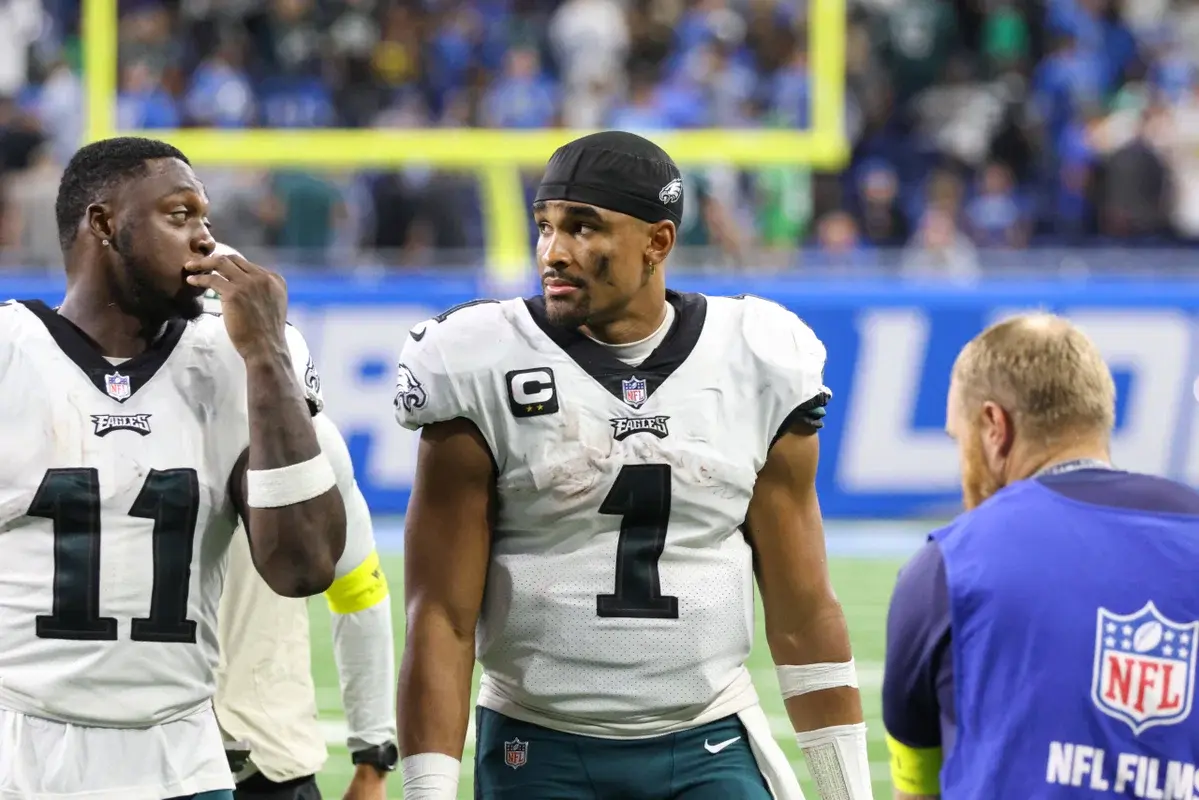 Former NFL Star Predicts Eagles Will Trade Up for Draft Capital After Jalen Hurts Injury
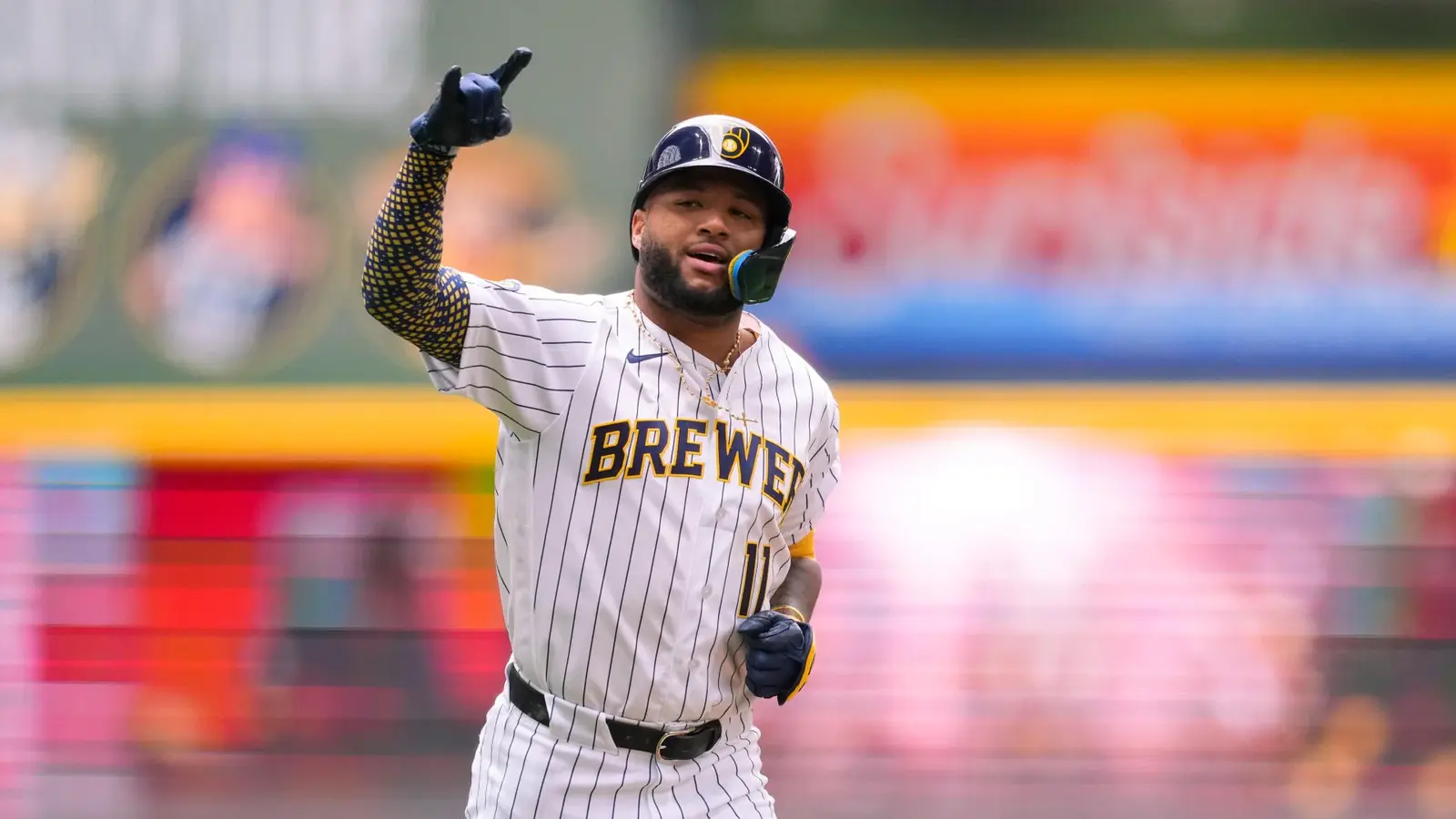 Brewers Eye First World Series Trip Since 1982 in Game 4 Clash With Dodgers
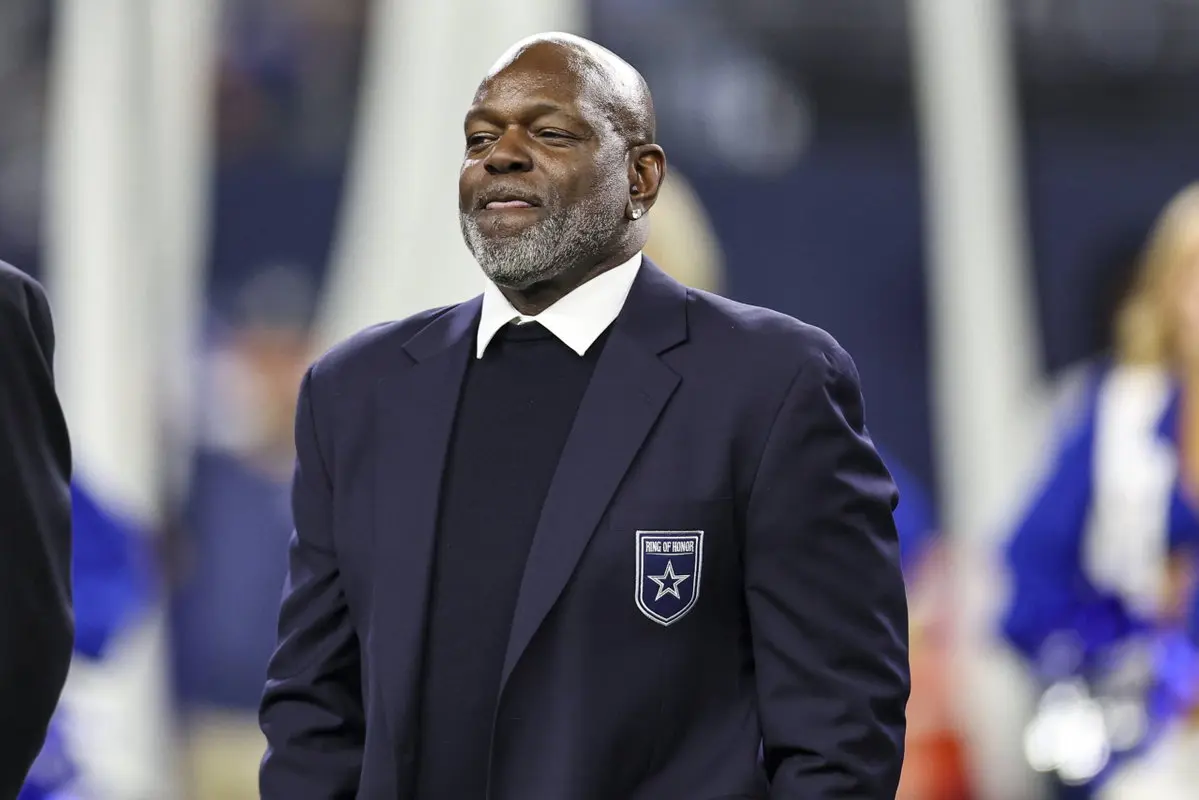 Emmitt Smith Defends Taylor Swift's Presence at Chiefs Games Amid Lip-Reading Debate
Analytics influence how teams manage minutes, shot selection, and defensive assignments for rookies. Jonathan Kuminga and Bennedict Mathurin serve as primary examples of this shift. Their playing time and offensive freedom have been adjusted to align with efficiency metrics. Traditional coaches often prioritize feel and experience, while analysts rely on expected value calculations. This divergence creates friction during game management decisions. Players may find themselves limited to specific roles that maximize team statistics but reduce individual expression. The result is a slower adaptation period for young athletes entering the professional circuit.
Coaches justify these changes by pointing to long-term team success rates. They argue that optimizing possession outcomes leads to more wins. However, critics note that this approach can hinder skill acquisition. Young players miss opportunities to develop range and decision-making under pressure. The reliance on data sometimes overrides the intuitive understanding of game flow. This methodical approach contrasts sharply with the improvisational style that defined previous eras of the sport.
Does Efficiency Stifle Creative Playmaking?
The debate centers on whether strict adherence to numbers reduces basketball artistry. Legends suggest that prohibiting signature shots limits a player's identity. For Kuminga and Mathurin, this means navigating a system that prioritizes high-percentage looks. Their natural instincts may be suppressed in favor of statistically superior options. Fans observe a decline in dynamic, unstructured play during key moments. Teams defend against analytics by emphasizing physicality and transition speed. Yet, the underlying strategy remains rooted in mathematical probability.
Players must adapt to these rigid frameworks quickly. Failure to conform can lead to reduced role or bench time. The psychological impact on young athletes is significant. They learn to trust algorithms before trusting their own eyes. This cultural shift affects not just performance, but the fundamental joy of the game. The balance between innovation and tradition remains elusive for many franchises.
Frequently Asked Questions
The future of the NBA depends on integrating both perspectives. Teams will likely continue refining their analytical models. Young stars must demonstrate versatility to survive these systems. The ongoing dialogue ensures that basketball evolves without losing its soul. Success will belong to those who blend data with instinct effectively.
How do analytics affect rookie playing time? Analytics dictate minute allocation based on efficiency ratings. Rookies often see reduced minutes if their stats do not meet projected thresholds.
Why do legends oppose shot restrictions? Veterans argue that limiting signature shots hinders player development. They believe creative freedom is essential for mastering the game.
Content written by Alex Turner for live-sports-site.com editorial team, AI-assisted.