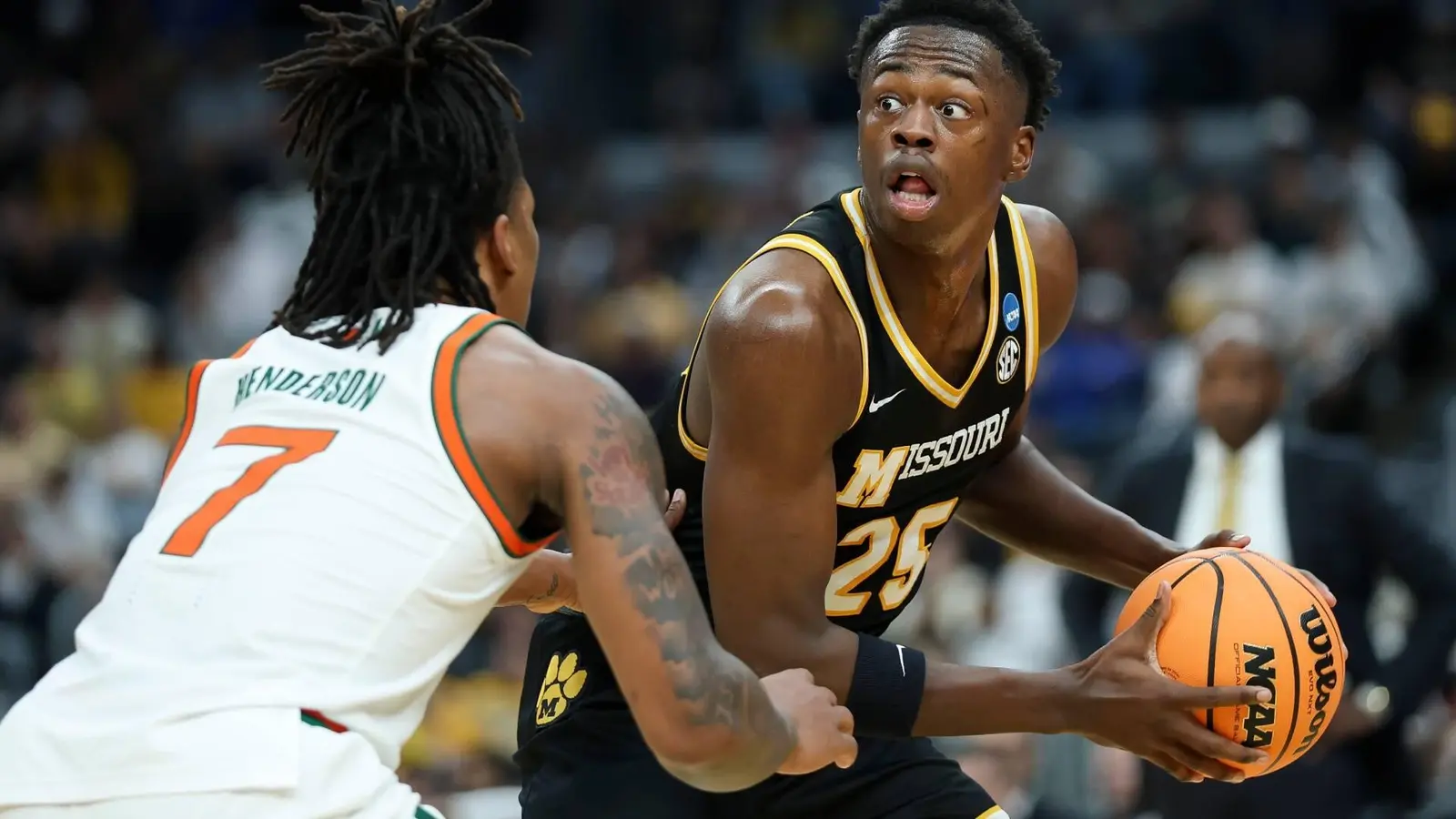
Court ruling leaves Mark Mitchell, other fifth-year college athletes in eligibility limbo
What does this mean for the athletes' immediate futures?
A Kentucky Court of Appeals decision on Friday dissolved a temporary injunction that had allowed Missouri star Mark Mitchell and several other prominent college basketball players to pursue a fifth season of eligibility. The ruling impacts athletes from Missouri, Louisville, and LSU who were relying on the court order to extend their playing careers beyond the standard four years. The case centers on whether these athletes qualify for an additional year due to pandemic-related disruptions and NCAA waiver policies.
Latest news
 Travis Erickson: How to Watch NFL Week 6 – Bengals on Bye, Browns Face Ravens
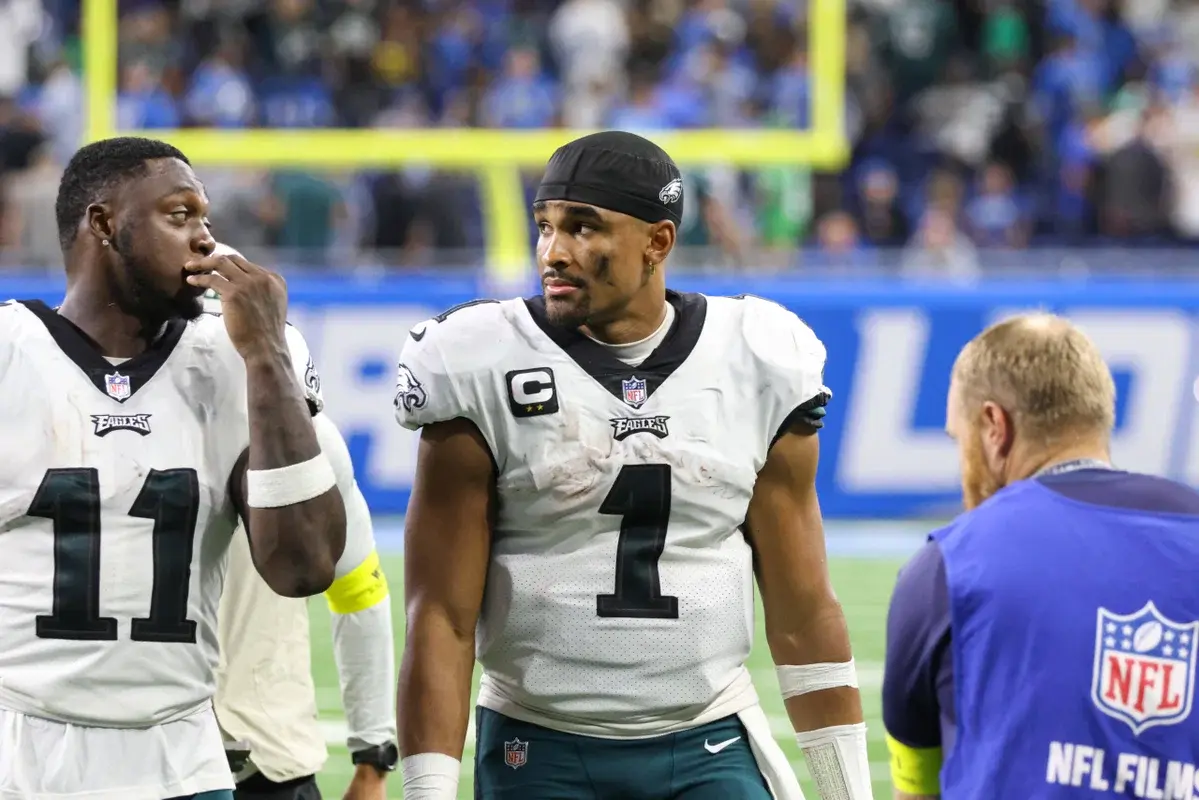 Former NFL Star Predicts Eagles Will Trade Up for Draft Capital After Jalen Hurts Injury
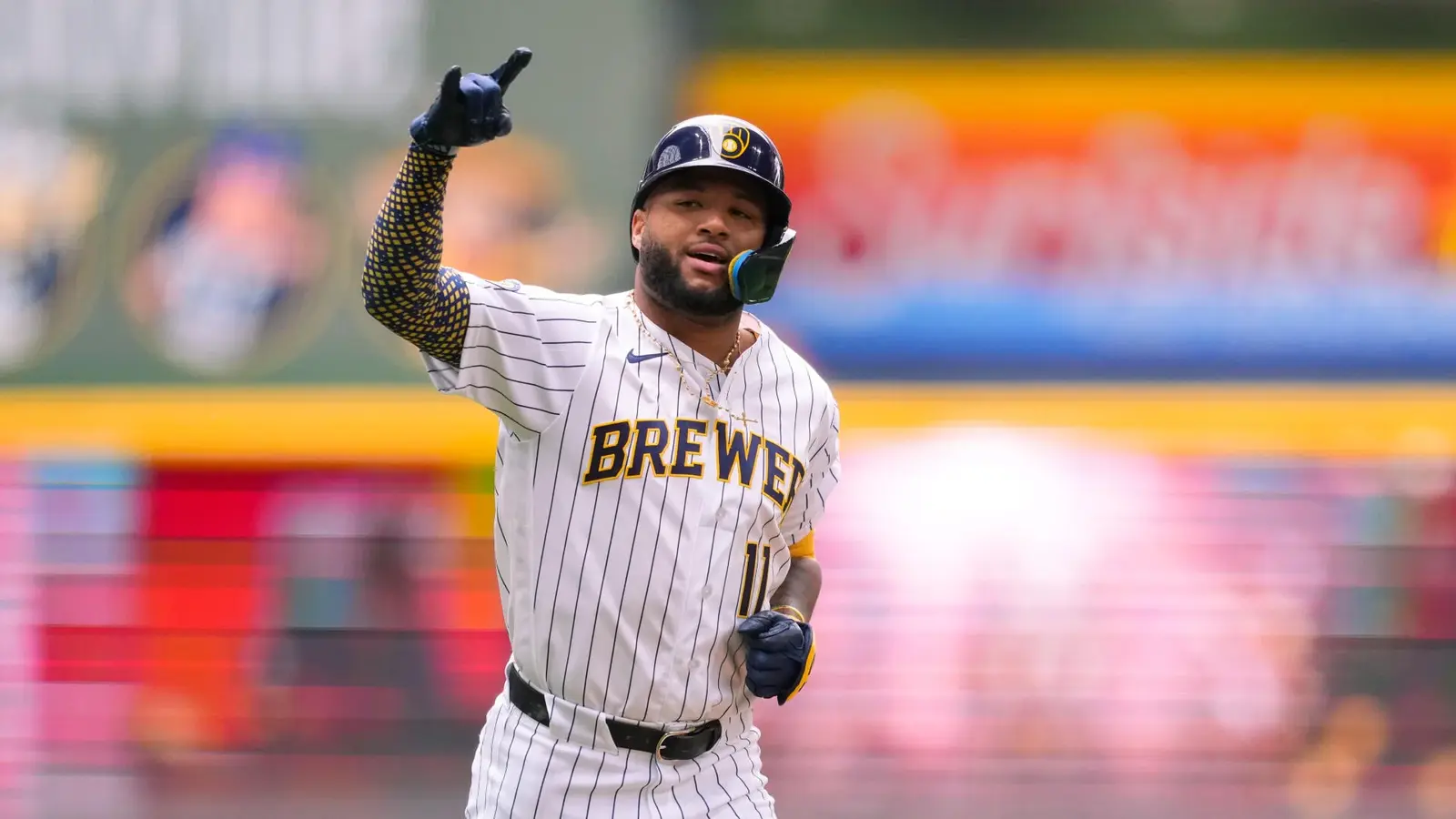 Brewers Eye First World Series Trip Since 1982 in Game 4 Clash With Dodgers
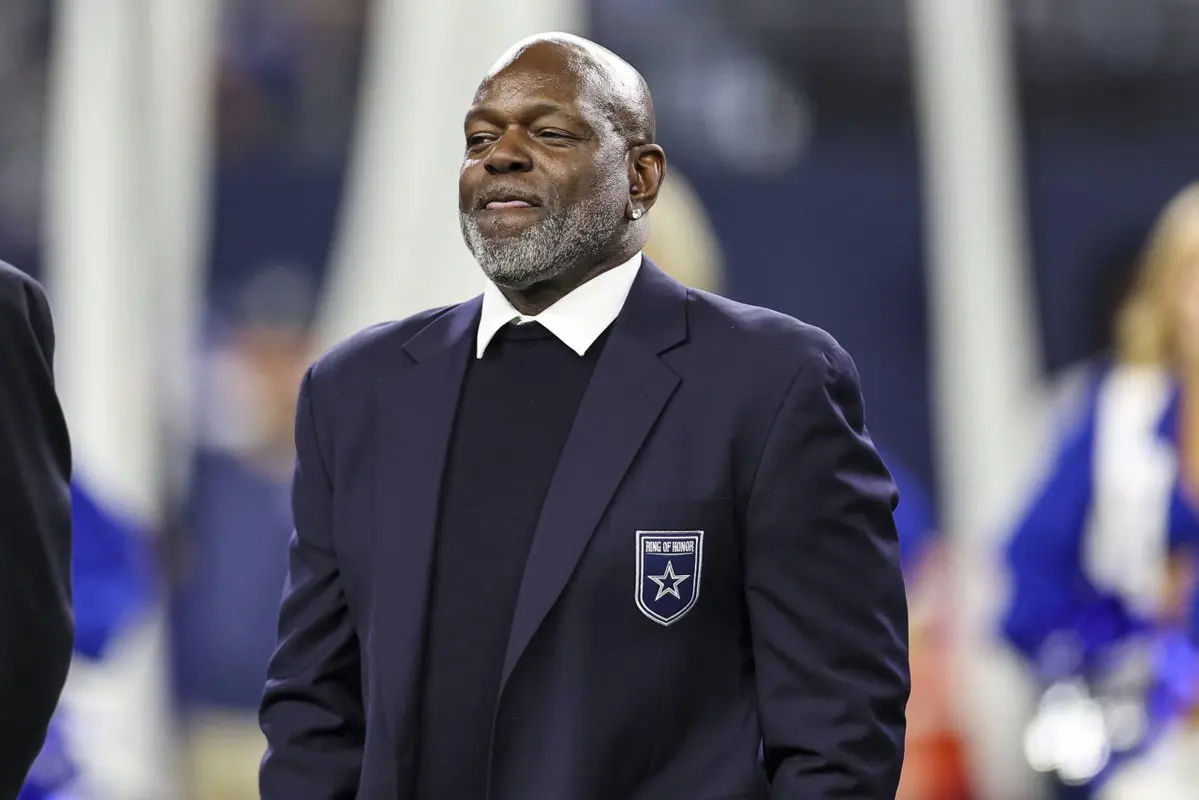 Emmitt Smith Defends Taylor Swift's Presence at Chiefs Games Amid Lip-Reading Debate
The legal battle began when Mitchell, Trimble, and Clark sought relief after being denied fifth-year eligibility by the NCAA. A lower court had granted a temporary injunction permitting them to play while their cases proceeded. However, the appellate court determined the injunction was improperly issued, citing insufficient evidence of irreparable harm and questioning the jurisdiction of the original ruling. This reversal leaves their status uncertain as the college basketball season approaches.
How might this ruling affect future eligibility cases?
With the injunction lifted, Mitchell, Trimble, and Clark are currently ineligible to compete for their respective teams unless they secure alternative legal relief or NCAA approval. Their universities may now face difficult decisions about roster management and scholarship allocations. The athletes could pursue further appeals, potentially escalating the case to a state supreme court or seeking direct intervention from the NCAA eligibility committee.
The appellate court’s decision sets a precedent that could make it harder for other athletes to obtain similar injunctions in future eligibility disputes. By emphasizing the need for stronger proof of harm and proper jurisdictional grounding, the ruling may encourage stricter scrutiny of waiver requests. Legal experts suggest this could lead to more early settlements or increased reliance on NCAA internal processes rather than litigation.
Why were these athletes seeking a fifth year of eligibility? They argued that disruptions caused by the COVID-19 pandemic warranted an extra season of play, similar to waivers granted to other athletes during that period.
Frequently Asked Questions
Can the athletes still play this season if they appeal? Only if a higher court reinstates the injunction or the NCAA grants eligibility through its own waiver process, neither of which is guaranteed at this time.
What is the NCAA's current stance on pandemic-related eligibility waivers? The NCAA has largely standardized its pandemic waiver policies, with most automatic extensions expired, leaving individual cases to be reviewed based on specific circumstances and documentation.
Content written by David Cobb for live-sports-site.com editorial team, AI-assisted.