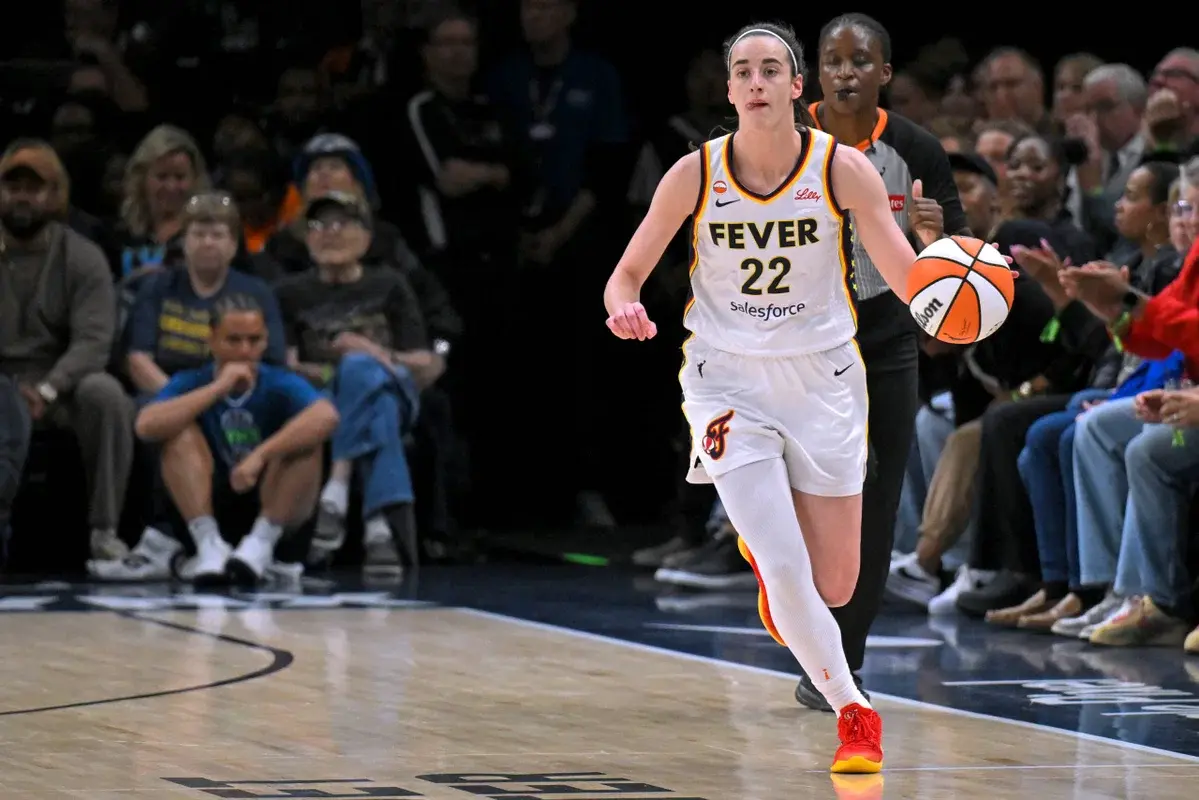
ESPN Host Praises Caitlin Clark’s Composure After Fever’s Game 2 Surge
How Clark’s Playmaking Changed the Fever’s Offensive Rhythm
Following Indiana Fever’s 102-85 blowout loss to the Las Vegas Aces in Game 1 of the WNBA semifinals, doubts crept in about the team’s ability to adjust defensively and stay competitive. Broadcaster Robin Lundberg admitted he felt like he was witnessing the beginning of the end for Indiana’s playoff hopes. However, Game 2 told a completely different story, as Caitlin Clark delivered a historic performance that not only fueled a Fever victory but also shifted the momentum of the series entirely. Her ability to score, facilitate, and remain poised under pressure left analysts and fans alike reconsidering what she brings to the floor beyond just scoring.
Latest news
 Travis Erickson: How to Watch NFL Week 6 – Bengals on Bye, Browns Face Ravens
 Former NFL Star Predicts Eagles Will Trade Up for Draft Capital After Jalen Hurts Injury
 Brewers Eye First World Series Trip Since 1982 in Game 4 Clash With Dodgers
 Emmitt Smith Defends Taylor Swift's Presence at Chiefs Games Amid Lip-Reading Debate
Clark finished Game 2 with 30 points, 10 assists, and 8 rebounds — a near triple-double that underscored her all-around impact. She shot efficiently from deep and mid-range, consistently breaking down the Aces’ defense with her vision and quick decision-making. Lundberg noted that what stood out most wasn’t just the stat line, but her emotional intelligence on the court: how she rallied teammates, absorbed defensive pressure, and made the right play even when not scoring. Her leadership in critical moments helped Indiana erase a large deficit and secure a 94-81 win, evening the series at one game apiece.
What Makes Clark Different From Other Rookie Stars?
Before Game 2, the Fever struggled with ball movement and shot selection, often relying on isolation plays that stalled their offense. Clark’s presence altered that dynamic immediately. By drawing double teams and kicking out to open shooters, she created better looks for teammates like Kelsey Mitchell and NaLyssa Smith. Her assist total was the highest by a Fever player in a playoff game since 2015, and her ability to transition from scorer to facilitator kept the Aces guessing. Lundberg emphasized that her basketball IQ allowed Indiana to play faster and more cohesively than in Game 1, turning frustration into rhythm.
While many rookies rely on athleticism or scoring bursts, Clark’s distinction lies in her consistency and mental toughness. She doesn’t just perform when the game is easy — she elevates her play when the stakes are highest. Unlike other young players who may fade under defensive intensity, Clark seeks contact, reads rotations instantly, and delivers under pressure. Lundberg pointed out that her composure mirrors that of veteran guards, despite being in her first postseason. This blend of skill, awareness, and emotional control is what makes her not just a standout rookie, but a potential franchise cornerstone.
What was Caitlin Clark’s stat line in Game 2 of the WNBA semifinals? Clark recorded 30 points, 10 assists, and 8 rebounds in Indiana Fever’s 94-81 win over the Las Vegas Aces.
Frequently Asked Questions
How did Clark’s performance impact the Fever’s offense after Game 1 struggles? She improved ball movement, created open shots for teammates, and shifted the team from isolation-heavy plays to a more fluid, coordinated attack.
Why does ESPN’s Robin Lundberg consider Clark’s performance historic? Beyond the numbers, her leadership, poise under pressure, and all-around game in a high-stakes playoff environment stood out as rare for a rookie.
Content written by Sagnik Bagchi for live-sports-site.com editorial team, AI-assisted.