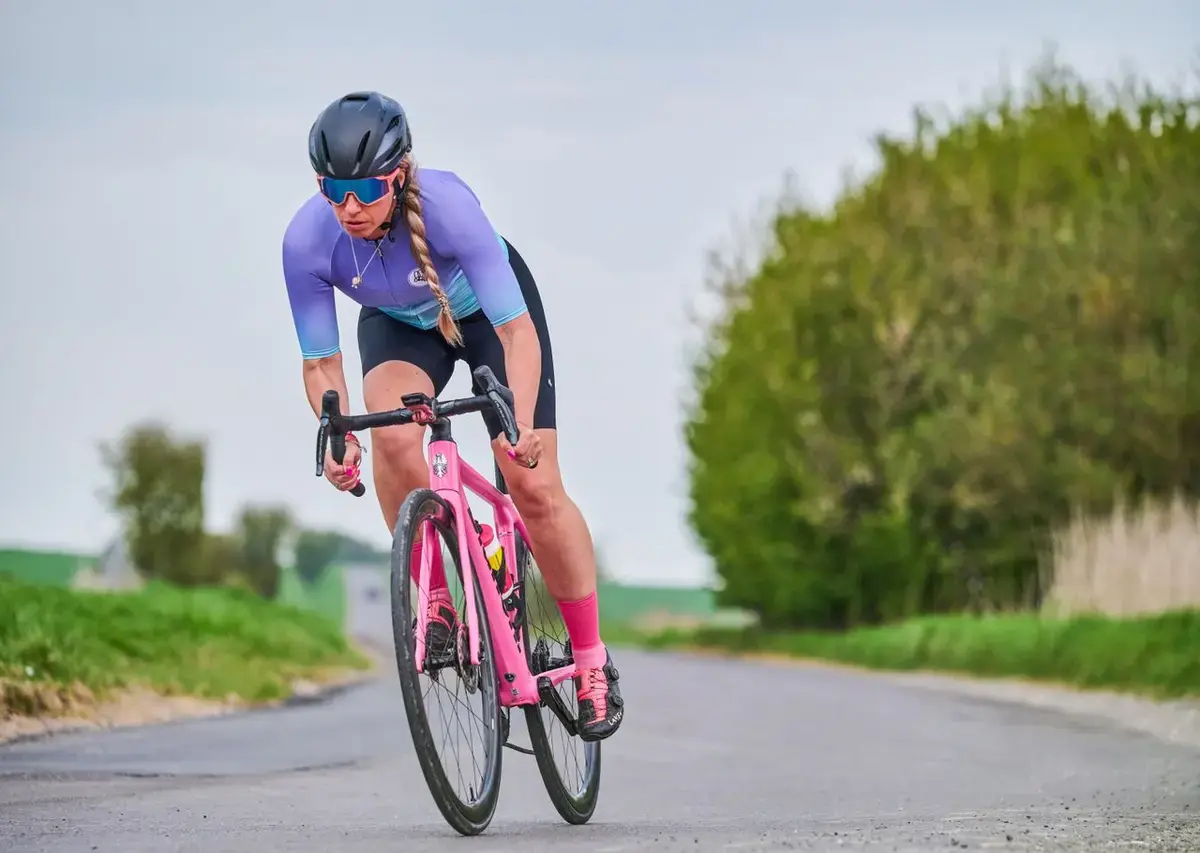
Boost Cycling Performance with Smarter Training
Rethinking Training Volume
Cyclists can achieve better results with fewer hours of training, according to a new approach that prioritizes quality over quantity. This method involves abandoning huge mileage for smarter, lower-volume training. The idea is gaining traction among athletes and coaches.
Latest news
 Travis Erickson: How to Watch NFL Week 6 – Bengals on Bye, Browns Face Ravens
 Former NFL Star Predicts Eagles Will Trade Up for Draft Capital After Jalen Hurts Injury
 Brewers Eye First World Series Trip Since 1982 in Game 4 Clash With Dodgers
 Emmitt Smith Defends Taylor Swift's Presence at Chiefs Games Amid Lip-Reading Debate
The traditional approach to cycling training often emphasizes accumulating high mileage, with the assumption that more hours in the saddle directly translates to improved performance. However, this can lead to burnout, injury, and diminishing returns. In contrast, high-quality training focuses on targeted, intense sessions that maximize physiological adaptation.
By reducing overall training volume and increasing intensity, cyclists can stimulate significant improvements in cardiovascular fitness, muscular endurance, and power output. This is because the body adapts to the demands placed upon it, and high-intensity training provides a stronger stimulus for adaptation than low-intensity, long-duration training. As a result, athletes can achieve greater gains in a shorter amount of time.
Can Less Really Be More?
Proponents of this approach argue that it allows for more focused, efficient training that reduces the risk of overtraining and injury. By incorporating specific, high-intensity workouts into their routine, cyclists can improve their performance without logging excessive mileage. This approach requires careful planning and periodization to ensure that the training stimulus is varied and challenging.
As the cycling community continues to adopt this smarter training approach, athletes can expect to see significant improvements in their performance. By prioritizing quality over quantity, cyclists can achieve their goals more efficiently and effectively.
Frequently Asked Questions
Q: Will reducing training volume lead to a loss of endurance? A: Not necessarily. High-intensity training can improve cardiovascular fitness and increase endurance. Proper periodization is key.
Q: How do I know if I'm doing high-quality training? A: High-quality training involves targeted, intense sessions that challenge your physiology. Consult a coach or experienced athlete to design a tailored training plan.
Q: Can this approach be applied to other sports? A: Yes, the principles of high-quality, low-volume training can be applied to other endurance sports, such as running and triathlon.
Content written by Chris Morgan for live-sports-site.com editorial team, AI-assisted.