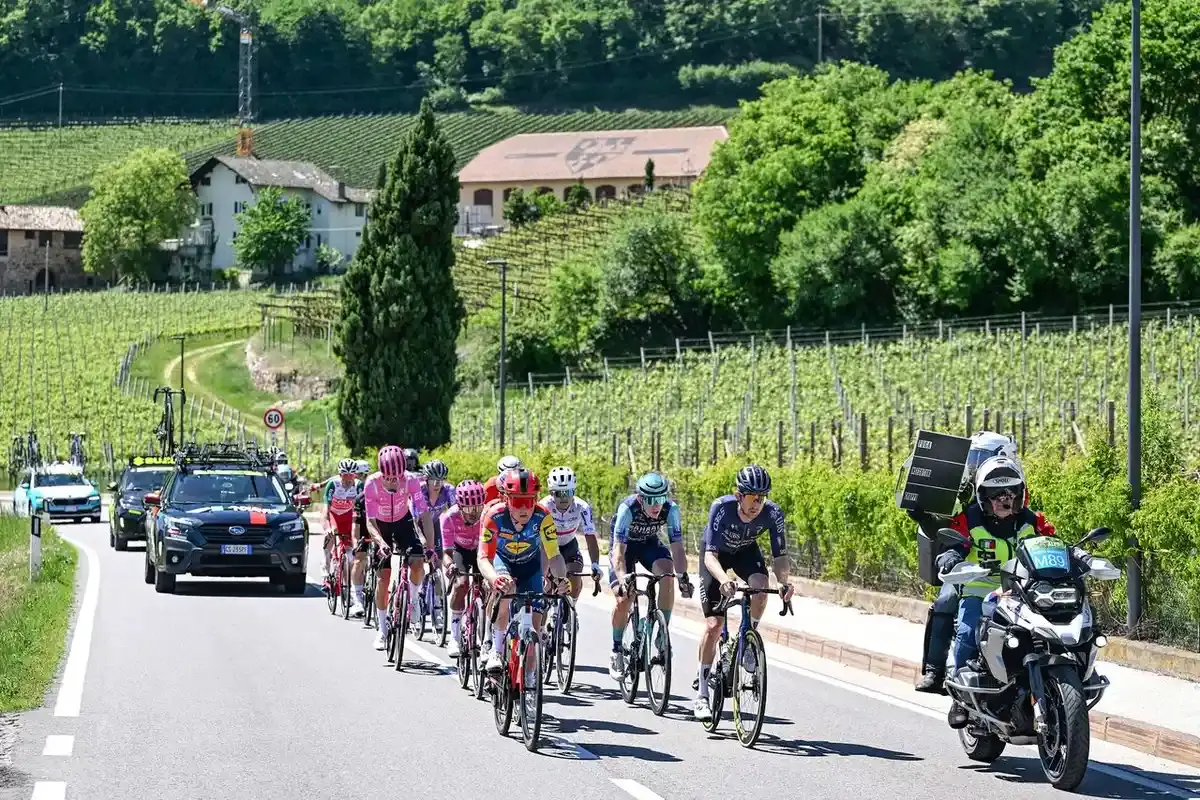
Camera Motorbikes Disrupt Cycling Race Dynamics, Riders Cry Out
Drafting Dilemma: Motorbikes Offer Unseen Speed Boosts
On stage five of the 2024 Tour de France, two‑time champion Jonas Vingegaard was forced to change bikes after a late crash. While rejoining the peloton, he angrily gestured at a television motorbike that lingered too close, demanding it move away. The incident highlighted growing tension over motorbikes that follow the race for live coverage.
Latest news
 Gardner-Webb football suspends head coach after single game
 WNBA YouTuber Criticizes Media for Misattributing Caitlin Clark Record
 Devin Haney Targets Five Fighters After Long Layoff
 2026 Czech Darts Open: Draw, Schedule, Prize Money and Format Explained
The motorbikes, equipped with high‑definition cameras, travel alongside riders to capture every pedal stroke. Their presence creates a slipstream that can boost a cyclist’s speed by up to 5 percent, especially on flat sections. Riders who fall behind often latch onto the bike’s wake to regain contact with the pack, a tactic that blurs the line between legitimate drafting and unfair assistance. Officials argue the bikes are essential for broadcasting, yet many cyclists feel the practice compromises race integrity and safety.
When a rider slips into the aerodynamic pocket behind a motorbike, the reduced air resistance can translate into a few seconds saved over a kilometre. Teams have begun to factor this hidden advantage into their strategies, sometimes positioning domestiques to „catch” the bike’s slipstream before a key attack. Vingegaard’s frustration stemmed from a belief that the motorbike was deliberately slowing his pursuit, forcing him to waste energy fighting wind rather than competitors. „It feels like an extra rider in the race,” he told reporters after the stage. Race directors acknowledge the issue but cite technical constraints: the bikes must stay within a set distance to maintain a clear visual feed, and removing them could diminish the spectacle for millions of viewers.
Should Race Organizers Ban Camera Bikes from the Peloton?
Cycling’s governing body, the UCI, faces mounting pressure to rethink the role of motorbikes. Critics argue that a stricter separation—perhaps limiting bikes to neutral zones or using drones for footage—would restore fairness. Proponents of the current system point to the logistical challenges of covering a race that stretches over 3,000 km and the commercial value of real‑time visuals. A recent survey of 78 professional riders revealed that 62 percent support tighter regulations, while 28 percent believe the benefits to broadcasters outweigh the competitive drawbacks. The debate is likely to influence rule changes for the upcoming season, as organizers weigh the sport’s reputation against media demands.
The controversy may reshape how cycling events are filmed. If stricter limits are imposed, teams will need to adapt tactics that no longer rely on motorbike drafts. Conversely, a decision to keep the status quo could deepen rider resentment and potentially increase safety risks. Stakeholders are watching closely, aware that any shift will affect sponsorship, viewership, and the sport’s core values.
Frequently Asked Questions
Why do motorbikes create a drafting effect? Motorbikes cut through the air, creating a low‑pressure zone behind them. Cyclists entering this zone experience reduced drag, which can increase speed without extra effort.
What alternatives exist for live race coverage? Organizers can deploy aerial drones, stationary cameras on bridges, or attach compact lenses to cyclists’ helmets. Each option balances visual quality with logistical complexity.
Will the UCI introduce new rules after this season? The UCI has announced a review of motorbike placement and distance guidelines. A formal proposal is expected before the next Grand Tour, aiming to address rider concerns while preserving broadcast quality.
Content written by Chris Morgan for live-sports-site.com editorial team, AI-assisted.