Pogačar’s Solo Triumph Reclaims Yellow Jersey as Yates Praises His Unwavering Mindset
The Power of a Solo Attack
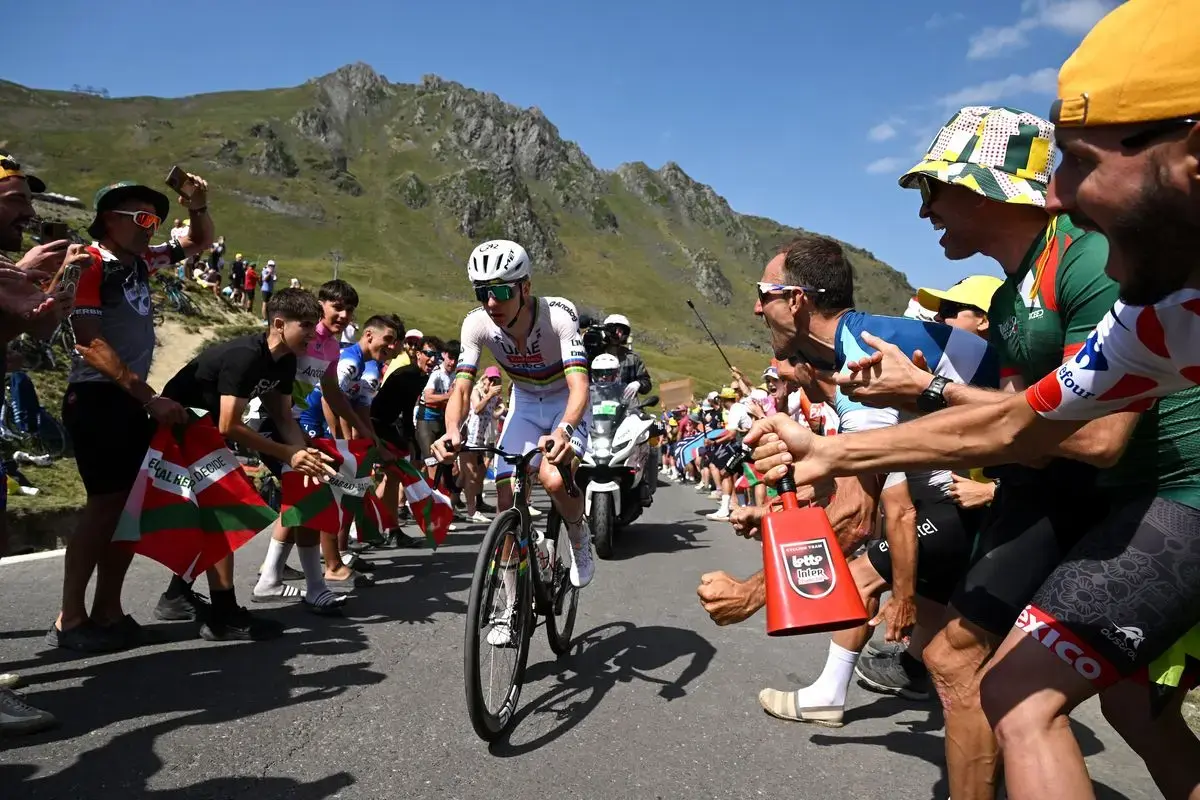
On July 6, 2026, world champion Tadej Pogačar broke away from the peloton on stage six of the Tour de France, finishing ahead of all rivals and regaining the coveted yellow jersey. The dramatic solo effort unfolded in the Alpine region, where the rider’s relentless pace left competitors scrambling.
Latest news
 Travis Erickson: How to Watch NFL Week 6 – Bengals on Bye, Browns Face Ravens
 Former NFL Star Predicts Eagles Will Trade Up for Draft Capital After Jalen Hurts Injury
 Brewers Eye First World Series Trip Since 1982 in Game 4 Clash With Dodgers
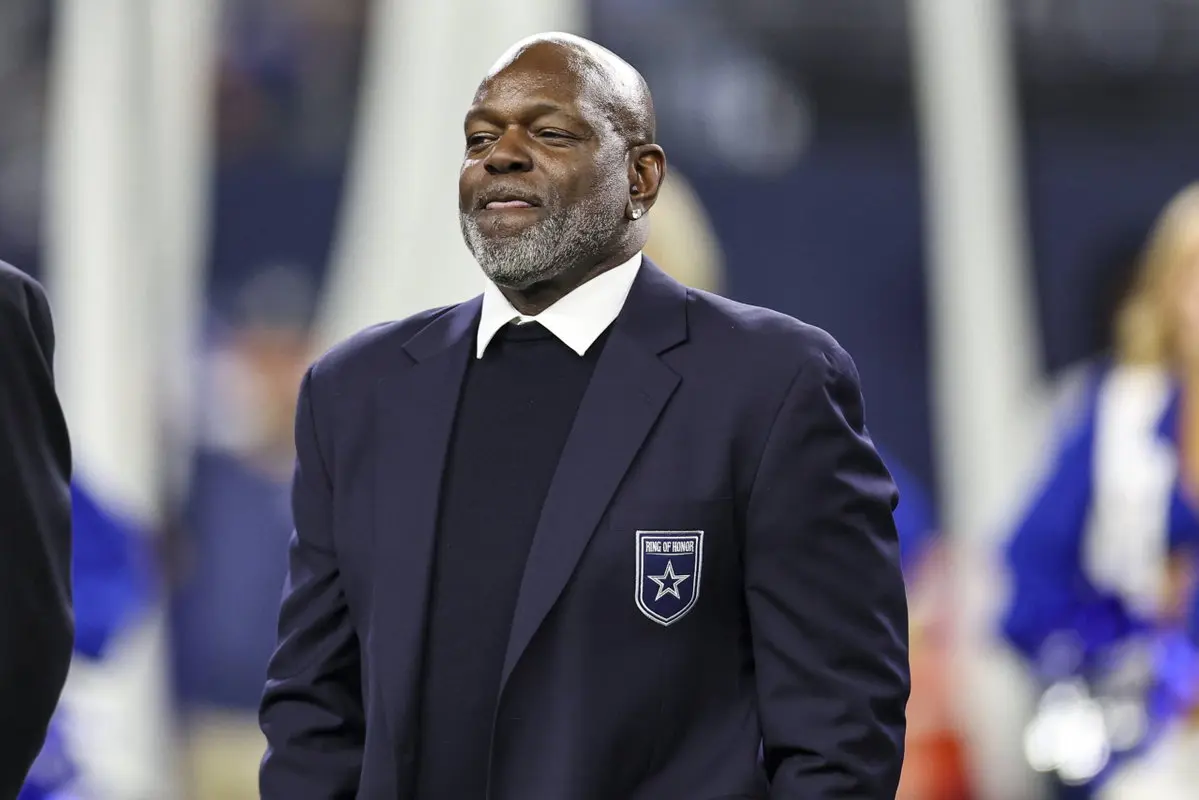 Emmitt Smith Defends Taylor Swift's Presence at Chiefs Games Amid Lip-Reading Debate
Pogačar’s attack came after a tense first week that saw the yellow jersey change hands twice. The Slovenian timed his move on a steep climb, sustaining a gap of over two minutes before the finish. His dominance was underscored by teammate Adam Yates, who said the champion „doesn’t know any different” when it comes to winning. The stage win not only restored Pogačar’s lead but also highlighted his tactical acumen and physical resilience.
Pogačar’s breakaway was meticulously planned. He waited until the middle of the ascent, then surged past a dwindling group of favorites, including Jonas Vingegaard and Primo Zanotti. By the final kilometer, his lead had ballooned to 1 minute 45 seconds. The rider’s time trial skills shone as he maintained a steady rhythm, refusing to look back. „When you watch him, you see a man who lives for these moments,” Yates remarked, adding that Pogačar’s confidence is built on years of success at the highest level.
Can Rivals Close the Gap on Pogačar?
The stage also demonstrated the depth of UAE Team Emirates‑XRG’s support. Lead-out trains positioned the champion perfectly before the climb, and domestiques shielded him from wind resistance. Their coordination allowed Pogačar to conserve energy for the decisive surge. The result was a spectacular finish on the summit, where the crowd erupted as the Slovenian crossed the line solo, reclaiming the race leader’s mantle.
Pogačar’s renewed lead poses a fresh challenge for his competitors. Vingegaard, who finished second on the day, admitted that the time loss will force his team to adopt a more aggressive strategy in the upcoming mountain stages. „We have to be relentless,” he said, acknowledging the need for coordinated attacks. Meanwhile, French favorite Julian Alaphilippe hinted at targeting intermediate sprints to chip away at the deficit, hoping to force Pogačar into a defensive posture.
The race organizers have scheduled several high‑altitude stages in the Pyrenees, where the gaps can widen or shrink dramatically. Analysts suggest that Pogačar’s confidence may translate into a cautious approach, protecting his lead rather than seeking further stage wins. Yet his history of bold moves implies that he will not shy away from opportunities to extend his advantage.
Looking ahead, Pogačar’s solo victory reshapes the Tour’s narrative. With the yellow jersey back on his shoulders, the Slovenian will aim to consolidate his position while his rivals scramble for tactics. The next week promises intense battles, and the outcome will hinge on whether challengers can match Pogačar’s relentless pace and mental fortitude.
Frequently Asked Questions
What distance did Pogačar cover in his solo break? He rode roughly 180 kilometers, maintaining a solo lead for the final 30 kilometers of the stage.
How much time did Pogačar gain on his main rivals? He finished about 1 minute 45 seconds ahead of the second‑placed rider, creating a substantial buffer in the general classification.
Will the yellow jersey change hands again this Tour? While anything can happen in a three‑week race, Pogačar’s form and team support make another change less likely unless a major incident occurs.
Content written by Chris Morgan for live-sports-site.com editorial team, AI-assisted.