Tadej Pogačar Dominates Early Vuelta a España with Unprecedented GC Control
How Pogačar’s Early Aggression Redefines Vuelta Expectations
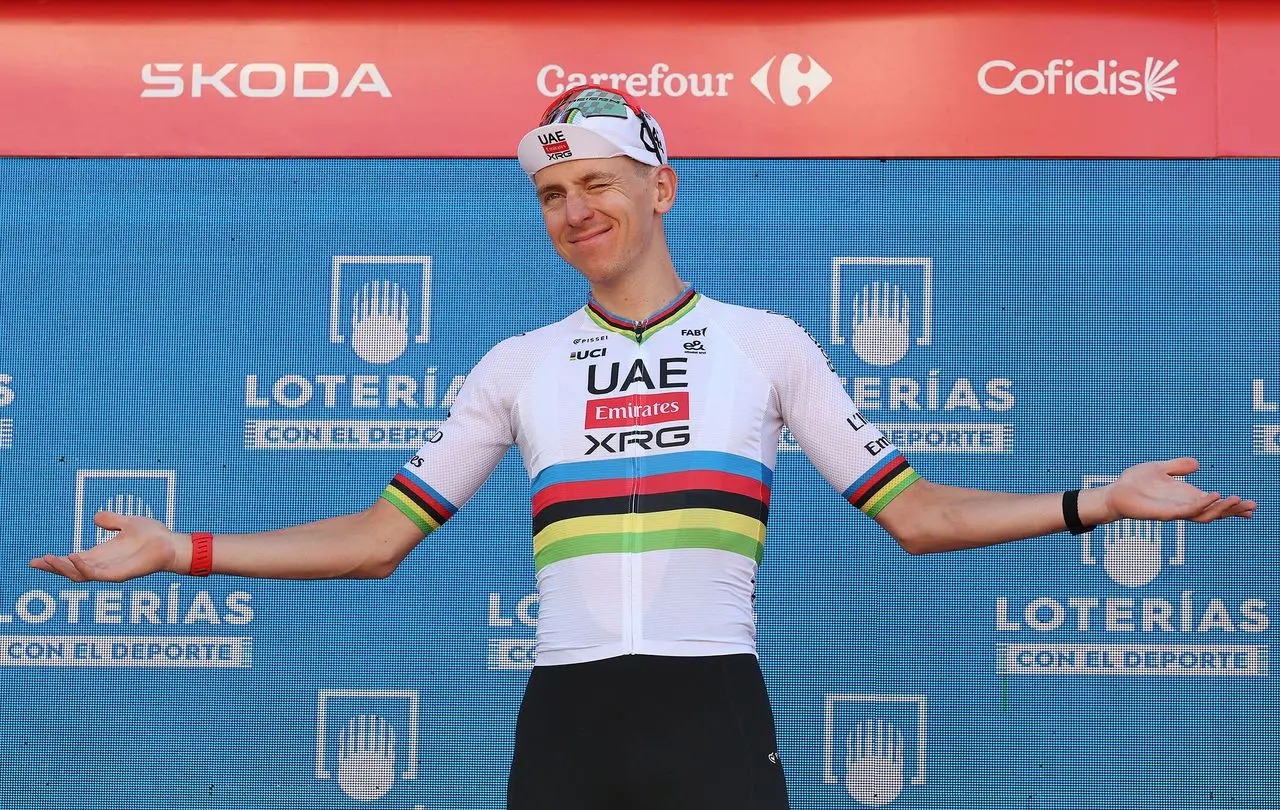
Tadej Pogačar seized control of the Vuelta a España from the opening stage, wearing the red jersey as general classification leader after just three days of racing. The Slovenian star has also claimed the mountains and points classifications, showcasing his all-around dominance early in the three-week Spanish Grand Tour.
Latest news
 Travis Erickson: How to Watch NFL Week 6 – Bengals on Bye, Browns Face Ravens
 Former NFL Star Predicts Eagles Will Trade Up for Draft Capital After Jalen Hurts Injury
 Brewers Eye First World Series Trip Since 1982 in Game 4 Clash With Dodgers
 Emmitt Smith Defends Taylor Swift's Presence at Chiefs Games Amid Lip-Reading Debate
Pogačar’s command stems from two stage victories: a commanding time trial win and a triumph on a grueling mountain finish, complemented by a third-place sprint in a reduced bunch finish. His time trial performance highlighted his precision and power, while the mountain stage win underscored his climbing superiority over rivals. These results have opened a gap of over three minutes on his nearest challenger in the GC standings, a margin rarely seen so early in his ten Grand Tour appearances.
Can Any Rider Challenge Pogačar’s Growing Vuelta Command?
By taking the jerseys in all three secondary classifications alongside the GC lead, Pogačar has replicated a feat rarely achieved in the opening week of a Grand Tour. His ability to win differing stage types—against the clock, uphill, and in a sprint—demonstrates a versatility that unsettles traditional GC contenders who often specialize in one domain. This early sweep forces rivals into reactive strategies, potentially disrupting their planned conservation of energy for later stages. Historically, such multifaceted dominance in the Vuelta’s infancy has preceded overall victory, though the race’s notorious volatility in the final week remains a wildcard.
Despite his lead, Pogačar’s advantage faces tests in the upcoming high-mountain stages and potential crosswinds in the flats, where time losses can accumulate quickly for isolated leaders. His team must balance protecting the red jersey with supporting stage hunters, while rivals may target joint attacks to split his support. The Slovenian’s past resilience in Grand Tours—including comebacks from deficits—suggests he thrives under pressure, yet the Vuelta’s reputation for late-race surprises means no lead is secure until Madrid.
How rare is it to lead GC, mountains, and points classifications simultaneously after three stages? It is exceptionally uncommon, requiring victories across disparate terrains and consistent high placements—only a handful of riders have achieved this in Vuelta history over the past decade.
Frequently Asked Questions
What is the largest early GC lead Pogačar has held in a Grand Tour? While exact historical comparisons vary, a lead exceeding three minutes after three stages ranks among his strongest early performances in ten Grand Tour starts, reflecting his peak form.
Does winning the mountains classification early affect Pogačar’s GC strategy? Securing the polka-dot jersey early reduces pressure to gain mountain points later, allowing him to focus efforts on time gains or defense without needing to chase breakaways for points.
Content written by Alex Turner for live-sports-site.com editorial team, AI-assisted.