
Arsenal Penalty Decision Under Scrutiny
The Nuances of Soft Fouls
A controversial penalty decision involving Arsenal is sparking debate. Former players and analysts are questioning whether video assistant referee (VAR) acted correctly during a recent match. The incident occurred during game play, leading to significant discussion among football experts. The focus is on whether VAR should have overturned the initial call.
Latest news
 Travis Erickson: How to Watch NFL Week 6 – Bengals on Bye, Browns Face Ravens
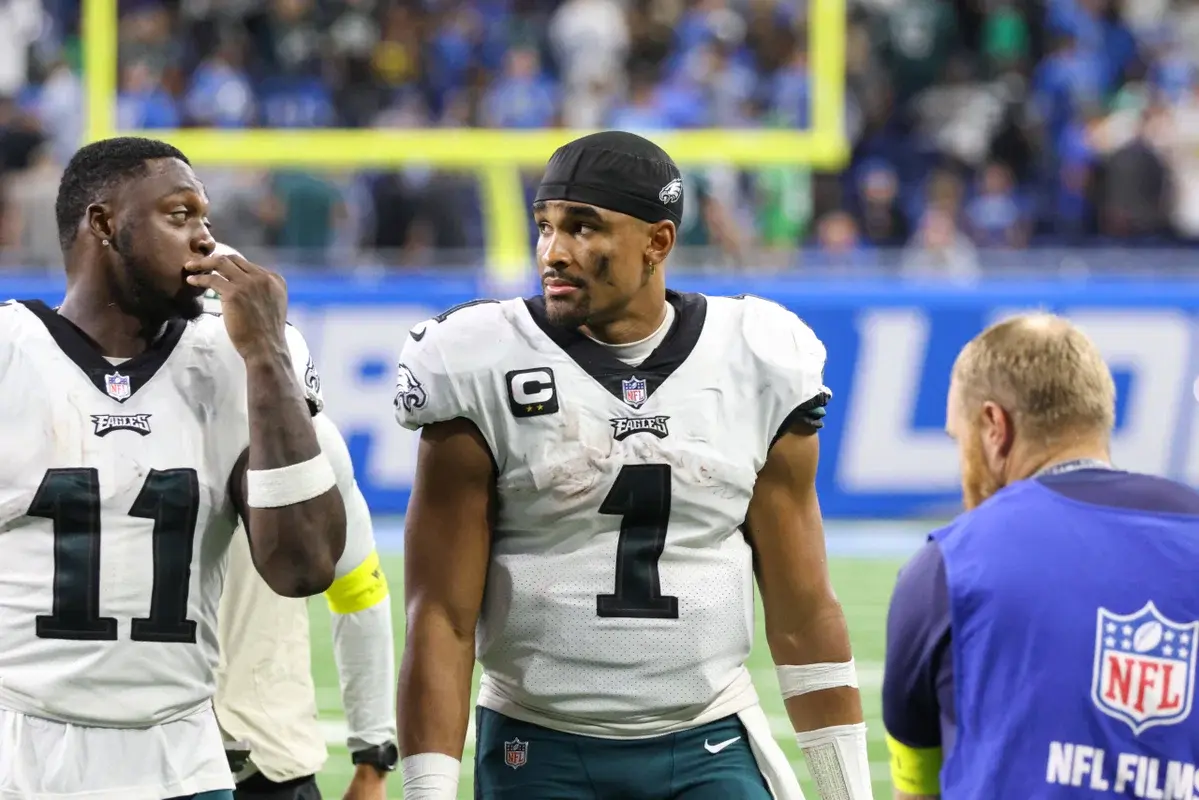 Former NFL Star Predicts Eagles Will Trade Up for Draft Capital After Jalen Hurts Injury
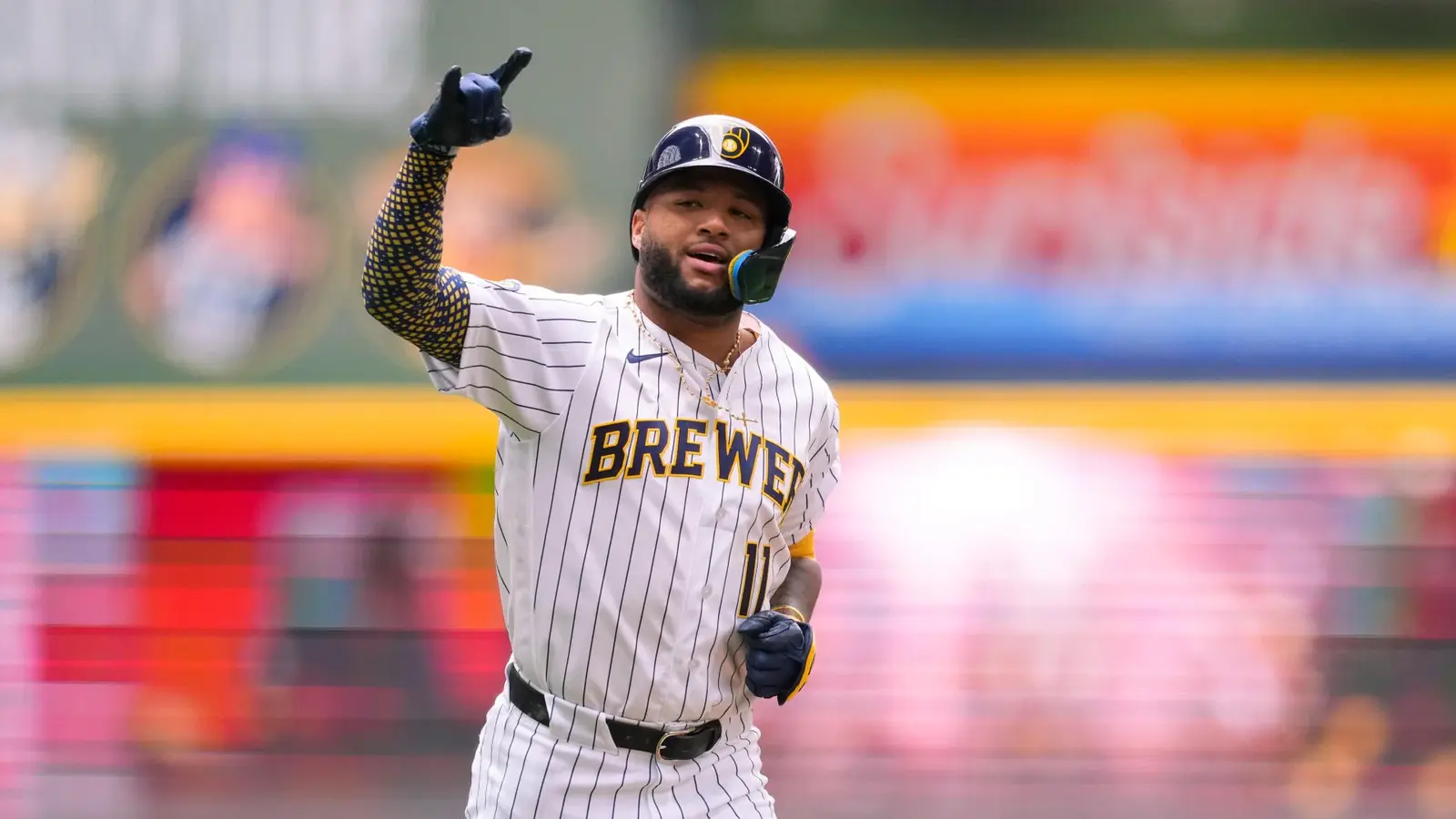 Brewers Eye First World Series Trip Since 1982 in Game 4 Clash With Dodgers
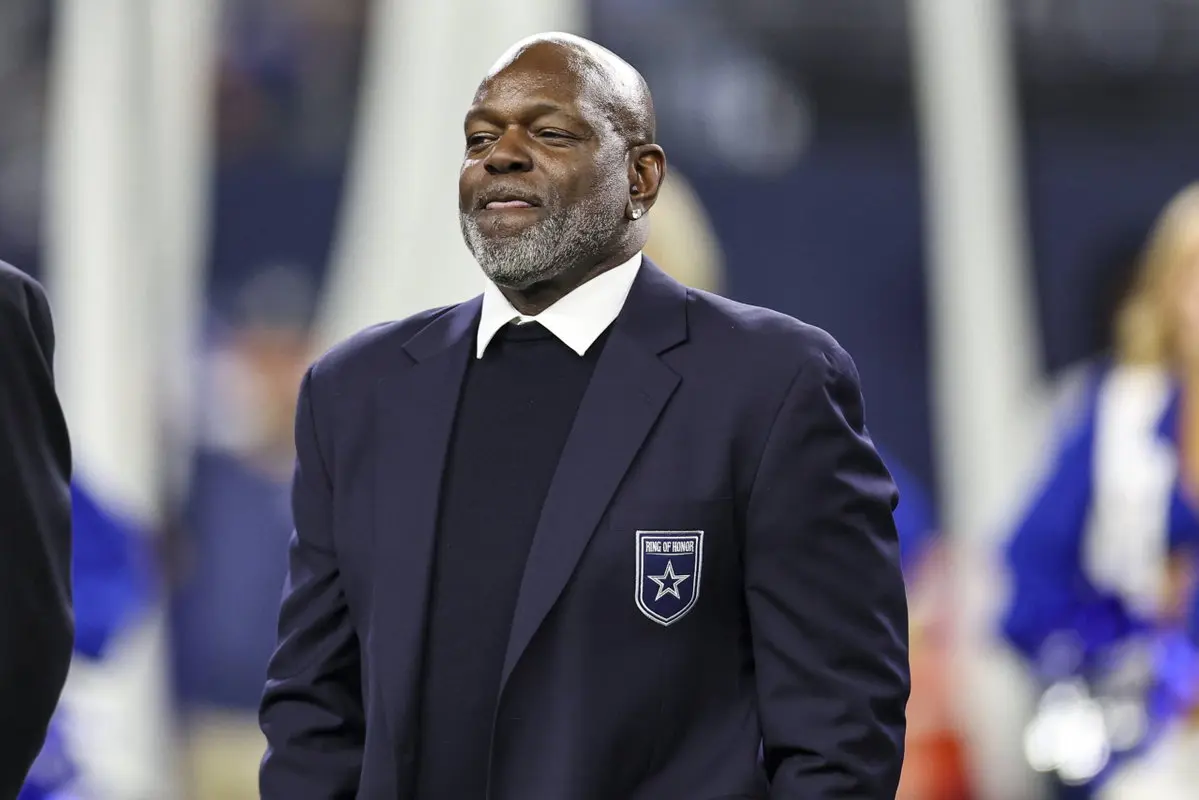 Emmitt Smith Defends Taylor Swift's Presence at Chiefs Games Amid Lip-Reading Debate
The on-field referee awarded a penalty to Arsenal. However, VAR intervened and advised the referee to reverse the decision. This sparked immediate outrage from Arsenal fans and prompted a post-match analysis of the incident. Pundits are now dissecting the footage, frame by frame, to determine if the correct outcome was reached.
Stephen Warnock, a former Premier League defender, believes the original call was justifiable. He argues the defender made contact with the attacker inside the penalty area. Warnock suggests VAR’s intervention sets a dangerous precedent. It implies referees will be hesitant to award penalties for what appear to be legitimate fouls.
Was VAR Overstepping Its Boundaries?
Nedum Onuoha, another ex-professional, offers a different perspective. He contends the contact was minimal and not enough to warrant a penalty. Onuoha feels VAR correctly identified a „soft” foul. He believes allowing such penalties would fundamentally change the nature of the game. Rory Smith, a football journalist, highlights the subjectivity involved. He points out that VAR’s role isn’t to find every foul, but only clear and obvious errors.
The core of the debate revolves around the interpretation of „clear and obvious error.” Many argue that the initial decision wasn't demonstrably wrong. They believe VAR overstepped its boundaries by overruling a judgment call. This raises questions about the consistency of VAR’s application. Fans and analysts are concerned about the increasing influence of VAR on game outcomes.
The incident underscores the challenges of implementing VAR effectively. It’s a system designed to correct blatant mistakes. However, subjective calls continue to be a source of contention. The current guidelines appear open to interpretation. This leads to inconsistent decisions and frustration among players, managers, and supporters.
This decision could lead to increased pressure on referees. They may be less inclined to award penalties, fearing VAR intervention. It also highlights the need for clearer guidelines regarding VAR’s involvement. A more defined scope of review could reduce controversy and improve the overall fairness of the game.
Frequently Asked Questions
What is VAR’s primary function? VAR aims to correct clear and obvious errors made by the on-field referee. It focuses on game-changing decisions, such as goals, penalties, direct red cards, and mistaken identity. VAR doesn’t review every possible incident.
How does VAR impact the referee’s authority? VAR can advise the referee to review a decision on the pitch-side monitor. Ultimately, the referee makes the final call. However, the influence of VAR is undeniable. Referees may feel pressured to defer to VAR’s assessment.
Is there a consensus on VAR’s effectiveness? There is no widespread agreement. Some believe VAR has improved accuracy. Others argue it disrupts the flow of the game and creates more controversy than it solves. The debate continues.
Content written by David Kim for live-sports-site.com editorial team, AI-assisted.