
Clemson Warns LSU That Fielding Former Pros Would Violate Contract Terms
How Does This Affect Player Development Pathways
Clemson University has formally notified Louisiana State University that allowing former professional football players to compete in college games would breach existing contractual agreements between the institutions. The warning comes amid LSU's efforts to secure additional playing eligibility for athletes with prior professional experience, a move Clemson argues violates NCAA regulations and intercollegiate sports contracts. The notification was issued on September 4, 2026, reflecting growing concern among member schools about the integrity of amateur competition.
Latest news
 Travis Erickson: How to Watch NFL Week 6 – Bengals on Bye, Browns Face Ravens
 Former NFL Star Predicts Eagles Will Trade Up for Draft Capital After Jalen Hurts Injury
 Brewers Eye First World Series Trip Since 1982 in Game 4 Clash With Dodgers
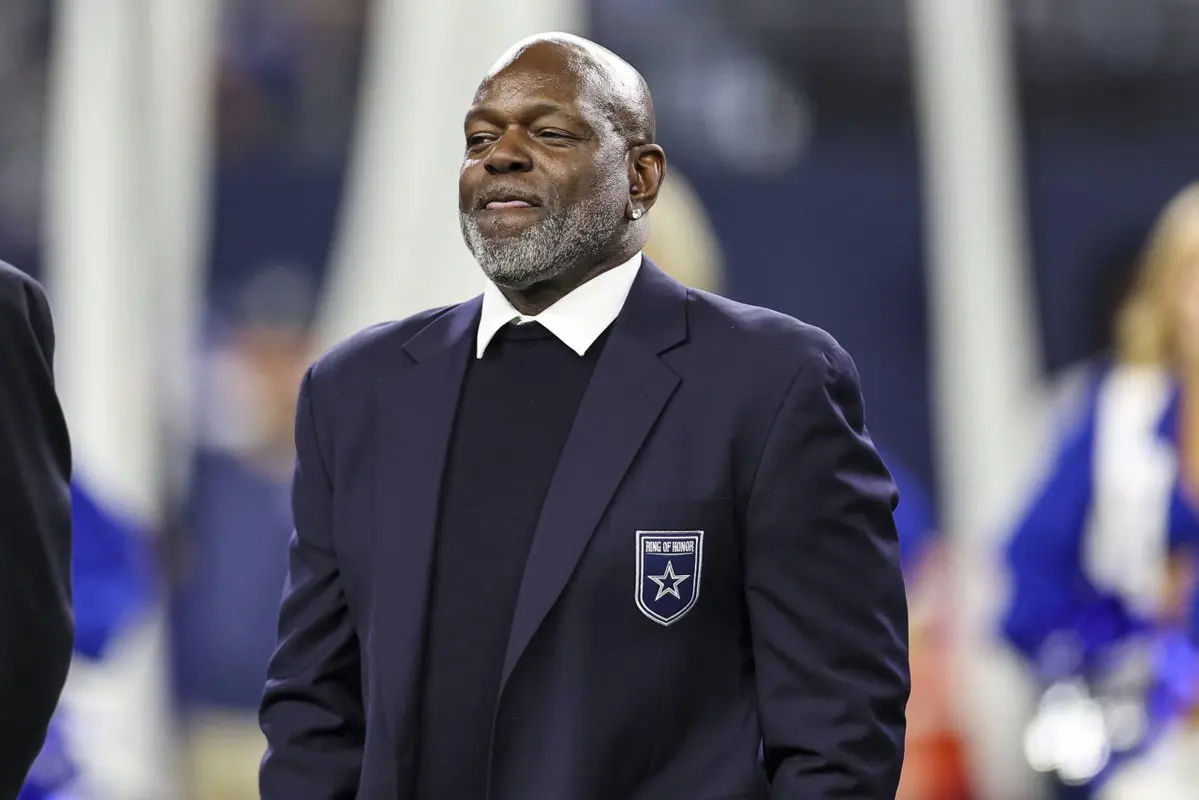 Emmitt Smith Defends Taylor Swift's Presence at Chiefs Games Amid Lip-Reading Debate
LSU's initiative seeks to extend eligibility for players who have participated in professional leagues, aiming to bolster roster depth through experienced athletes. Clemson contends that such actions undermine the foundational principle of collegiate athletics as an amateur endeavor and could trigger sanctions from governing bodies. The Tigers emphasize that all member institutions agreed to standardized eligibility rules upon joining conferences, and unilateral deviations risk fracturing competitive balance. Sources indicate Clemson's notice references specific clauses in the Southeastern Conference participation agreement that prohibit circumvention of amateur status requirements.
What Are the Legal Implications of Non-Compliance
The dispute highlights tension between evolving athlete compensation models and traditional amateurism frameworks. While Name, Image, and Likeness policies have permitted limited commercial opportunities, direct professional participation remains prohibited under current NCAA bylaws. Clemson officials argue that blurring these lines could pressure other schools to follow suit, potentially transforming college football into a de facto minor league. They stress that preserving distinct developmental trajectories for amateur and professional ranks protects student-athlete welfare and educational priorities.
Failure to adhere to contractual obligations could result in financial penalties, forfeiture of games, or exclusion from conference championships and postseason play. Legal experts note that intercollegiate athletic agreements often include liquidated damages clauses for violations affecting competitive fairness. LSU has not publicly responded to the notification, though internal reviews are reportedly underway. The outcome may set precedent for how conferences manage eligibility disputes as professional pathways expand for young athletes.
Is LSU actually planning to field former professional players in upcoming games? LSU has explored options to extend eligibility for athletes with pro experience but has not confirmed plans to activate such players in competitive settings.
Frequently Asked Questions
What specific contract is Clemson referencing in its notice? Clemson points to Southeastern Conference membership agreements that incorporate NCAA eligibility standards and prohibit actions compromising amateur status.
Could this dispute lead to legal action between the schools? While possible, both institutions typically resolve eligibility conflicts through conference governance channels before pursuing litigation.
Content written by Maria Santos for live-sports-site.com editorial team, AI-assisted.