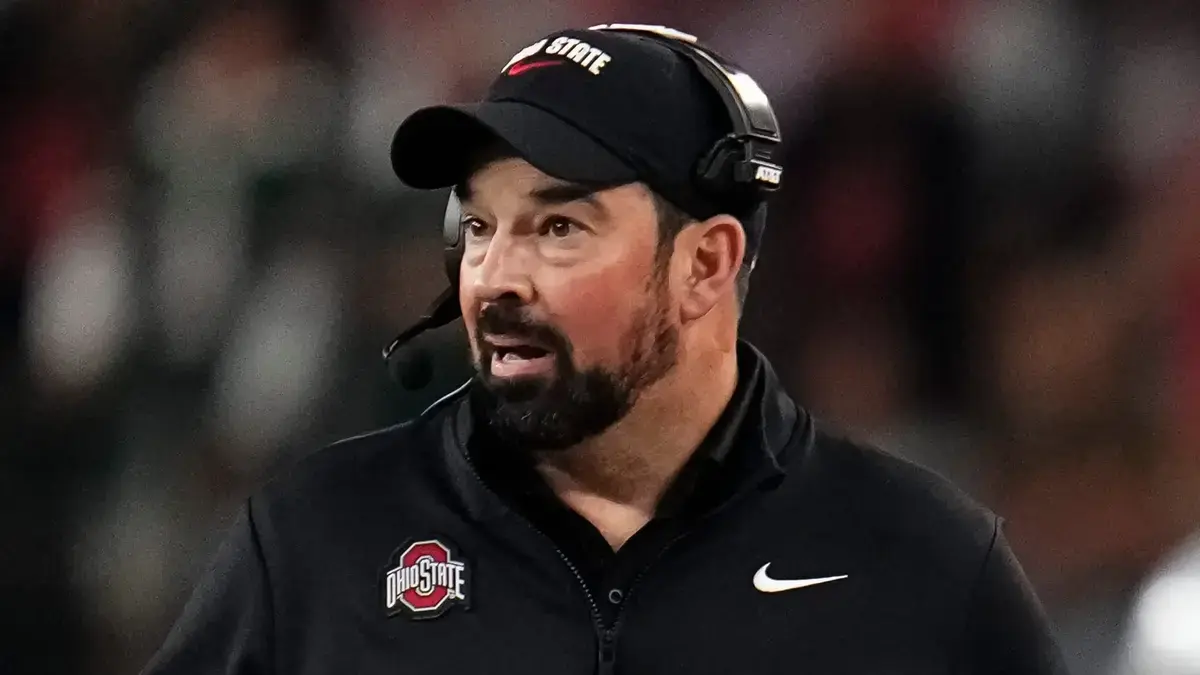
Delaying College Football Rankings Until After Week 1: A Necessary Change
The Case for Waiting: Why Performance Matters More
College football rankings often spark debates, but many argue they should only begin after the first week of games. This perspective highlights the need for a more accurate assessment of team performance once the season is underway. The conversation around this topic has gained traction among coaches and analysts alike.
Latest news
 Travis Erickson: How to Watch NFL Week 6 – Bengals on Bye, Browns Face Ravens
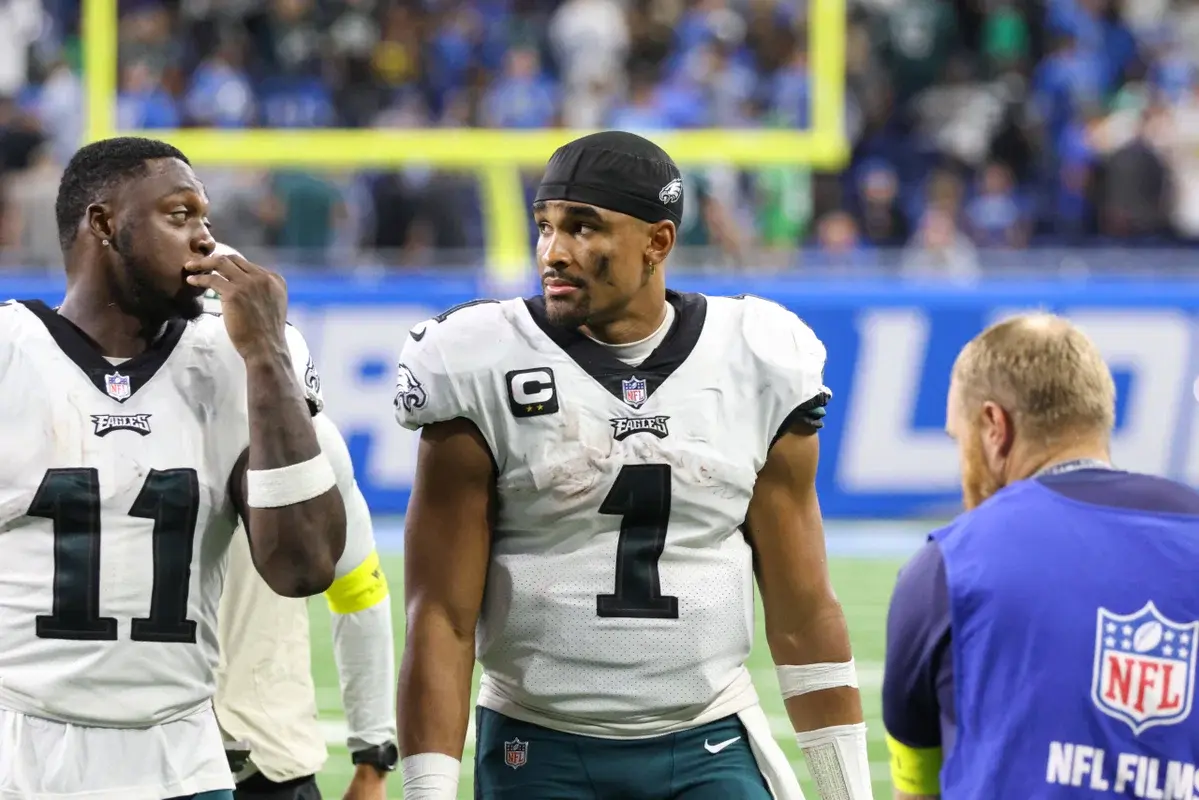 Former NFL Star Predicts Eagles Will Trade Up for Draft Capital After Jalen Hurts Injury
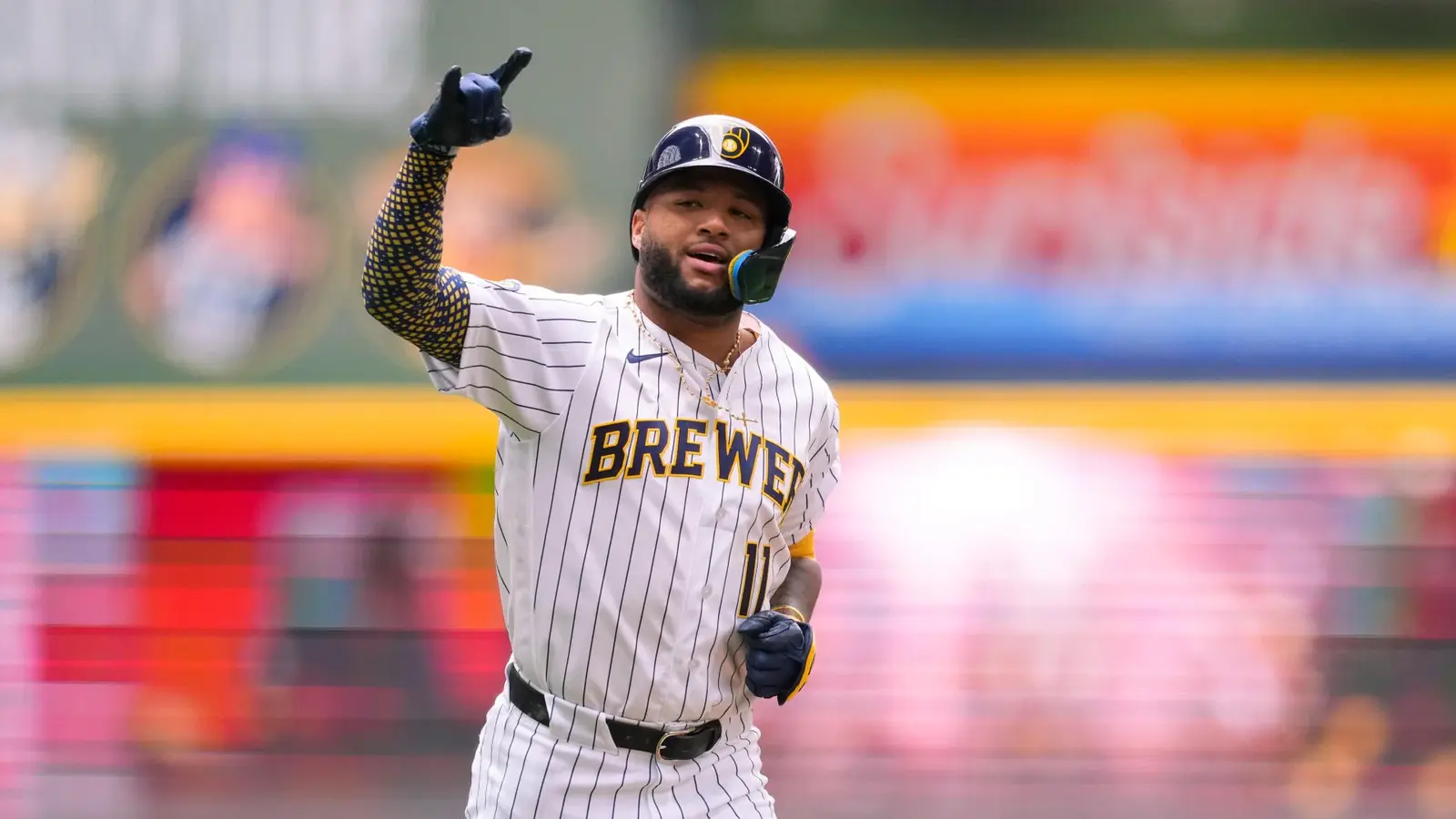 Brewers Eye First World Series Trip Since 1982 in Game 4 Clash With Dodgers
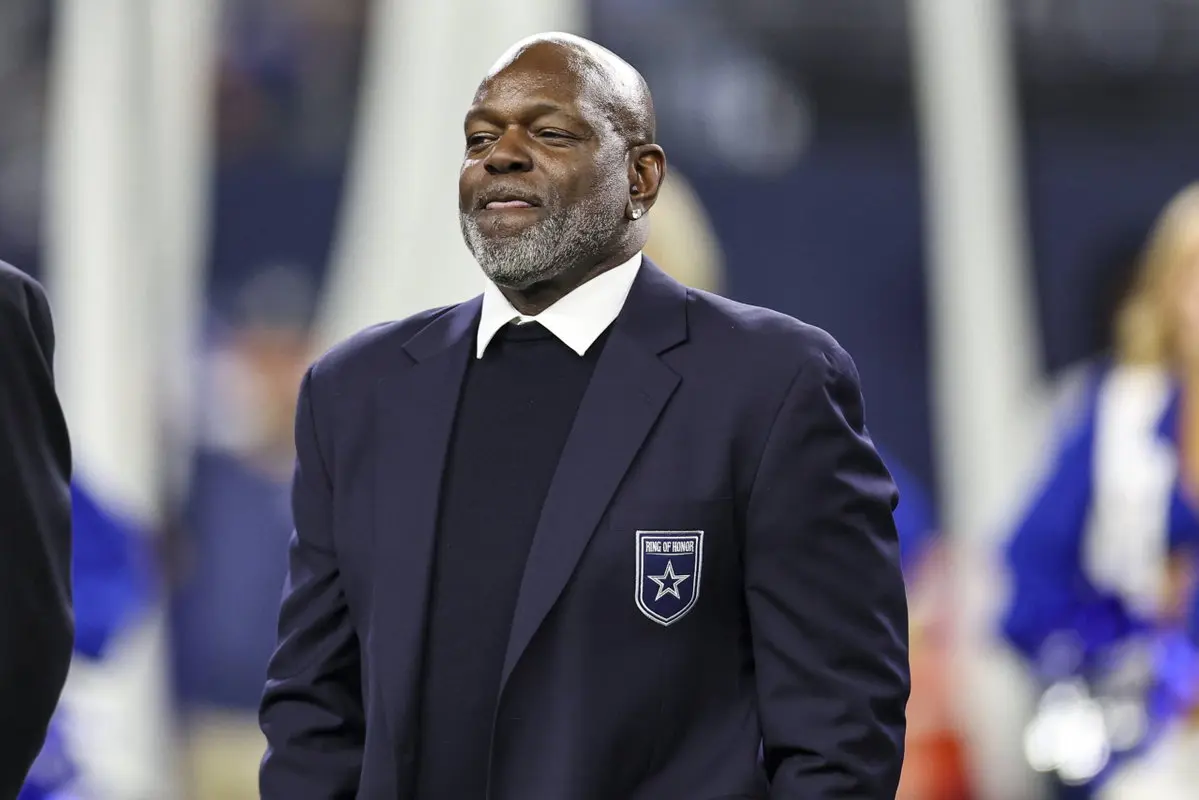 Emmitt Smith Defends Taylor Swift's Presence at Chiefs Games Amid Lip-Reading Debate
Currently, rankings can be based on last season's performance or pre-season expectations, which may not reflect the current state of teams. Coaches like Ohio State's Ryan Day emphasize that actual games provide a clearer picture of team capabilities. Until teams play, rankings remain speculative and can mislead fans and media.
The unpredictability of college football makes early rankings problematic. Teams often undergo significant changes during the off-season, including player transfers and coaching shifts. These factors can dramatically alter a team's trajectory. For instance, a highly-ranked team may struggle against a lower-ranked opponent due to these changes, highlighting the need for real gameplay to inform rankings.
Can Early Rankings Hurt Teams' Chances?
Analysts argue that waiting until after Week 1 allows teams to showcase their abilities on the field. This approach not only creates a more accurate ranking system but also enhances fan engagement. When teams perform, supporters can better understand their strengths and weaknesses, leading to more informed discussions.
Critics of pre-season rankings suggest they can negatively impact teams. A high ranking can create unrealistic expectations, leading to pressure that may affect performance. Conversely, lower-ranked teams may feel underestimated, fueling their motivation to outperform expectations.
The impact of rankings extends beyond mere bragging rights. They influence playoff selections and bowl game invitations, which can affect a program's revenue and recruitment efforts. By delaying rankings, the focus shifts to actual performance rather than pre-season speculation, allowing for a fairer evaluation process.
As college football continues to evolve, the call for a more logical ranking system grows. By postponing rankings until after Week 1, the sport can ensure that assessments are based on real outcomes rather than projections. This shift could lead to a more equitable landscape in college football, benefiting teams, fans, and the overall integrity of the sport.
Frequently Asked Questions
Why should rankings wait until after Week 1? Waiting allows teams to demonstrate their abilities on the field, providing a clearer picture of performance. It reduces speculation based on previous seasons or expectations.
How do early rankings affect teams? Early rankings can create pressure for high-ranked teams and motivate lower-ranked teams. This dynamic can impact performance and overall team morale.
What are the implications of changing the ranking timeline? Delaying rankings could lead to fairer assessments and better engagement among fans. It may also influence playoff selections and recruitment strategies for programs.
Content written by David Kim for live-sports-site.com editorial team, AI-assisted.