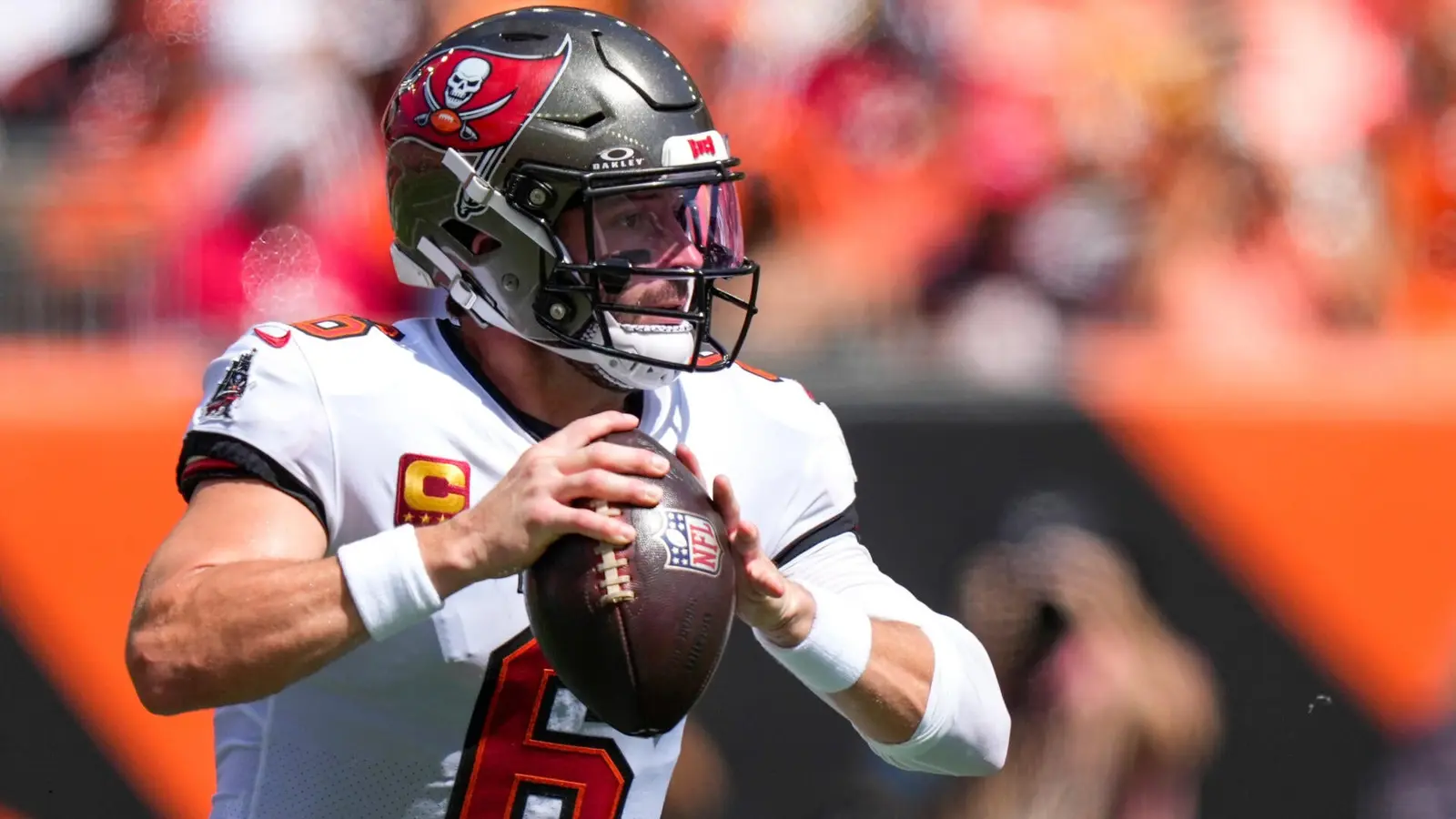
Fantasy Football Week 2: Ignore Panic, Trust Proven Talent
Stability Over Short-Term Noise
Fantasy football managers face a critical decision point as the NFL enters Week 2. Jamey Eisenberg advises owners to resist the urge to panic after the initial game results. The focus shifts to maintaining confidence in established performers rather than reacting impulsively to single-game outcomes. This strategic approach helps stabilize rosters during the volatile early season.
Latest news
 Tennessee’s Bold Decision Pays Off in 24‑14 Victory Over Auburn
 LaNorris Sellers Addresses Backup QB Rumors After Kentucky Loss
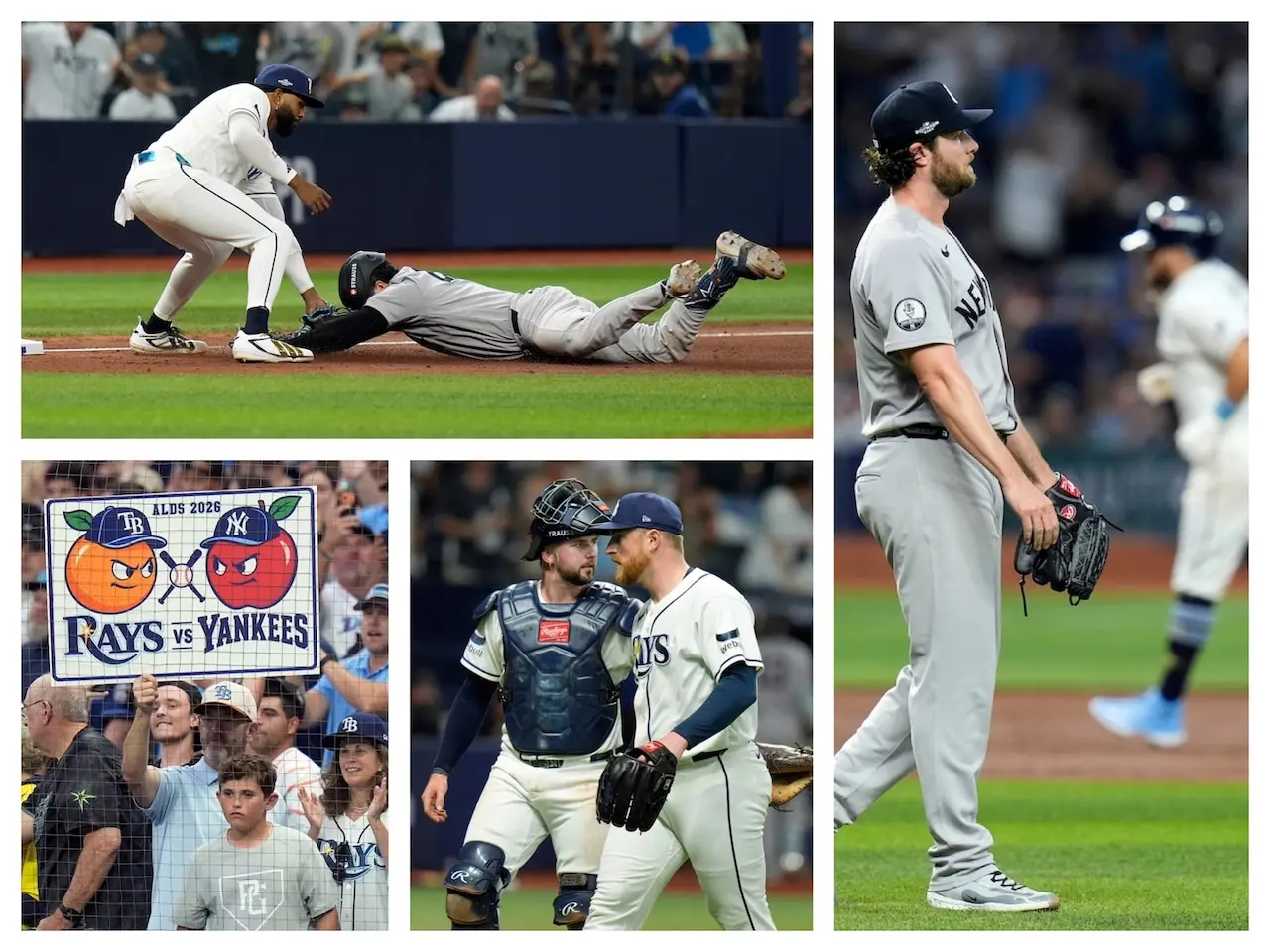 ALDS Game 1 Takeaways: Austin Wells’ Costly Mistake Haunts Yankees
 Revolution in the Rams’ Defense: Mid‑Game Call Change
Week 1 often creates false narratives about player value. Eisenberg emphasizes that one game does not define a season. Managers should avoid overreacting to brief struggles or unexpected highlights. Instead, they must rely on long-term performance metrics. This discipline prevents costly roster moves based on limited data. The key is patience and trust in proven talent.
Specific players warrant continued trust regardless of their Week 1 performance. Ja' Marr Chase remains a top-tier option for fantasy lineups. His talent level suggests he will continue to produce high-value plays. Similarly, Colston Loveland offers reliable receiving numbers. Jaylen Waddle also stands out as a consistent asset. These players have demonstrated the ability to perform at a high level. As long as they remain healthy, their production should not fluctuate dramatically.
Should Managers Trust or React?
Injuries, however, present a different challenge. While talent is stable, physical availability is not. Eisenberg notes that injury concerns create real uncertainty. Managers must monitor team news closely. A healthy roster allows for predictable fantasy output. Conversely, an injury can derail a season quickly. Therefore, the balance between trusting talent and managing health risks is crucial. Owners should prepare backup plans for their star players.
The psychological aspect of fantasy football cannot be ignored. Panic selling often leads to poor decisions. Managers who stay calm are better positioned to succeed. They can identify true value in the waiver wire. They can also make informed lineup choices for upcoming weeks. The early season is a test of emotional control. Those who master this aspect gain a competitive edge. It is about managing expectations rather than chasing perfection.
The core question for Week 2 is whether to trust or react. Eisenberg’s advice leans heavily toward trust. He urges managers to look beyond the immediate results. The sample size of one game is too small for judgment. Historical performance provides a better guide. Future projections should be based on skill and role, not luck. This methodical approach reduces stress and improves outcomes. It aligns with the long-term goal of championship contention.
Managers should review their rosters with a clear head. Identify players who are underperforming due to bad luck. Separate them from those facing genuine skill issues. Make changes only when necessary. Keep core players who have a track record of success. This strategy minimizes regret and maximizes potential. The season is long, and early hiccups are common.
Frequently Asked Questions
Why should managers avoid panic after Week 1? One game provides an insufficient sample size to judge a player's true ability. Overreacting to short-term results often leads to poor roster decisions.
Which players does Eisenberg recommend keeping? Ja' Marr Chase, Colston Loveland, and Jaylen Waddle are highlighted as reliable options. Their consistent talent levels suggest they will continue to perform well if healthy.
How do injuries affect fantasy strategy? Injuries create uncertainty that talent alone cannot solve. Managers must monitor health status closely to adjust lineups and manage risk effectively.
Content written by Jamey Eisenberg for live-sports-site.com editorial team, AI-assisted.