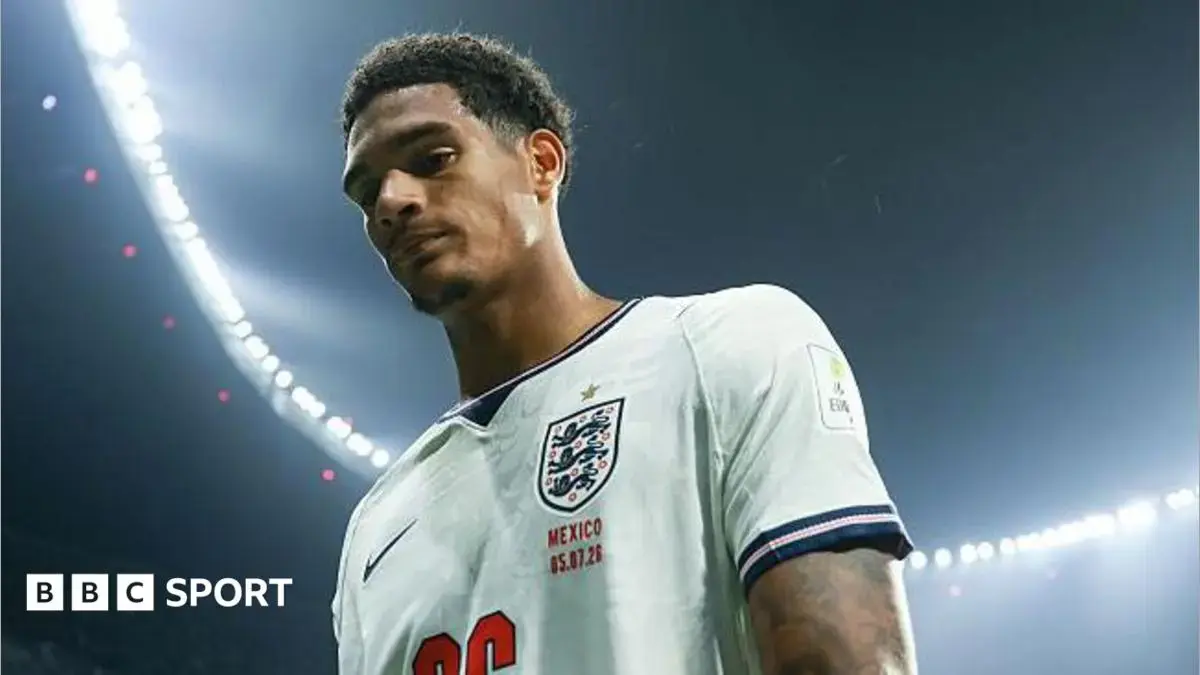
FIFA Disciplinary Chief Declines to Discuss Balogun Ban Decision with BBC
Why the Silence Matters
The head of FIFA’s disciplinary committee, Alejandro Arias, refused to answer a series of BBC questions on Thursday about the process that cleared United States striker Folarin Balogun from a two‑match suspension after a red card against Bosnia‑Herzegovina. The incident occurred during a World Cup qualifier in March, and the decision sparked immediate controversy among fans and officials.
Latest news
 Travis Erickson: How to Watch NFL Week 6 – Bengals on Bye, Browns Face Ravens
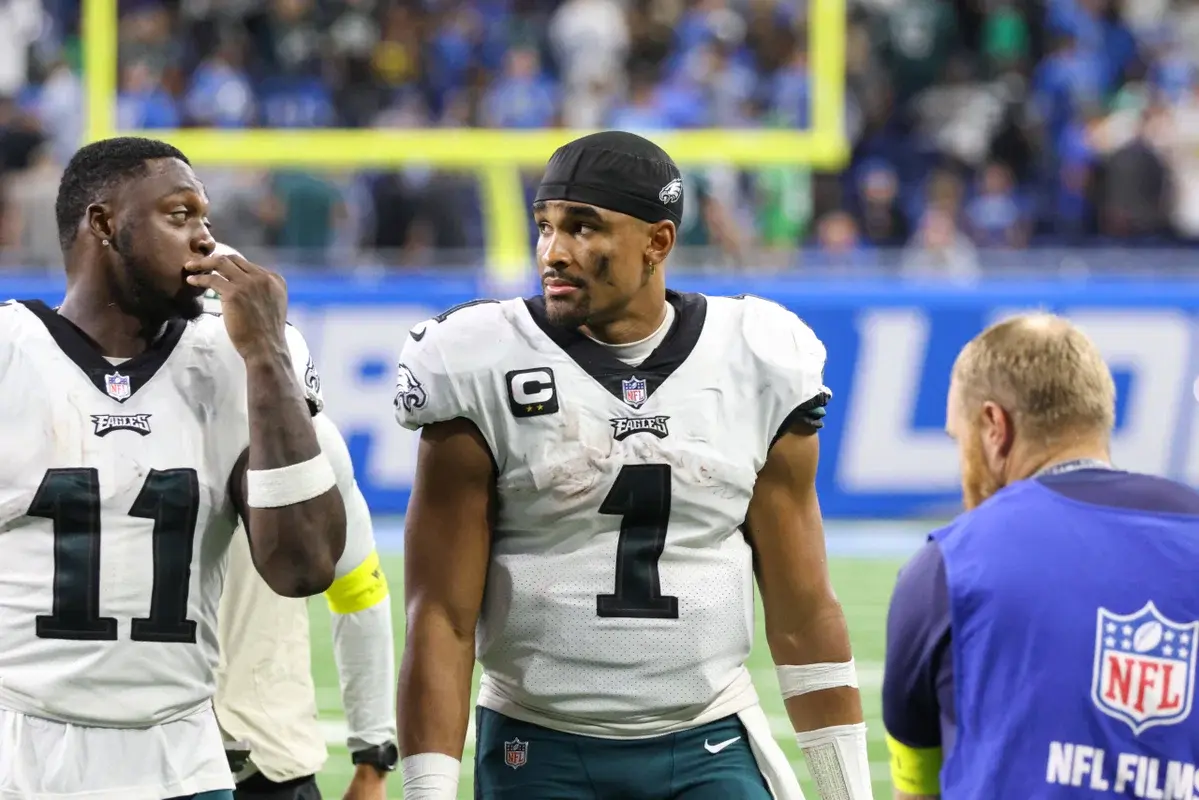 Former NFL Star Predicts Eagles Will Trade Up for Draft Capital After Jalen Hurts Injury
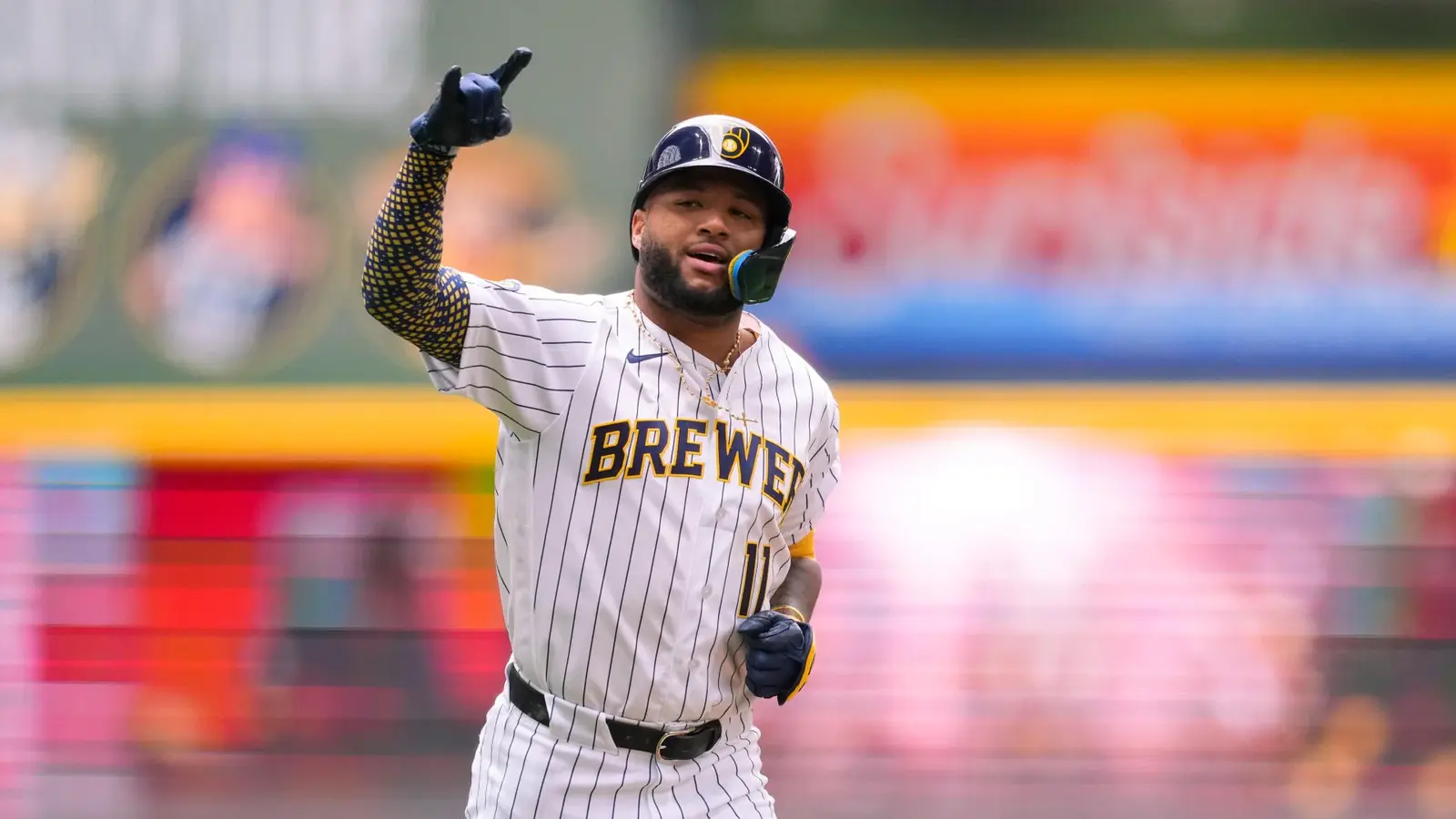 Brewers Eye First World Series Trip Since 1982 in Game 4 Clash With Dodgers
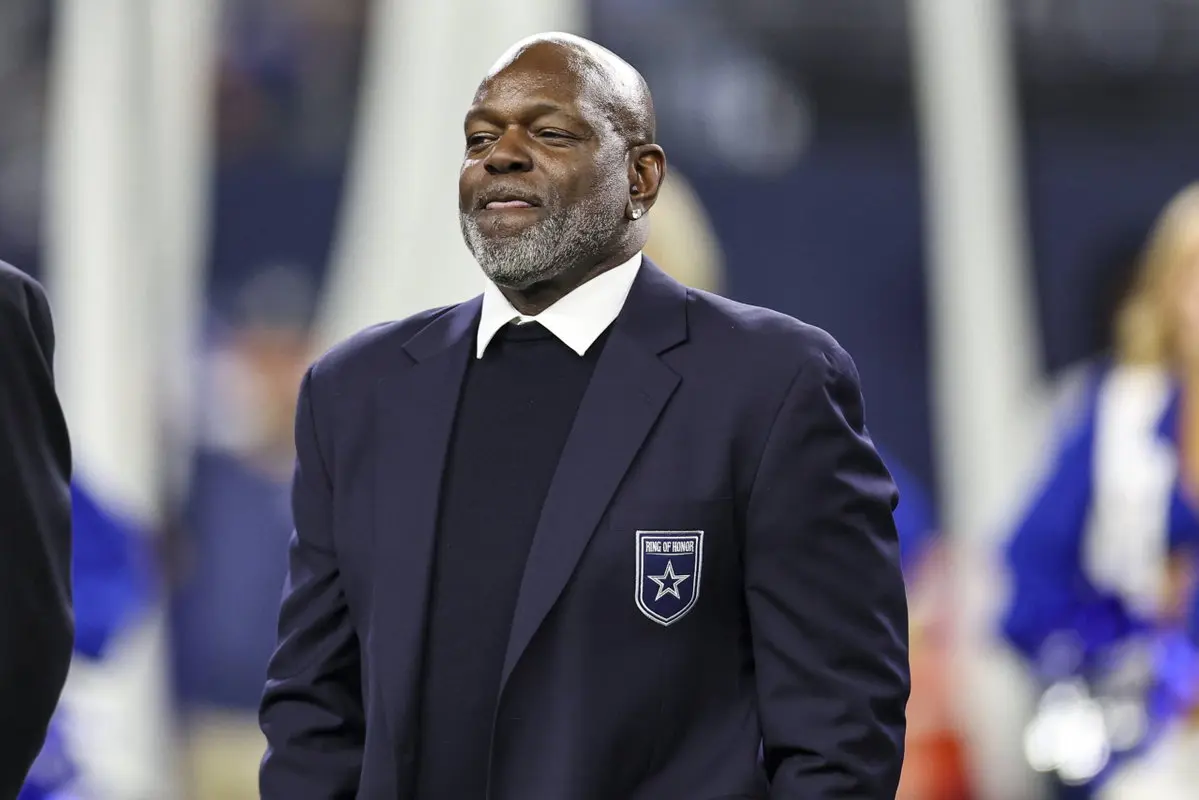 Emmitt Smith Defends Taylor Swift's Presence at Chiefs Games Amid Lip-Reading Debate
Balogun, 25, was sent off for what the referee described as „serious foul play.” Standard regulations call for a minimum two‑game ban in such cases. However, FIFA’s disciplinary panel announced that no suspension would be imposed, citing „mitigating circumstances” without providing further detail. The BBC sought clarification on the criteria used, but Arias declined, stating the matter was „closed” and that he would not comment on internal deliberations.
Arias’s refusal fuels suspicion that the disciplinary process lacks transparency. Critics argue that without clear explanations, the panel’s decisions appear arbitrary. „When a high‑profile player avoids a sanction, the governing body must show why,” said former referee Marco López. The lack of a public rationale undermines confidence in FIFA’s ability to enforce its own rules consistently.
Did FIFA Bend the Rules for a Star Player?
The incident also highlights the broader issue of selective enforcement. Other players have faced strict penalties for similar offenses, prompting calls for a uniform standard. FIFA’s disciplinary code emphasizes fairness, yet the Balogun case suggests possible preferential treatment. Observers note that the absence of a ban could set a precedent for future leniency toward star athletes.
The question of whether FIFA altered its guidelines to protect Balogun remains unanswered. Some insiders claim that commercial interests, such as the player’s marketability and the United States’ growing fan base, may have influenced the decision. „There is pressure to keep marquee names on the field,” admitted an anonymous federation official. Nonetheless, without official commentary, the speculation cannot be confirmed.
Supporters of the striker argue that the foul was borderline and that the decision reflects a nuanced interpretation of the incident. They point to video analysis showing the contact as possibly accidental. Yet opponents counter that the rulebook leaves little room for discretion in cases of „serious foul play,” and that the sanction should have been automatic.
The episode may prompt a review of FIFA’s disciplinary procedures. Stakeholders are urging the organization to publish clearer guidelines and to establish an independent review mechanism. If the governing body fails to address transparency concerns, it risks further erosion of trust among national associations, players, and fans worldwide.
Frequently Asked Questions
What was the original punishment recommended for Balogun? The referee’s report recommended a two‑match suspension, consistent with FIFA’s rulebook for serious foul play.
Why did FIFA decide not to impose the ban? The panel cited „mitigating circumstances,” but did not disclose the specific factors that led to the exemption.
Can the decision be appealed? Under current FIFA regulations, the disciplinary committee’s ruling is final, and no formal appeal process exists for such cases.
Content written by Alex Turner for live-sports-site.com editorial team, AI-assisted.