
FIFA faces sharp criticism for its inconsistent disciplinary approach regarding player compensation. The governing body allowed the Argentine Football Association to retain a substantial financial bonus. This decision occurred while individual players were penalized for similar actions. Journalist Henry Winter highlighted this disparity in recent commentary. He argued that the treatment of the national team was significantly softer than that of the athletes. The incident centers on a specific payout related to World Cup performance
Institutional Leniency Versus Personal Punishment
The controversy stems from a $33 million payment made to the Argentine association. This sum was linked to their success in international competition. However, individual players who received bonuses faced stricter scrutiny. FIFA’s disciplinary committee imposed penalties on these athletes. They were found to have violated regulations concerning prize money distribution. The contrast between the institutional leniency and personal punishment has drawn widespread attention. Critics see a clear double standard in how the rules are applied.
Latest news
 Jacob Misiorowski Brews Record-Setting Pace for Milwaukee Brewers
 NFL Power Rankings: Team Standings Shift After Roster Deadlines
 Exclusive: Roger Federer’s Lesser-Known Past As Ball Boy Moves Mary Carillo at Hall of Fame Ceremony
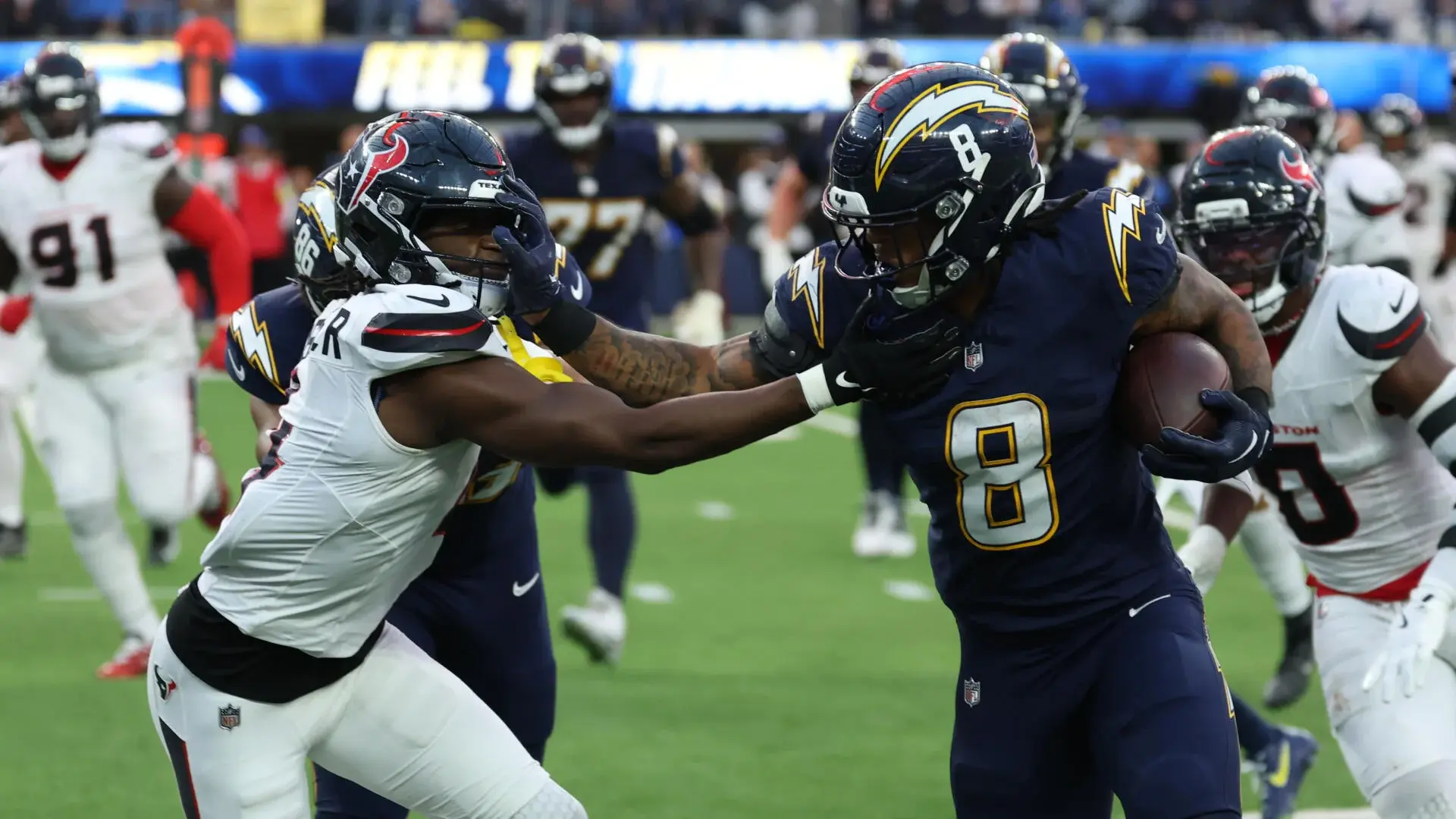 Fantasy football rankings 2026: Model that predicted McMillan's breakout reveals top rookies to target
Henry Winter questioned why the governing body showed such relative leniency toward the association. He noted that the organization kept the majority of the funds without severe censure. Meanwhile, the players who actually earned the bonus on the pitch faced formal sanctions. This creates a confusing precedent for future tournaments. National federations may feel emboldened to keep larger shares of prize money. Players, however, must remain cautious about accepting direct payments. The inconsistency undermines the credibility of FIFA’s regulatory framework. It suggests that institutions hold more power than individuals in the football hierarchy.
Does This Precedent Change Future Rules?
The core issue involves the allocation of World Cup bonuses. FIFA rules dictate how associations can distribute earnings from major tournaments. Argentina’s federation chose to retain a significant portion of the $33 million. Individual players then negotiated separate deals or accepted bonuses directly. When these personal payments came under review, FIFA acted swiftly. The players were punished for what the association had been allowed to do. This gap in enforcement raises questions about fairness. It forces athletes to navigate complex legal and contractual landscapes. The governing body’s failure to align its standards is now a focal point of debate.
The outcome of this case will likely influence future negotiations. National teams may argue for greater autonomy in handling prize money. If associations can keep large sums, they might offer better deals to stars. This could shift the balance of power within football. Players’ unions may push for clearer guidelines to protect their interests. FIFA may need to clarify its stance to avoid further disputes. The current ambiguity leaves room for interpretation and potential conflict. Stakeholders are watching closely to see if the rules are tightened. A definitive ruling could set a new standard for international football finance.
The immediate consequence is a fractured relationship between FIFA and player representatives. Trust in the disciplinary process has taken a hit. Future cases involving other nations may cite this precedent. Associations will look to replicate Argentina’s strategy. Players will demand stronger protections before accepting bonuses. The football world awaits a clearer framework from the governing body. Until then, the tension between institutional rights and individual entitlements remains unresolved. This episode serves as a wake-up call for all parties involved in global football governance.
Frequently Asked Questions
How much did the Argentine association retain? The Argentine Football Association kept a total of $33 million. This amount was part of the broader World Cup bonus structure. The funds were distributed according to internal association policies.
Why were players punished separately? Players faced penalties because they accepted direct bonuses. FIFA viewed these personal payments as distinct from the association's retained funds. The disciplinary committee applied different standards to individual contracts.
Content written by David Kim for live-sports-site.com editorial team, AI-assisted.