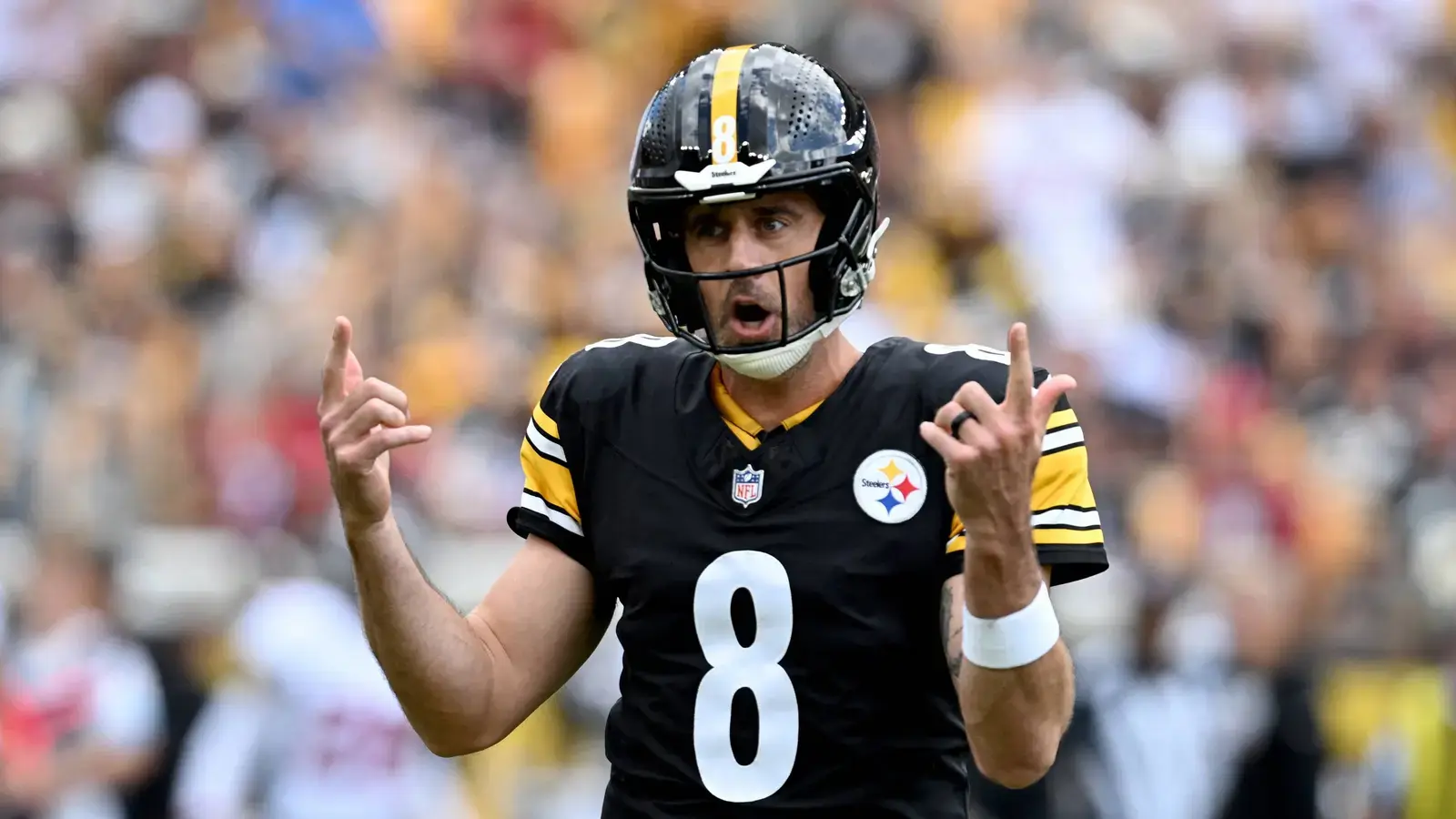
Half the NFL sits at 1-1 after Week 2
Diverging Paths for Mid-Tier Franchises
With two games played, exactly half of the National Football League teams hold a 1-1 record. This creates a distinct fork in the road for these franchises. Analysts are now predicting which squads will rise to the top and which will slide into mediocrity. The early season split offers a clear starting point for evaluating future performance.
Latest news
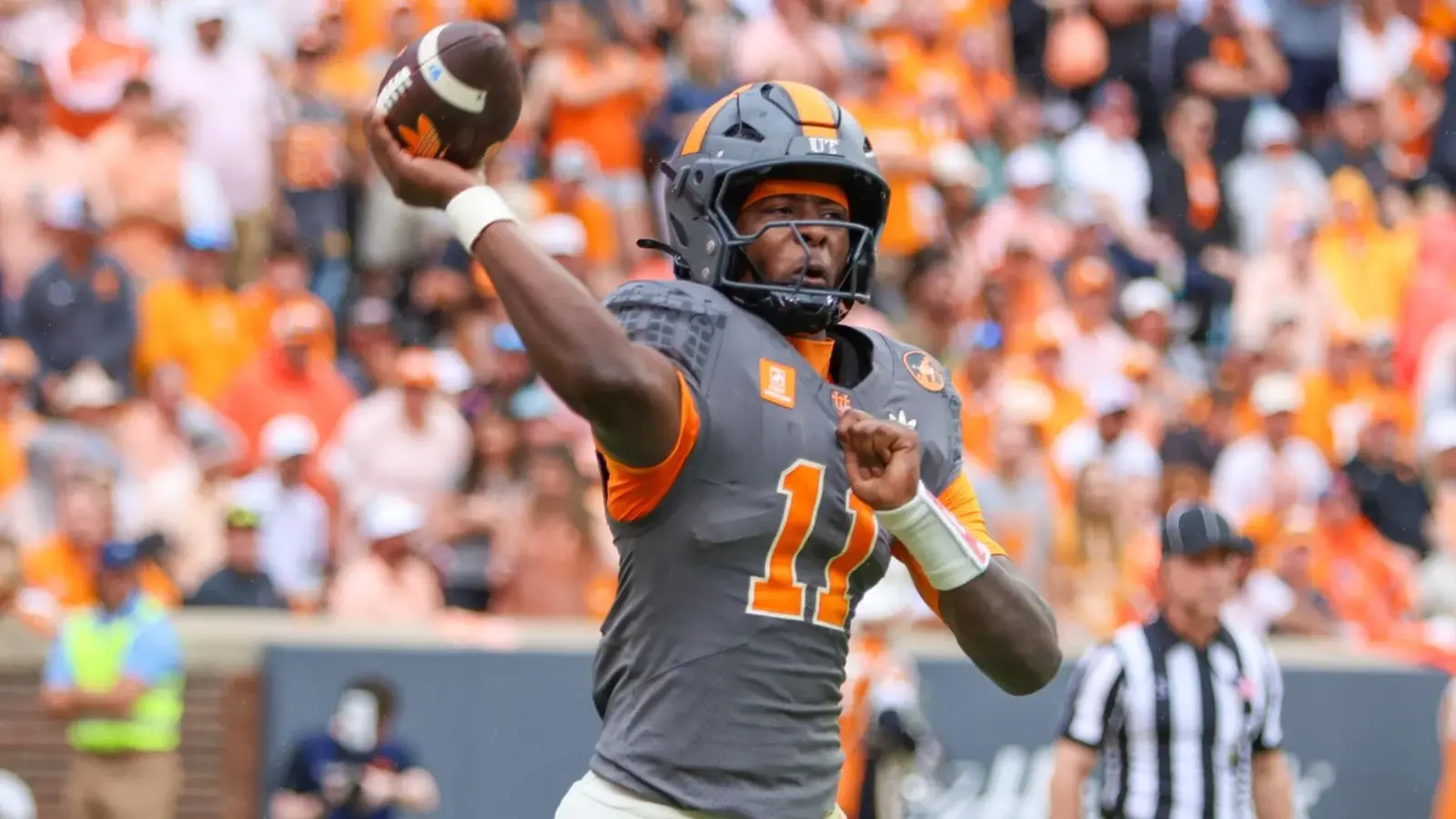 Tennessee’s Bold Decision Pays Off in 24‑14 Victory Over Auburn
 LaNorris Sellers Addresses Backup QB Rumors After Kentucky Loss
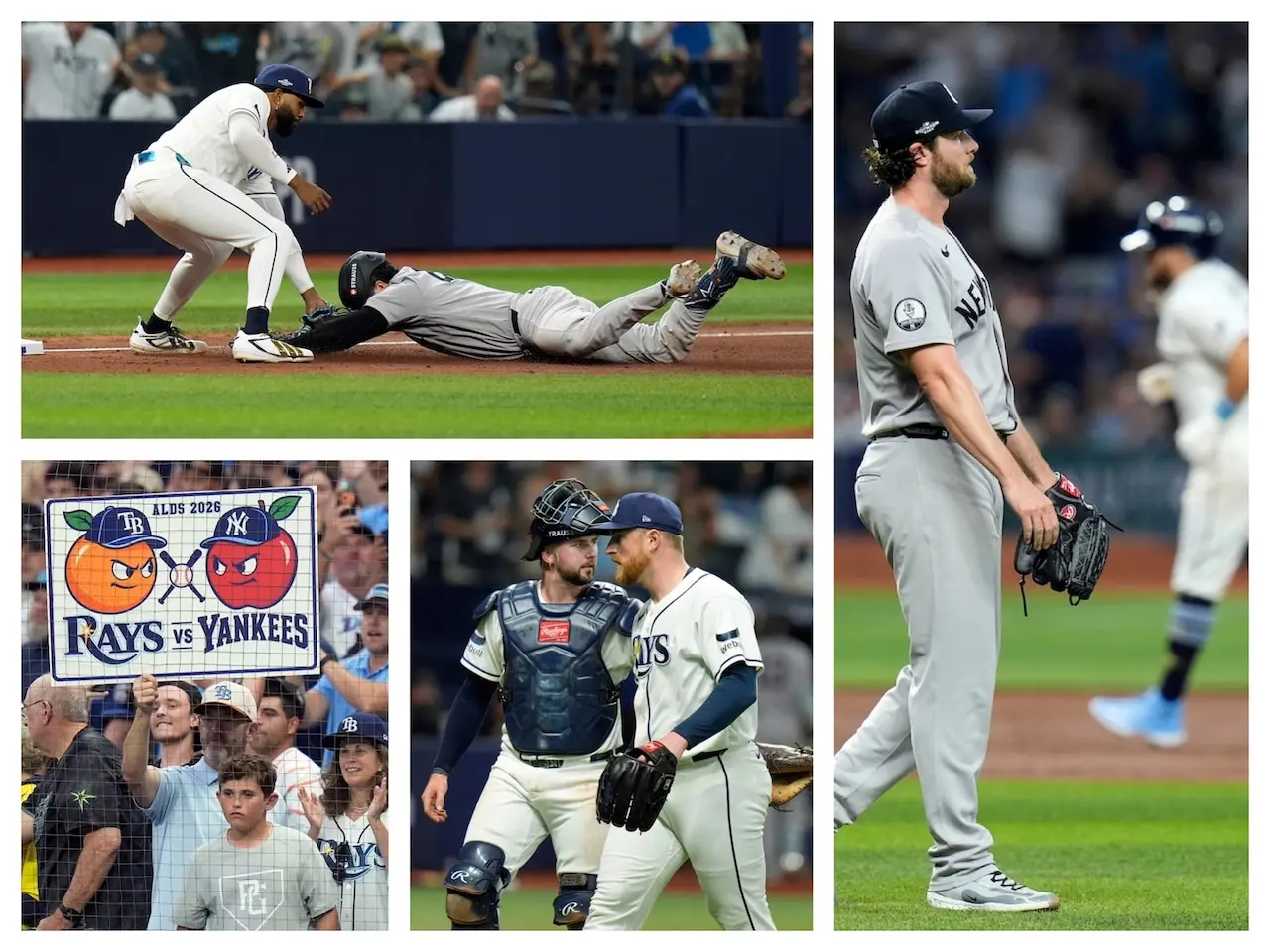 ALDS Game 1 Takeaways: Austin Wells’ Costly Mistake Haunts Yankees
 Revolution in the Rams’ Defense: Mid‑Game Call Change
The current standings present a fascinating statistical anomaly. No team has secured a dominant lead yet. Every franchise has experienced both victory and defeat. This uniformity allows for a direct comparison of potential trajectories. Experts believe that small differences in roster depth and coaching adjustments will soon widen the gap between contenders and pretenders.
Predicting the final record of these teams requires looking beyond the initial two weeks. A 1-1 start is often misleading. It can mask underlying strengths or hide critical weaknesses. For instance, a team might win through luck while playing poor football. Conversely, another squad could lose despite dominating possession time. Analysts focus on efficiency metrics rather than raw wins. They examine drive duration, turnover rates, and scoring averages. These factors provide a better indicator of long-term success than the current scoreline.
Which Teams Will Break Away?
Aaron Rodgers and the Pittsburgh Steelers represent one such case study. Their recent results have drawn significant attention. The narrative surrounding their performance hinges on whether early struggles are temporary or structural. Similar scrutiny applies to other 1-1 teams across the conference. Coaches must adjust game plans quickly. Players need to find rhythm before the schedule intensifies. The margin for error shrinks as the season progresses.
The question remains which specific groups will break away from the pack. Historical trends suggest that teams with strong special units often outperform expectations. Special teams contribute significantly to field position and momentum. Additionally, offensive line stability correlates heavily with sustained success. Teams that protect their quarterbacks effectively tend to maintain consistency. Those who suffer frequent sacks often struggle to sustain drives. This physical aspect of the game becomes crucial as fatigue sets in later in the year.
Defensive identity also plays a pivotal role. A cohesive defensive scheme can compensate for offensive inconsistencies. Teams that generate pressure without blitzing heavily often keep opponents off balance. This strategic nuance separates true contenders from those merely surviving. As the league moves toward the mid-season mark, these tactical elements will define the hierarchy.
The outlook for the remaining months is fluid. The 1-1 group will inevitably split. Some will climb into the playoff picture. Others will fight for a wildcard spot. A few may settle into a comfortable middle ground. The key lies in adaptation. Teams that evolve their strategies will thrive. Those that stagnate will likely find themselves fighting for a tiebreaker in December. The journey from parity to polarization is just beginning.
Frequently Asked Questions
Why is a 1-1 record considered a neutral starting point? A 1-1 record indicates that a team has faced both success and failure. It removes the bias of a perfect start or a disastrous opening. This allows analysts to evaluate consistency rather than initial shock value.
How do special teams influence long-term predictions? Special teams affect field position and scoring opportunities. Strong kickoff returns and punts can create easier offensive situations. This cumulative advantage often leads to more wins over a full season.
What role does offensive line stability play in outcomes? A stable offensive line protects the quarterback and opens running lanes. Injuries or poor performance here disrupt the entire offensive rhythm. Teams with reliable linemen typically sustain longer drives and score more points.
Content written by Christopher Kline for live-sports-site.com editorial team, AI-assisted.