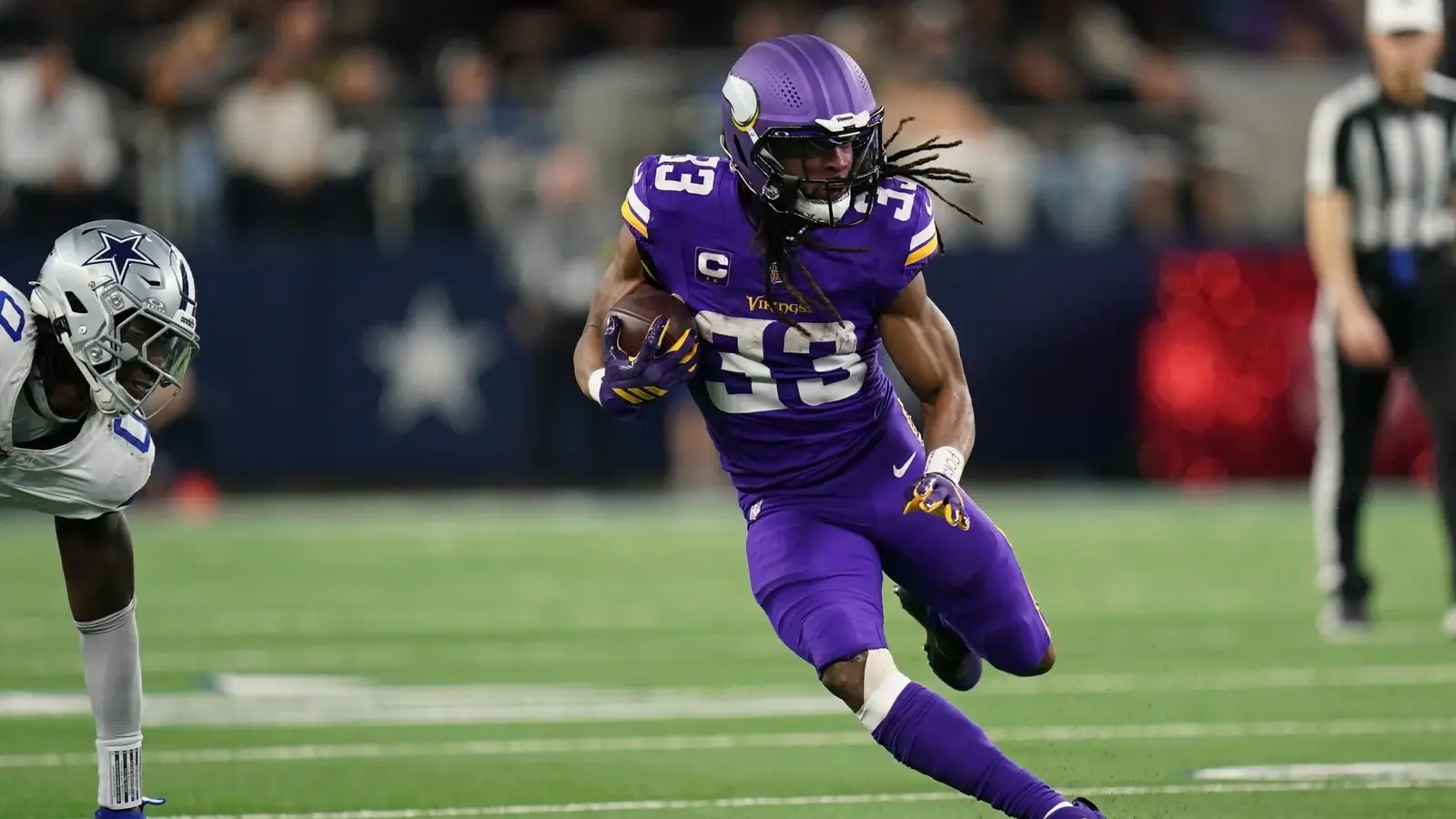
Injury waves reshape fantasy football strategies for NFL Week 3
Injuries Force Rapid Reassessment of Top Tier Players
A cluster of high-profile injuries has fundamentally altered the landscape for fantasy football managers heading into NFL Week 3 of the 2026 season. Key quarterbacks and running backs have exited games early, forcing owners to reevaluate their starting lineups immediately. The sudden absence of star players creates a volatile environment where standard rankings no longer apply. Managers must now rely on updated projections rather than preseason assumptions. This shift impacts every position group, from skill players to tight ends. The uncertainty surrounding return timelines adds significant pressure to decision-making processes. Owners face difficult choices between safe veterans and emerging rookies.
Latest news
 Tennessee’s Bold Decision Pays Off in 24‑14 Victory Over Auburn
 LaNorris Sellers Addresses Backup QB Rumors After Kentucky Loss
 ALDS Game 1 Takeaways: Austin Wells’ Costly Mistake Haunts Yankees
 Revolution in the Rams’ Defense: Mid‑Game Call Change
The most critical updates involve the quarterback position, where three notable names suffered setbacks. Caleb Williams, Jayden Daniels, and Jaxson Dart all sustained injuries during previous matchups. These absences disrupt the usual pecking order for fantasy starters. Beyond signal callers, the ground game faces its own challenges. Running back J. K. Dobbins is expected to miss time due to his injury. Wide receiver Alec Pierce also joins the list of players likely to sit out. Additionally, tight end Dallas Goedert is projected to be unavailable for an extended period. These specific absences create immediate voids in many rosters. Advanced models have adjusted their scoring projections to reflect these changes. The data suggests that backup options may see increased target shares. Consequently, sleeper candidates gain value in the current market.
How Do Backup Options Benefit From Sudden Vacancies?
When primary options go down, secondary players often step into larger roles. This dynamic typically results in inflated fantasy output for those stepping up. For instance, if a star wide receiver misses time, the next man on the depth chart receives more targets. This redistribution of workloads can turn a bench player into a starter. Managers should monitor practice reports closely to identify these shifts. The advanced model used for these projections accounts for such workload changes. It calculates potential yardage and touchdown opportunities based on new usage rates. While the model provides statistical guidance, human judgment remains essential. Coaches may not always distribute snaps evenly among backups. Therefore, fantasy owners must balance algorithmic advice with real-world coaching tendencies. The goal is to maximize points while minimizing risk.
Which positions are most affected by the recent injury wave? The quarterback and running back positions face the highest volatility. Multiple top-tier players in these categories are currently sidelined. This makes finding reliable weekly starters significantly harder for fantasy managers.
Frequently Asked Questions
Do advanced models account for backup player usage changes? Yes, the projections adjust for increased workload among backups. The system recalculates expected targets and touches based on new depth charts. This helps identify undervalued assets who may outperform their baseline stats.
How long are the injured players expected to miss? Specific return timelines vary for each athlete. Some players are expected to miss only a few weeks, while others may sit out longer. Owners should check weekly injury reports for the latest updates on availability.
Content written by Ross Kelly for live-sports-site.com editorial team, AI-assisted.