Ireland’s Ogbene Calls Out Public Pressure Over Israel Boycott
The Boycott and Its Rationale
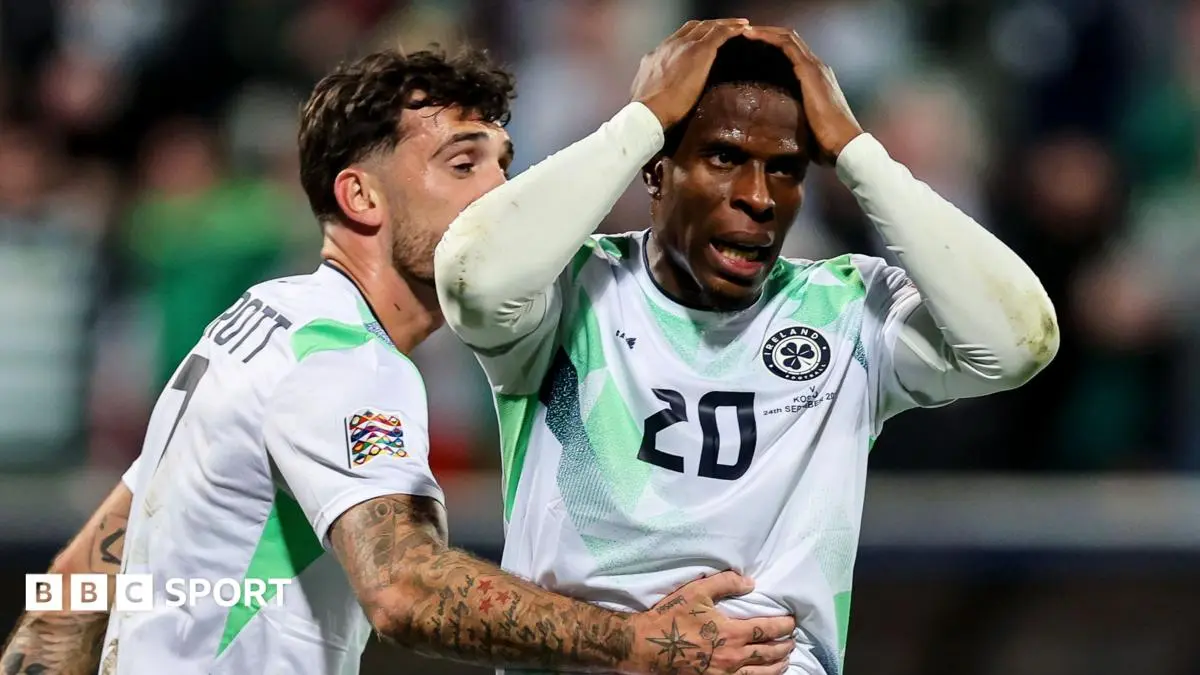
Republic of Ireland winger Chiedozie Ogbene has publicly warned fans not to add pressure on the national team as they prepare to boycott a match against Israel. The statement comes after Ireland’s 1‑0 loss to Kosovo in the Nations League, where Ogbene missed a clear scoring chance in the first half. Ogbene’s remarks address growing debate within Irish football circles about the team’s decision to refuse participation in the upcoming fixture against Israel. He argues that the players should focus on performance rather than political expectations, and he stresses the need for unity and respect for the team’s choices.
Latest news
 Travis Erickson: How to Watch NFL Week 6 – Bengals on Bye, Browns Face Ravens
 Former NFL Star Predicts Eagles Will Trade Up for Draft Capital After Jalen Hurts Injury
 Brewers Eye First World Series Trip Since 1982 in Game 4 Clash With Dodgers
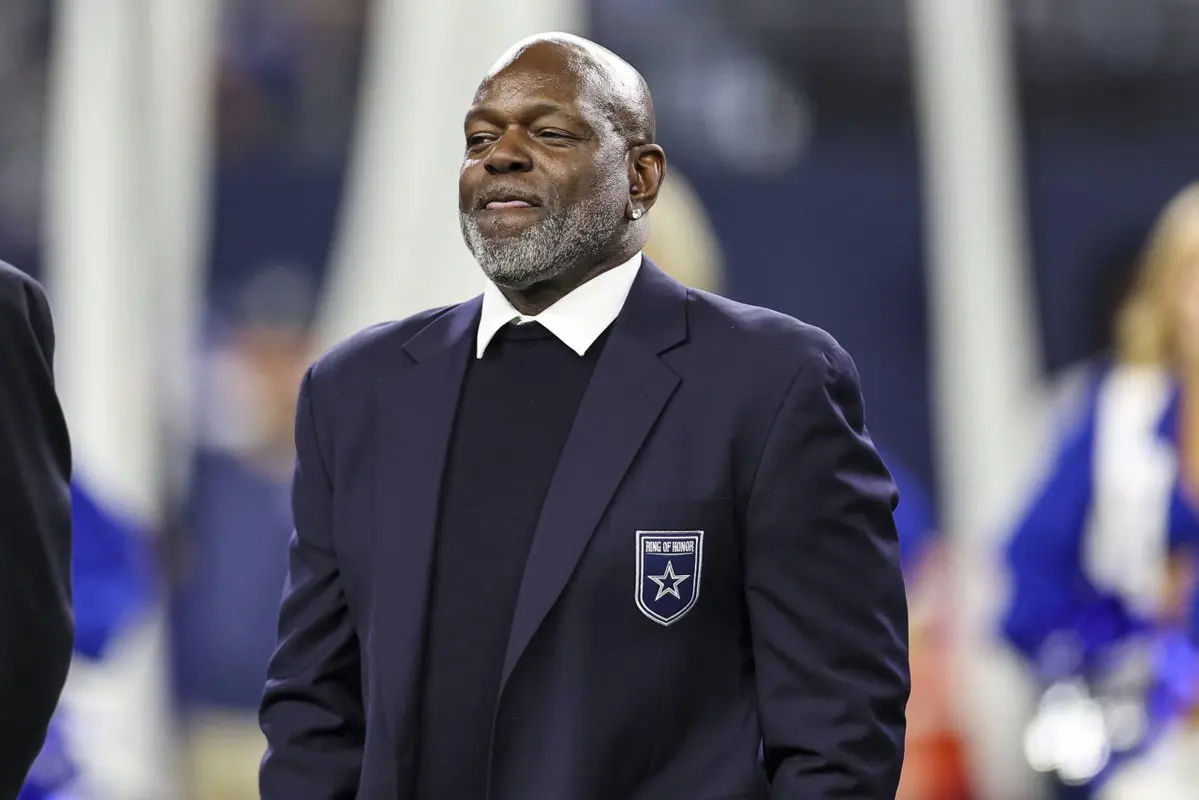 Emmitt Smith Defends Taylor Swift's Presence at Chiefs Games Amid Lip-Reading Debate
The Irish Football Association announced last week that the national squad would not travel to Israel for the Nations League clash. The move was motivated by concerns over the political situation in the region and the safety of players. Ogbene, who has been a regular starter, said the boycott is a statement of solidarity with Palestinian rights. He added that the decision was made collectively by the squad and the coaching staff, and that it should not be a source of controversy for supporters.
Fans’ Reaction and the Call for Respect
During the match against Kosovo, Ogbene was visibly frustrated after missing a golden opportunity. He described the moment as „a moment of frustration that I didn’t want to let the team down.” The loss, while disappointing, highlighted the intensity of the competition and the pressure the players feel.
Ogbene’s warning to fans comes amid a wave of criticism from some supporters who feel the boycott undermines the team’s focus on football. He said, „I’m not asking for anything from the fans. I’m simply asking that you don’t put pressure on us to do something that we’ve decided is right.” He stressed that the players are not being asked to compromise their values for the sake of a single match.
Looking Ahead: What Happens Next?
The Irish media has amplified the debate, with some outlets framing the boycott as a political statement that could alienate segments of the fan base. Ogbene counters that the decision is about ensuring the safety and integrity of the squad. He also noted that the team’s performance against Kosovo showed they were still capable of competing at a high level, despite the loss.
Frequently Asked Questions
The boycott has already sparked discussions about future fixtures and the potential impact on the team’s standing in the Nations League. The Irish Football Association has confirmed that the match will be postponed, and alternative arrangements are being considered. Ogbene believes the team will use this pause to regroup and train harder for upcoming games against stronger opponents.
If the boycott proceeds, it could set a precedent for other national teams facing similar dilemmas. Ogbene hopes that the decision will be respected as a stand for human rights rather than a political statement. He encourages fans to support the team on the field and to respect the choices made by the players and management.
Content written by BBC Sport for live-sports-site.com editorial team, AI-assisted.