It’s Better Than Anything Else: Nick Saban Urges Reconsideration of His Proposal as Colleges Exploit NCAA Loophole
„It’s Better Than Anything Else”: Nick Saban Calls for Reconsideration of His
A single court decision in Louisiana has triggered a new chapter in American college football. A state judge granted a temporary order permitting 2022-class players, even those who already attempted NFL careers, to re-enter college athletics. SEC coaches wasted no time and began securing spots for these recently eligible professionals. This sudden roster instability forced league leadership to hold emergency late-night meetings, desperately seeking a federal solution known as the College Sports Protection Act.
Latest news
 Travis Erickson: How to Watch NFL Week 6 – Bengals on Bye, Browns Face Ravens
 Former NFL Star Predicts Eagles Will Trade Up for Draft Capital After Jalen Hurts Injury
 Brewers Eye First World Series Trip Since 1982 in Game 4 Clash With Dodgers
 Emmitt Smith Defends Taylor Swift's Presence at Chiefs Games Amid Lip-Reading Debate
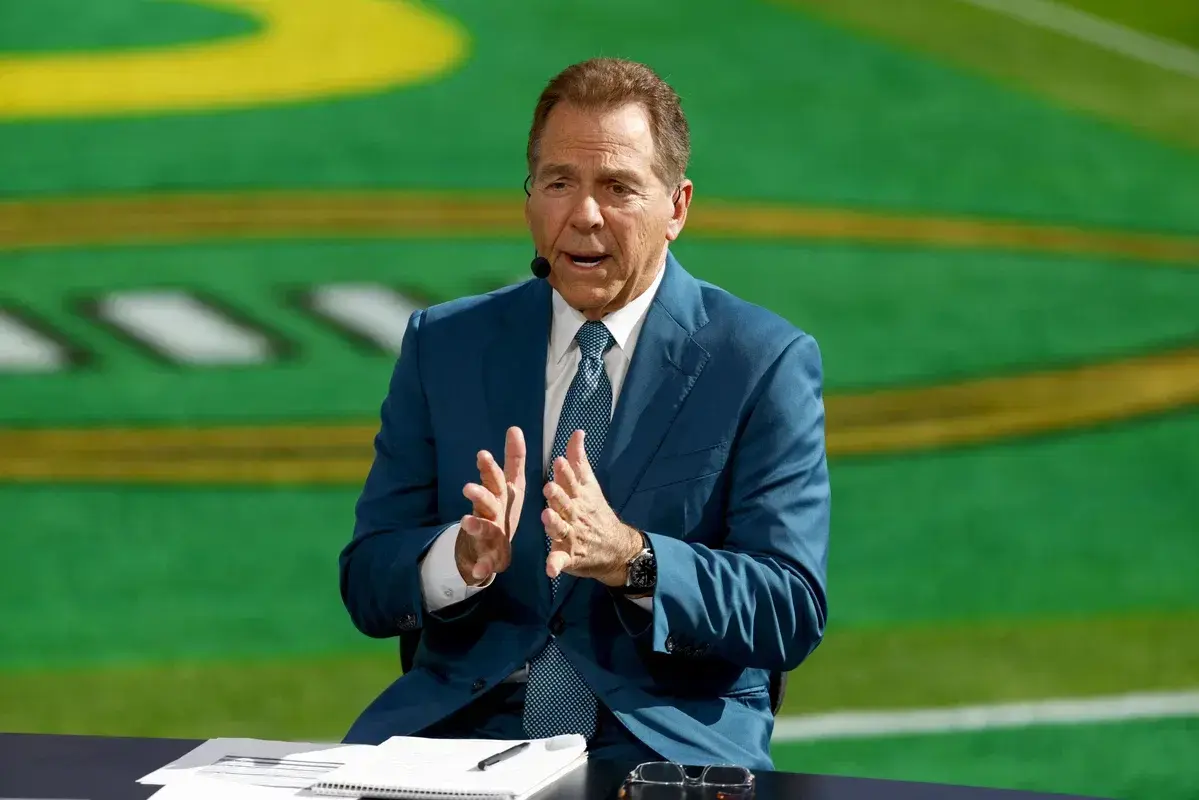
At the Legacy Awards ceremony in Birmingham, former University of Alabama head coach Nick Saban came out of retirement to again support this legislative initiative, calling it the best hope to stop the abusive exploitation of legal loopholes currently affecting college sports. „I believe many of the problems we face today could be solved by this bill if people engaged with it. But it’s not perfect,” Saban said, according to information provided by Mike Rodak. „But the important thing is that, although democracy isn’t perfect, it’s better than anything else. Tell me something better.” To restore competitive balance, Saban argues that sports needs a few fundamental, clearly defined principles: one transfer allowed per athlete, uniform NIL contract rules, and a strict five-year eligibility limit for all players.
At the Legacy Awards ceremony in Birmingham
Beyond these basic restrictions, the College Sports Protection Act proposal grants the NCAA limited antitrust immunity to enforce a single national standard, creates an official registry for sports agents, and gives authority to review sponsor NIL contracts to reduce pay-for-play battles. According to Saban, the current version of the bill resolves about 80% of the issues affecting college football, while the remaining 20%—sometimes overlooked—is what causes the greatest confusion. He used the example of Dae’Quan Wright to illustrate the urgency of adopting a national law. Wright finished his college career, signed with the Cleveland Browns in the NFL, then was released. Under normal circumstances, his ties to college football would have been permanently severed. But thanks to the Louisiana judicial injunction, Wright officially entered the transfer portal with a pre-agreement to join LSU immediately after clearing the NFL waiver process.
Saban argues that implementing a federal five-year eligibility limit would effectively stop such state court rulings, rendering players automatically ineligible the moment they turn professional. His goal is to ensure that once an athlete becomes a professional, they cannot simply return to the college environment. The irony is striking: lawyers fighting against the NCAA are using the same legal loopholes to demand extra seasons for older players. Instead of fixing the problem, this has created total chaos in roster construction—exactly the scenario Saban tried to avoid when he took his message directly to Capitol Hill.
In the past, Saban repeatedly warned about roster instability, even before 2024, when he testified before Congress and urged legislators to act against rising transfer budget increases. He also cited past abuses, such as multiple transfer specialists switching positions mid-season or European professional basketball players posing as amateurs to enter NCAA, to show how programs will always stretch vague rules. These examples clearly show that without a solid, uniform legal framework, the tendency to manipulate the system will persist. Saban remains convinced that only a well-constructed federal law can restore fairness and predictability to college sports.
Content written by Alex Turner for live-sports-site.com editorial team, AI-assisted.