
John Barnes Defends Thomas Tuchel’s Defensive Shift After England’s Semi‑Final Defeat
Tuchel’s Tactical Adjustment: A Strategic Choice, Not a Failure
England’s World Cup 2026 semi‑final against Argentina ended in a 2‑1 loss, sparking criticism of manager Thomas Tuchel’s tactics. Former Liverpool star John Barnes stepped in to argue that the German‑born coach’s defensive change was a calculated response, not a mistake. The match took place at the MetLife Stadium on July 12, and the decision unfolded after England’s early goal.
Latest news
 Travis Erickson: How to Watch NFL Week 6 – Bengals on Bye, Browns Face Ravens
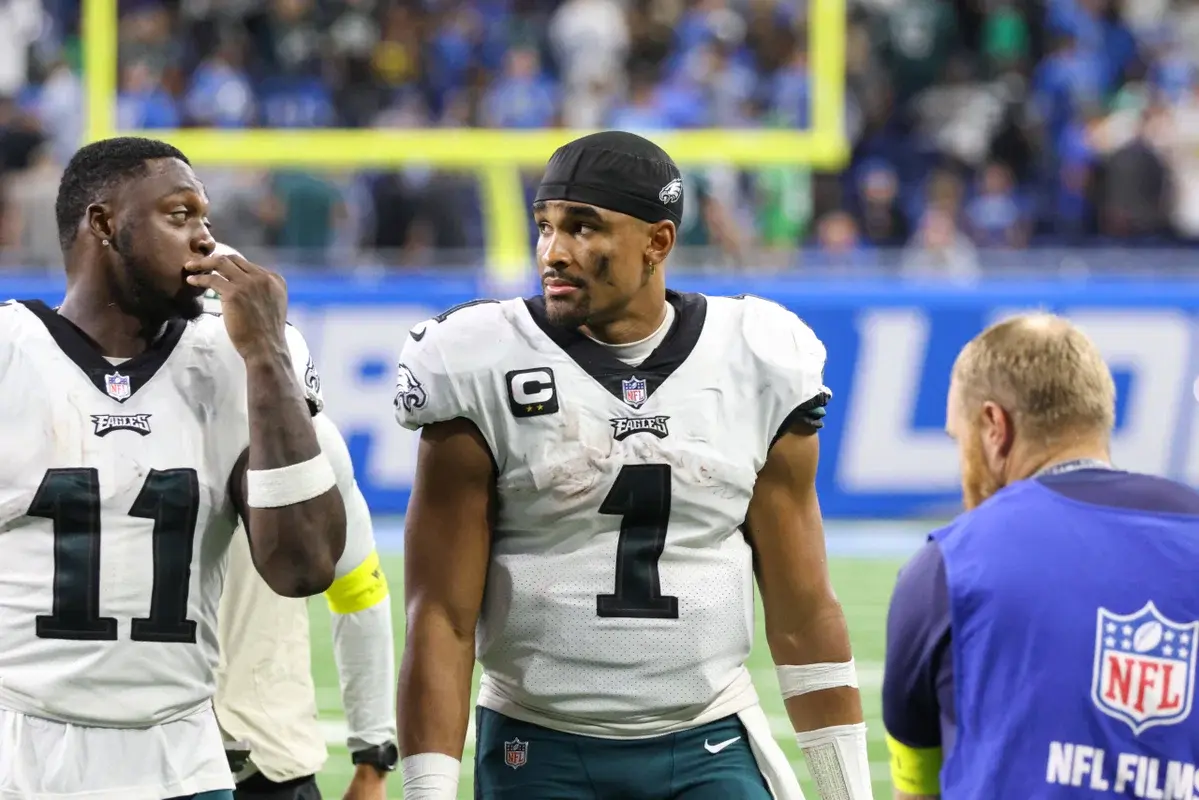 Former NFL Star Predicts Eagles Will Trade Up for Draft Capital After Jalen Hurts Injury
 Brewers Eye First World Series Trip Since 1982 in Game 4 Clash With Dodgers
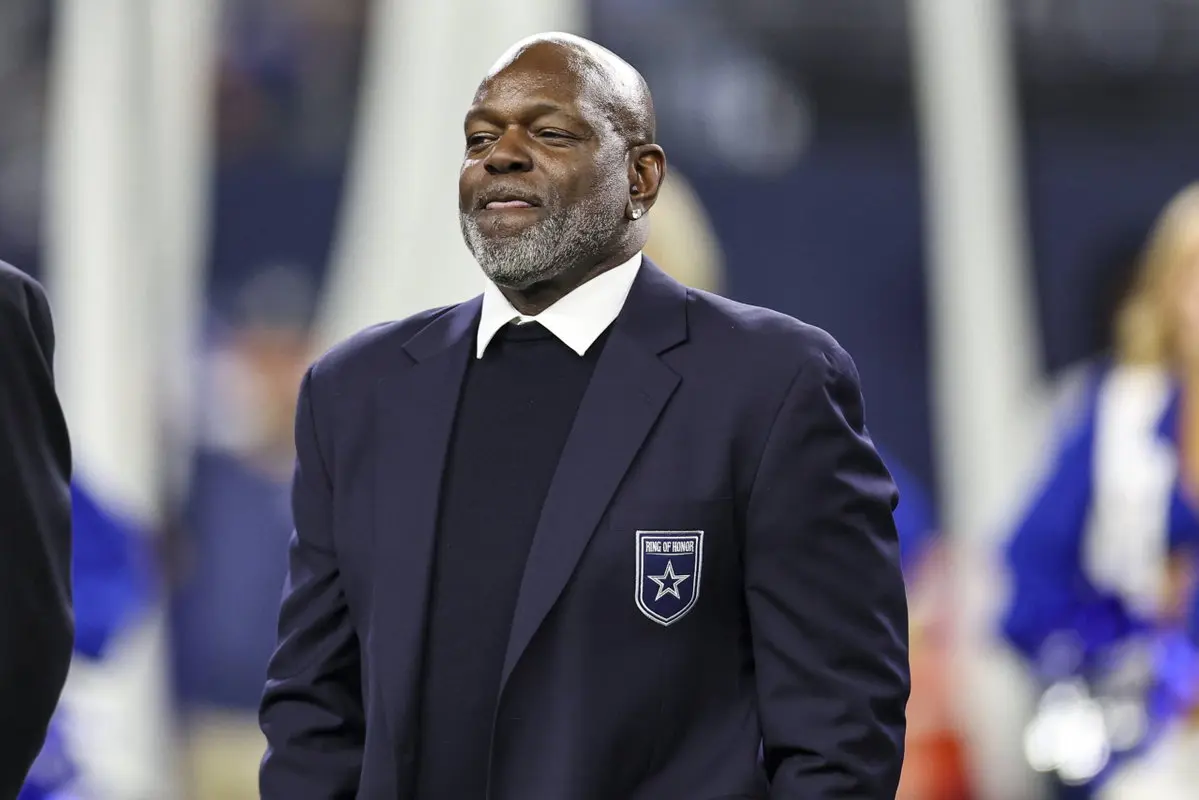 Emmitt Smith Defends Taylor Swift's Presence at Chiefs Games Amid Lip-Reading Debate
England opened the game with a swift strike, taking a 1‑0 lead in the 15th minute. Tuchel, observing his side’s growing passivity, ordered a shift to a tighter, more defensive shape. He later explained that the team was „becoming too passive” and needed to protect the lead. Substitutions followed, but the change left England vulnerable to Argentina’s renewed attack, culminating in a late equaliser and a winning goal in extra time.
Barnes highlighted that Tuchel’s decision aligned with modern tournament strategies, where preserving a narrow lead often outweighs maintaining an attacking rhythm. „He wasn’t abandoning the game,” Barnes told reporters. „He was trying to lock down the defense and force Argentina to chase.” The former England winger noted that many elite coaches adopt similar tactics in knockout stages, emphasizing compactness and counter‑attacking potential.
Did the Defensive Switch Cost England the Match?
The defensive posture meant England dropped their high line, reduced forward runs, and focused on maintaining shape. Critics argued this made the side „passive,” but Barnes countered that the shift was intended to neutralize Argentina’s pace. He added that the subsequent substitutions aimed to inject fresh legs without compromising defensive solidity. The approach, while controversial, reflected Tuchel’s broader philosophy of disciplined organization.
Supporters of Barnes’ view argue that the tactical change was a rational risk, yet opponents claim it invited pressure that England could not withstand. The Argentine side, led by veteran forward Lionel Messi, exploited the space left behind the English backline, scoring the equaliser in the 78th minute. A decisive goal in extra time sealed the defeat, prompting a wave of post‑match analysis.
Barnes maintained that the blame should not fall solely on the tactical shift. He pointed to the lack of clinical finishing in the second half and the inability to adapt to Argentina’s momentum. „Football is a team sport,” he said. „One decision does not define the entire performance.” The former England captain urged fans to consider the broader context, including player fatigue and the high stakes of a World Cup semi‑final.
Looking ahead, England must regroup ahead of the third‑place playoff, while Tuchel faces scrutiny over his in‑game management. Barnes’ defense of the coach suggests that the football community may reassess the balance between attacking intent and defensive prudence in future tournaments. The debate underscores the fine line managers walk between protecting a lead and preserving an attacking identity.
Frequently Asked Questions
Why did Tuchel change to a defensive setup after England led? He believed the team was becoming too passive and wanted to tighten the defense to protect the 1‑0 advantage.
What was John Barnes’ main argument in defending Tuchel? Barnes argued the tactical shift was a strategic decision common among top coaches, not a reckless abandonment of attack.
Will this loss affect Tuchel’s future with England? The defeat raises questions about his approach, but the FA has not indicated any immediate changes to his position.
Content written by Alex Turner for live-sports-site.com editorial team, AI-assisted.