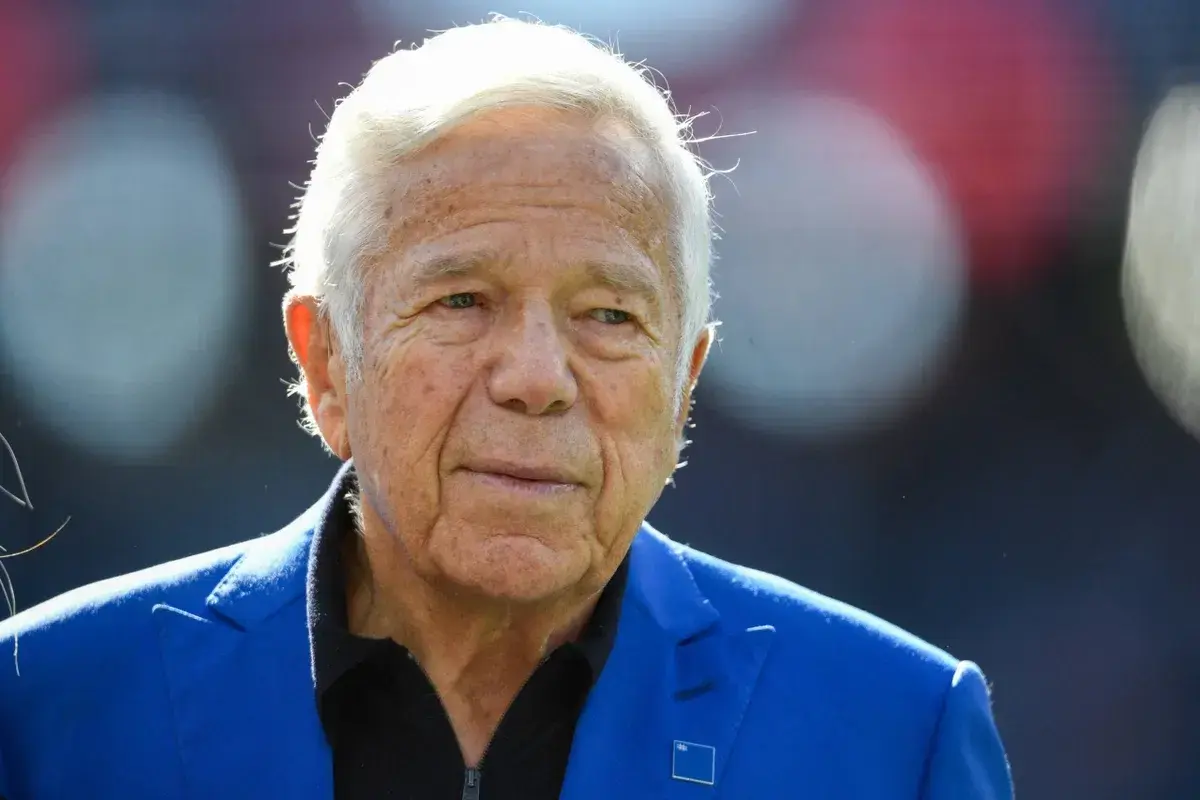
Kraft Faces Backlash Over Quick Switch from World Cup Grass to Turf at Gillette Stadium
Turf Installation Speed Draws Environmental Scrutiny
The New England Patriots’ owner, Robert Kraft, oversaw Gillette Stadium’s rapid conversion from natural grass used in seven FIFA World Cup matches to artificial turf within days after the tournament ended. The change occurred in early July 2026, sparking criticism from fans, players, and environmental groups.
Latest news
 Travis Erickson: How to Watch NFL Week 6 – Bengals on Bye, Browns Face Ravens
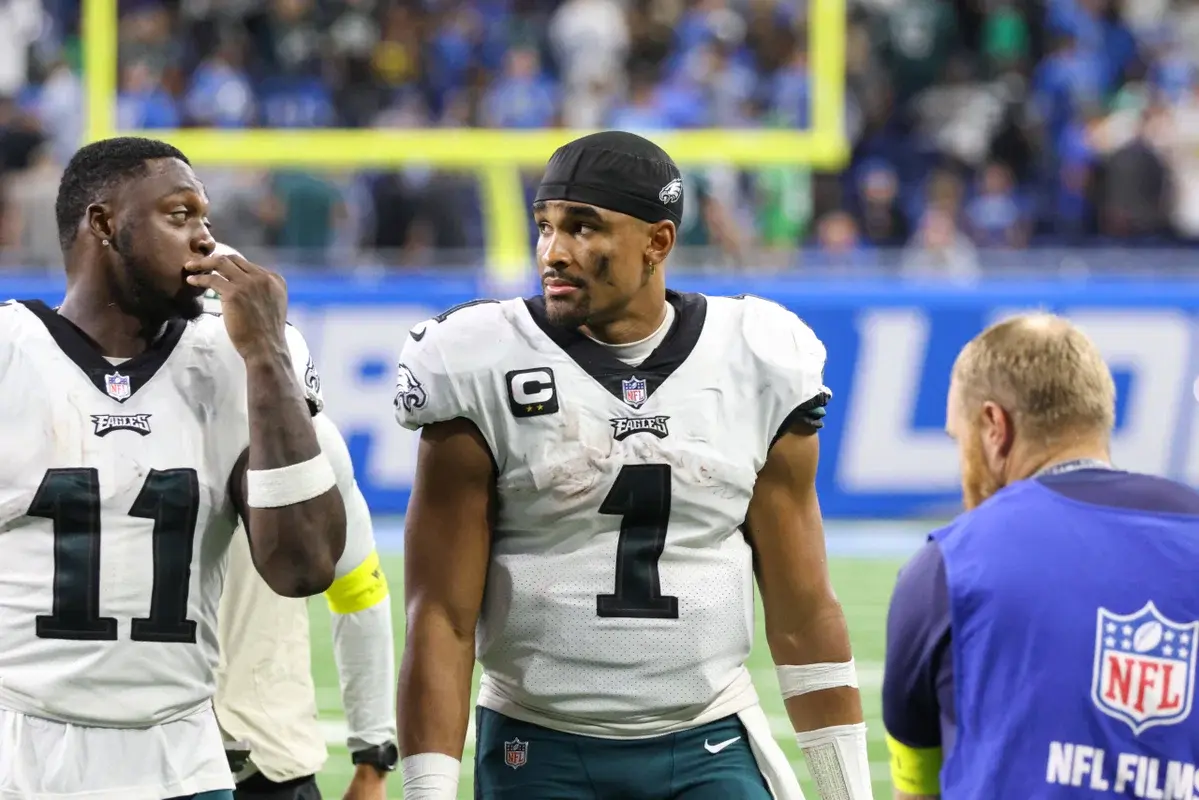 Former NFL Star Predicts Eagles Will Trade Up for Draft Capital After Jalen Hurts Injury
 Brewers Eye First World Series Trip Since 1982 in Game 4 Clash With Dodgers
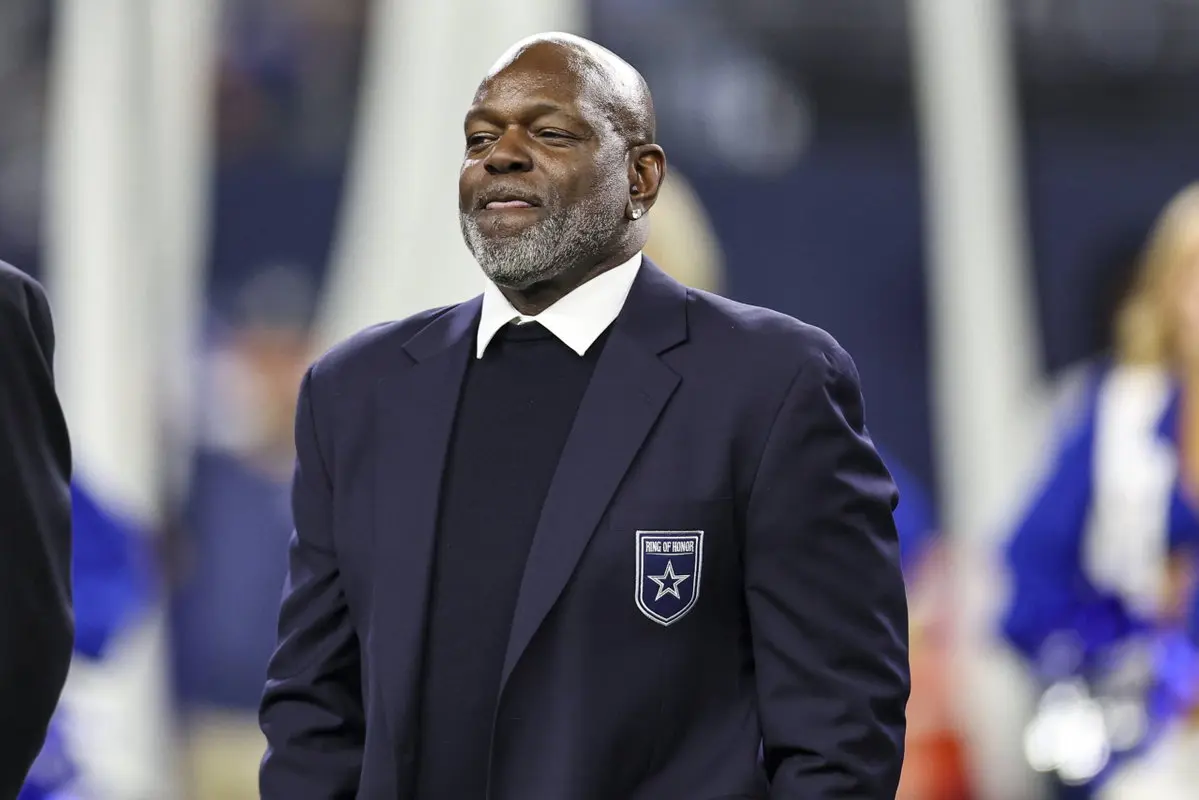 Emmitt Smith Defends Taylor Swift's Presence at Chiefs Games Amid Lip-Reading Debate
The stadium, a regular NFL venue, was temporarily refitted with a FIFA‑approved grass surface for the World Cup. Once the matches concluded, grounds crews removed the turf and installed synthetic playing fields to prepare for the Patriots’ upcoming season. Critics argue the speed of the swap shows little regard for the pitch’s legacy and sustainability.
The conversion was completed in less than a week, a timeline that many consider unusually fast for such a large venue. Environmental advocates point out that artificial turf production generates significant carbon emissions and that the discarded grass may have been recyclable. Local officials noted that the rapid turnover helped meet the Patriots’ schedule but raised questions about long‑term ecological impact. Observers suggest that future events might benefit from a more measured approach to surface changes.
Did the Rapid Change Affect Player Safety?
Players and coaches expressed concerns that the sudden shift could influence injury rates. Synthetic surfaces behave differently than natural grass, affecting traction and shock absorption. While the Patriots’ medical staff conducted standard safety checks, some analysts warned that limited acclimation time might increase the risk of strains or joint issues. The league’s injury reports will likely be monitored closely during the early games to assess any correlation with the new turf.
The controversy places Robert Kraft under heightened public scrutiny. Supporters argue the decision was practical, ensuring the Patriots could host home games without delay. Opponents maintain that the move reflects a broader trend of prioritizing convenience over environmental stewardship. As the season approaches, the stadium’s management faces pressure to demonstrate responsible stewardship while maintaining competitive readiness.
Frequently Asked Questions
Why was the grass replaced so quickly? The Patriots needed a durable playing surface for the upcoming NFL season, and synthetic turf offers faster installation and lower maintenance than natural grass.
What environmental concerns are associated with artificial turf? Artificial turf production consumes petroleum‑based resources and can release microplastics. Disposal of old grass and turf also raises waste management challenges.
Will the new turf affect game performance? Synthetic surfaces can change ball roll and player footing. Teams typically adapt through practice, but some players may experience different injury risks compared to natural grass.
Content written by Chris Morgan for live-sports-site.com editorial team, AI-assisted.