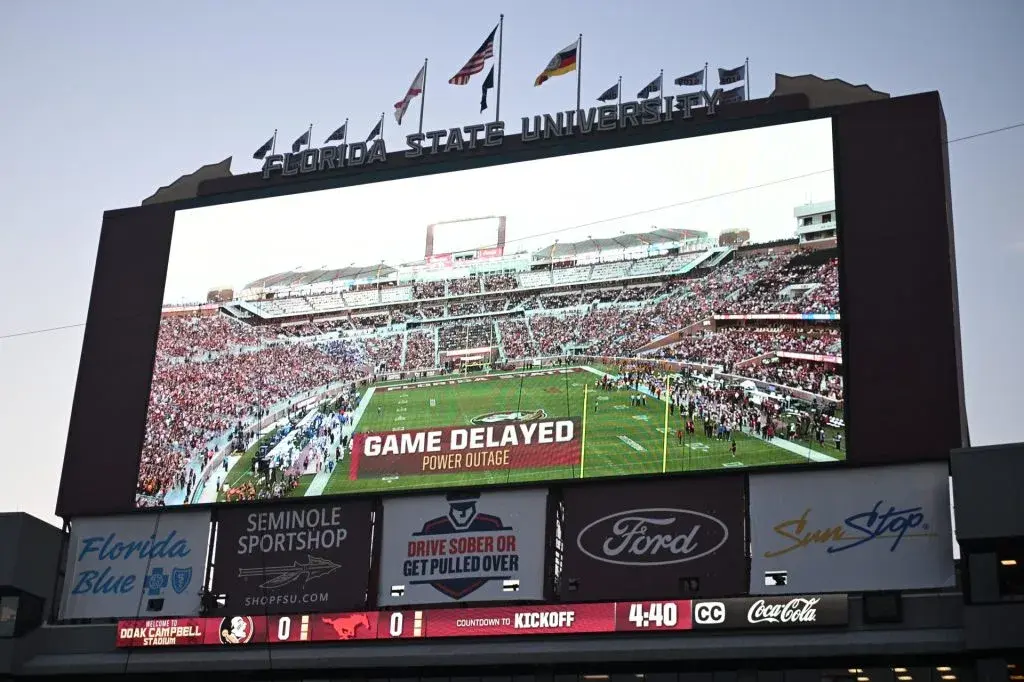
‘Like Playing a Game in 1990’: SMU and FSU Play Amid Power Outage
A Throwback to Analog Football
Southern Methodist University and Florida State University faced off in a college football game on September 8, 2026, at SMU’s Gerald J. Ford Stadium in Dallas, Texas, when a sudden power outage disrupted modern game operations. Despite the loss of electricity, officials decided to continue the match using only basic equipment and manual procedures. The game proceeded without coach-to-player helmet communication or instant replay review, forcing teams to rely on sideline signals and traditional officiating methods.
Latest news
 Travis Erickson: How to Watch NFL Week 6 – Bengals on Bye, Browns Face Ravens
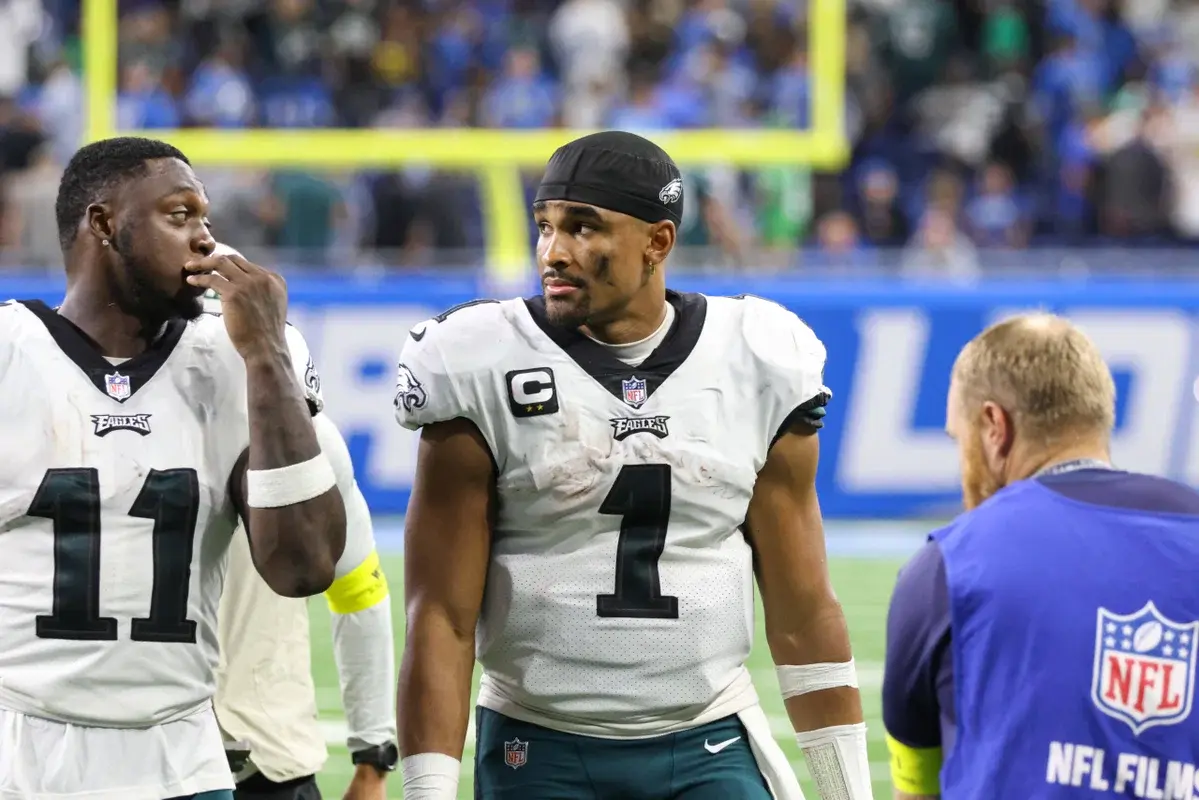 Former NFL Star Predicts Eagles Will Trade Up for Draft Capital After Jalen Hurts Injury
 Brewers Eye First World Series Trip Since 1982 in Game 4 Clash With Dodgers
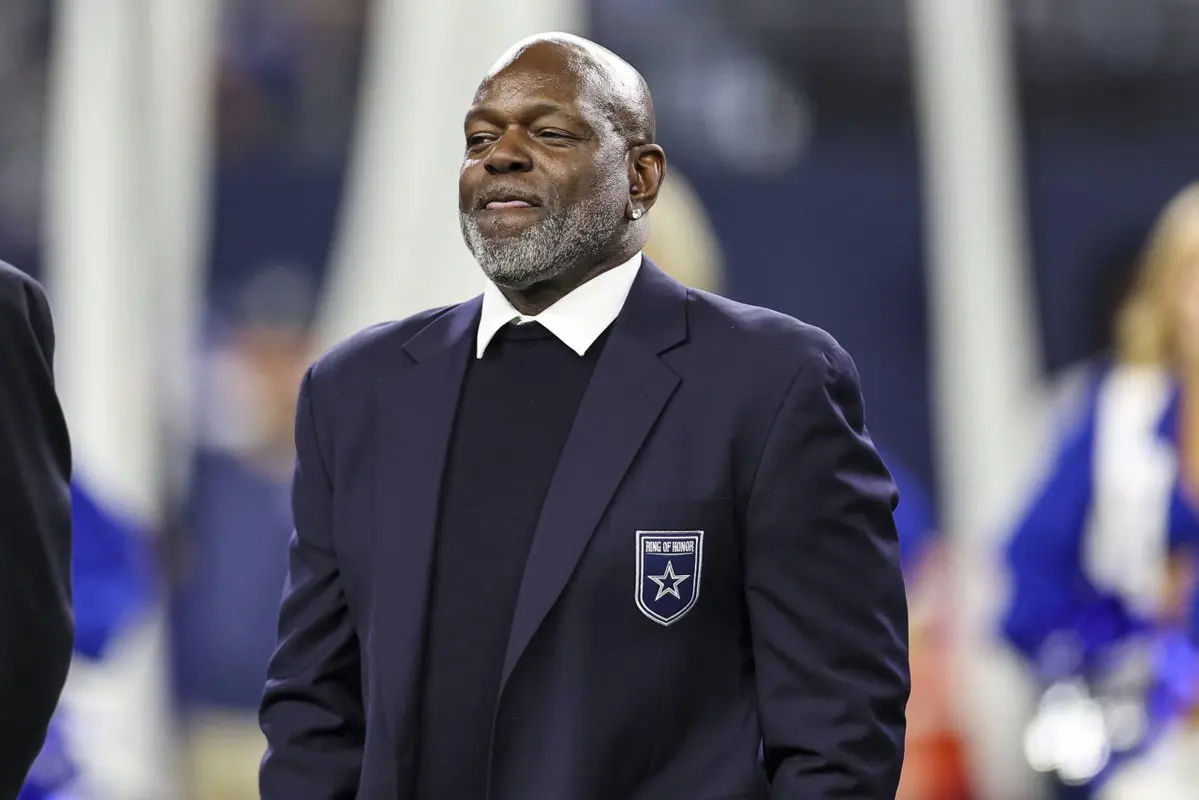 Emmitt Smith Defends Taylor Swift's Presence at Chiefs Games Amid Lip-Reading Debate
The outage occurred late in the second quarter, plunging the stadium into partial darkness and disabling scoreboards, play clocks, and communication systems. With no immediate resolution in sight, game officials consulted with both head coaches and agreed to play under modified rules to ensure player safety and competitive integrity. Teams used hand signals and laminated play sheets to communicate, while referees tracked downs and yardage manually on paper cards. Fans used phone flashlights to navigate the stands, creating an unexpected atmosphere reminiscent of earlier eras in football history.
What Happens When the Lights Go Out in Modern Sports?
Coaches described the experience as surreal, comparing it to football before digital technology transformed the sport. SMU’s head coach noted that calling plays without helmet radios felt like „coaching blindfolded,” requiring greater trust in players to execute pre-determined assignments. FSU’s quarterback said he had to memorize more plays in advance and rely on eye contact with receivers during breaks in action. The absence of instant replay meant controversial calls stood as made, increasing pressure on officials to get decisions right the first time. Despite the challenges, both teams maintained focus, with the game continuing without significant delays or safety incidents.
The incident raised questions about stadium infrastructure resilience and contingency planning for major sporting events. While power failures are rare at major college venues, this outage highlighted dependence on continuous electricity for core game functions. Stadium officials later attributed the disruption to a localized grid issue affecting a substation near the campus, not a failure of the stadium’s internal systems. Power was restored midway through the fourth quarter, allowing the final minutes to be played under normal conditions. The game concluded with FSU securing a narrow victory, though both teams acknowledged the unusual circumstances tested their adaptability in ways few modern players have experienced.
Why didn’t they postpone the game? Officials determined that delaying the game would create greater logistical complications for players, staff, and broadcasters, and that playing under modified rules was safer and more feasible given the circumstances.
Frequently Asked Questions
Was player safety compromised during the outage? No injuries were reported related to the power loss, and medical staff confirmed that all safety protocols remained functional through backup systems, ensuring emergency care was available if needed.
How common are power outages at college football games? Major power disruptions during games are uncommon at FBS stadiums, which typically have redundant power supplies, though localized issues like this one can still occur due to external grid problems.
Content written by Chris Morgan for live-sports-site.com editorial team, AI-assisted.