
NFL Updates Videoboard Rules for Kicking Plays After Viral Social Media Post
How the Rule Change Affects Game Day Operations
The National Football League has informed all 32 teams of a rule change affecting what can be displayed on stadium videoboards during field goal and extra point attempts. The update follows a widely shared social media post from a former NFL analytics coach who highlighted inconsistencies in how teams used the boards during kicking plays. The league confirmed the modification was made to standardize presentation and reduce potential distractions for kickers and holders. Teams were notified directly by NFL operations staff in a memo circulated earlier this week.
Latest news
 Travis Erickson: How to Watch NFL Week 6 – Bengals on Bye, Browns Face Ravens
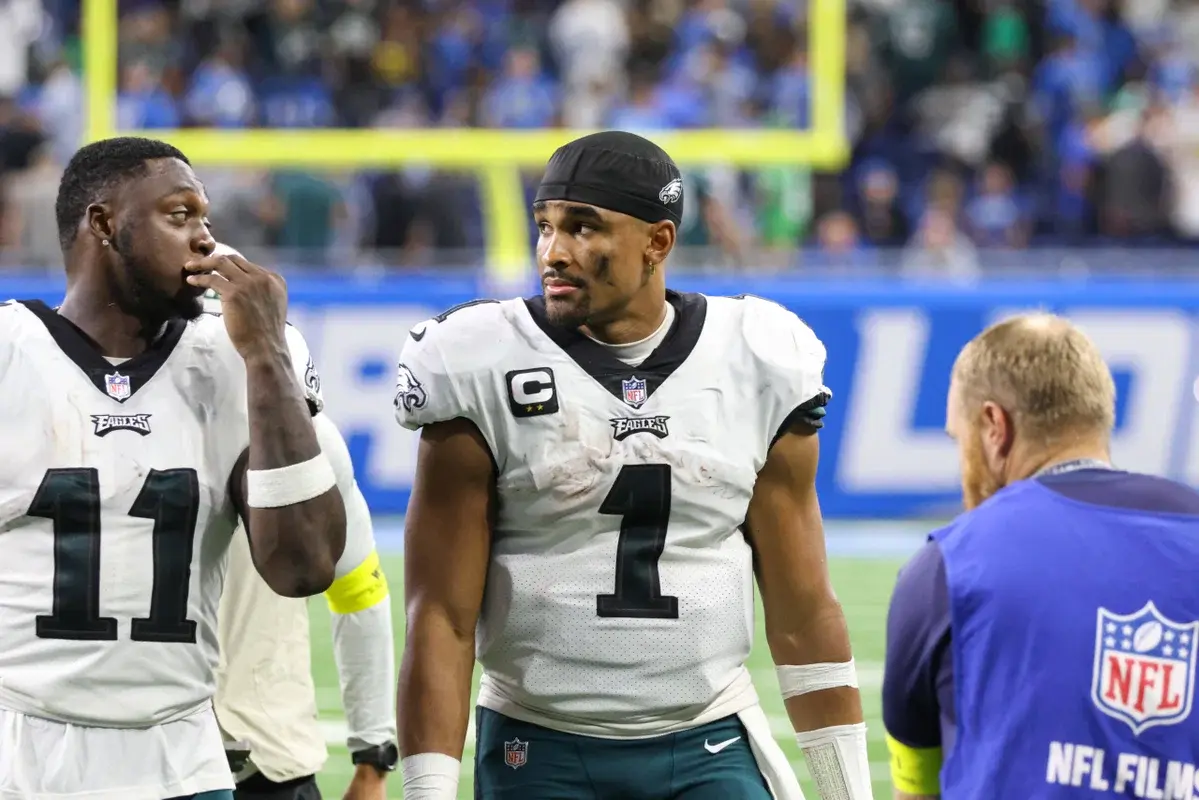 Former NFL Star Predicts Eagles Will Trade Up for Draft Capital After Jalen Hurts Injury
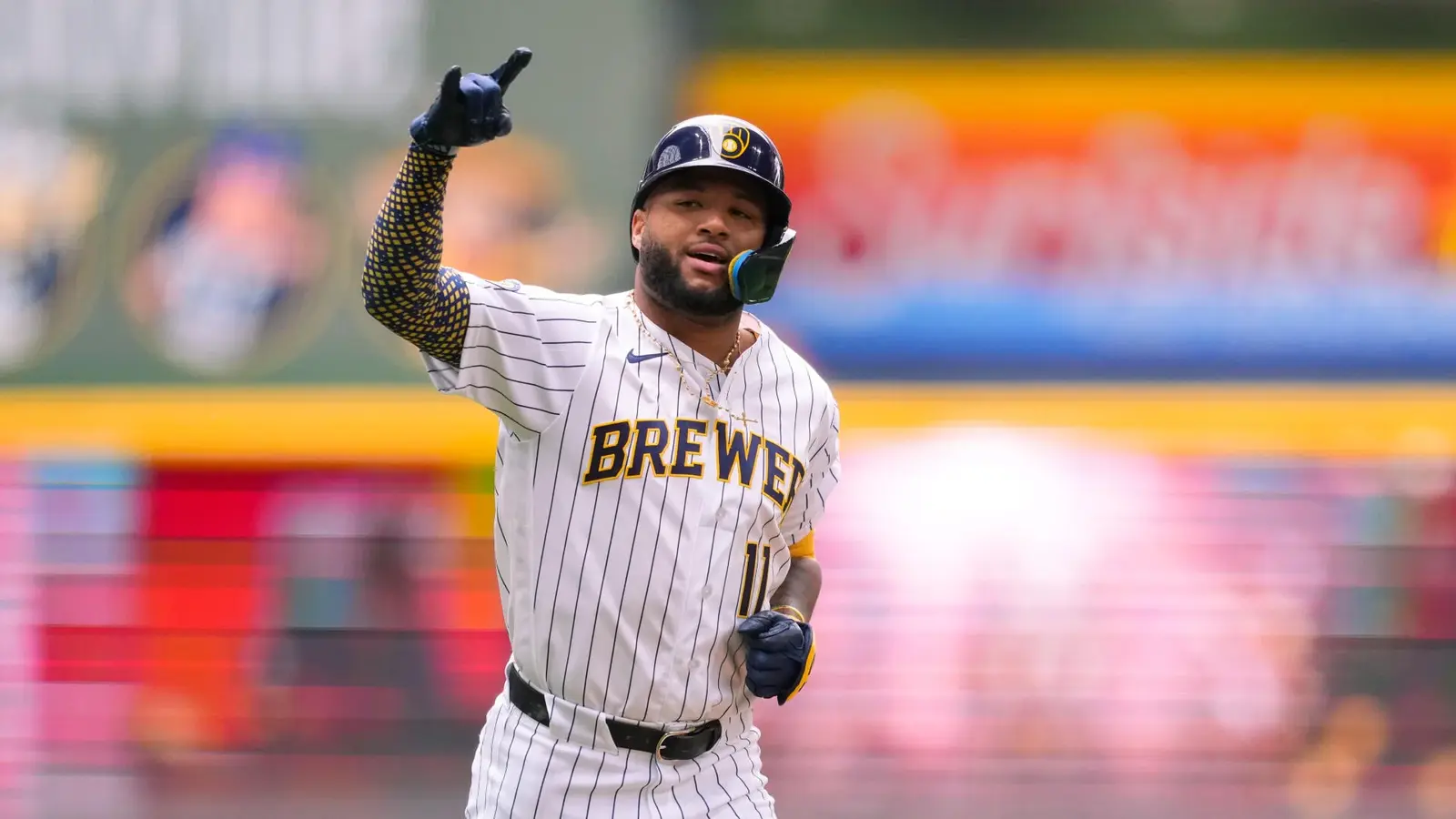 Brewers Eye First World Series Trip Since 1982 in Game 4 Clash With Dodgers
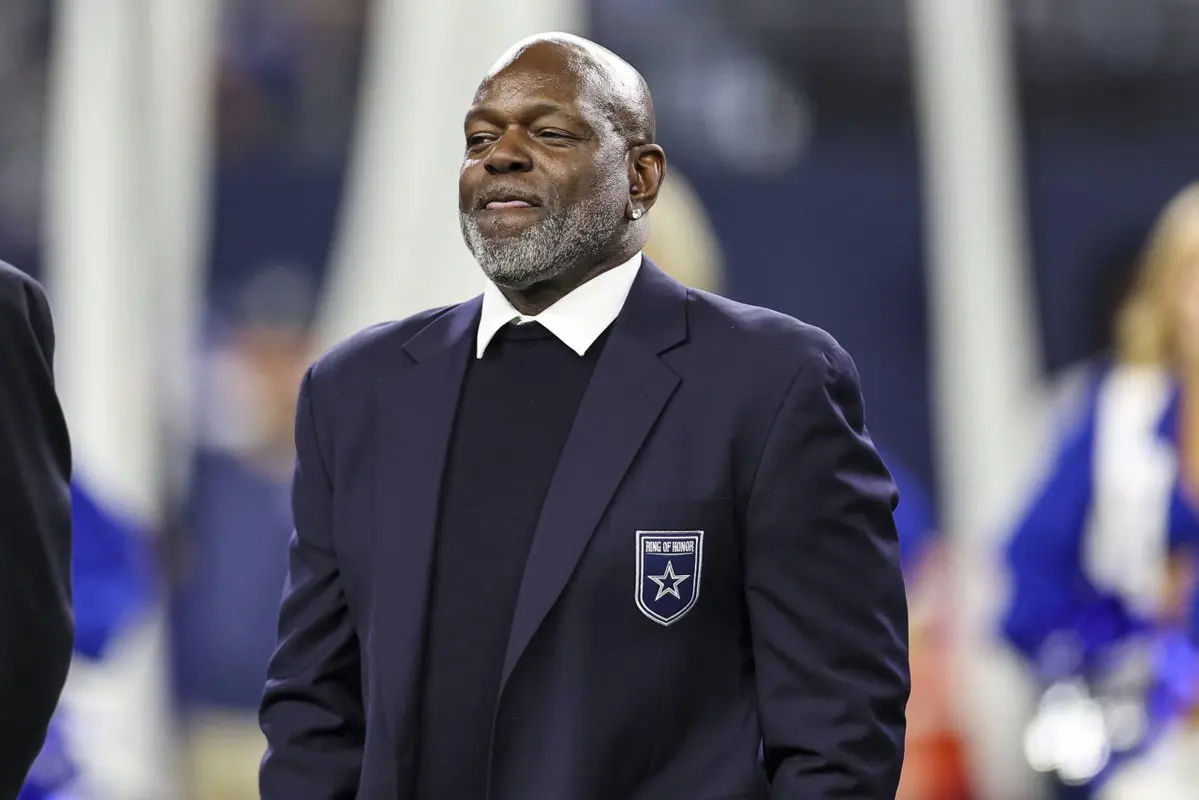 Emmitt Smith Defends Taylor Swift's Presence at Chiefs Games Amid Lip-Reading Debate
The NFL has long required videoboards and ribbon boards to show a static image during live gameplay, prohibiting flashing lights, animations, or video content that could interfere with concentration. However, the former coach’s post demonstrated that some teams were still using dynamic visuals during kicks, despite the existing rule. His analysis, which included side-by-side comparisons of different stadiums, gained traction online and prompted league officials to review enforcement. In response, the NFL clarified the rule and emphasized that all visual elements must remain completely still and non-distracting from the moment the ball is snapped until the kick is completed.
Why Did a Former Coach’s Post Trigger This Review?
Stadium operators must now ensure that all videoboard content during kicking plays consists solely of unchanging graphics, such as team logos or sponsor messages that do not move or cycle. The league will monitor compliance through game-day officials and may issue reminders or fines for repeated violations. The change does not affect what is shown during other phases of play, such as timeouts or between quarters, where dynamic content remains permitted. Officials stressed that the goal is not to eliminate advertising but to maintain a consistent visual environment during critical scoring attempts.
The ex-coach, who worked with an NFL team on data-driven strategy, used his platform to point out that inconsistent videoboard use could create unfair conditions, particularly in noisy stadiums where visual cues might help offset auditory distractions. He argued that flashing or moving boards could subtly influence a kicker’s focus, even if unintentionally. His post included video clips showing contrasting approaches at different venues, which sparked discussion among players, coaches, and fans. The NFL said it reviewed the evidence and determined that reinforcing the existing rule was necessary to uphold competitive fairness.
What Are the Potential Consequences for Non-Compliance?
Teams that fail to adhere to the updated videoboard guidelines could face disciplinary action, including financial penalties or formal warnings from the league office. The NFL emphasized that enforcement will be consistent across all venues and that stadium staff have been instructed to verify content before each game. While no sanctions have been issued yet, the memo made clear that repeated infractions would not be tolerated. The league also noted that it may provide additional training for venue operators to ensure understanding of the rule’s specifics.
Why did the NFL act now on this issue? The league responded after a former analytics coach’s viral post highlighted inconsistent use of videoboards during kicks, prompting a review of rule enforcement to ensure fairness and minimize distractions.
Frequently Asked Questions
Does this rule apply to all types of kicks? Yes, the restriction on dynamic videoboard content applies specifically to field goal and extra point attempts, from snap to completion of the kick.
What happens if a team violates the rule? Violations could result in warnings or fines, with the NFL stating it will monitor compliance and enforce the rule uniformly across all stadiums.
Content written by Mike Reiss and Adam Schefter for live-sports-site.com editorial team, AI-assisted.