NFLPA Says It Will „Explore All Options” for Dae’Quan Wright and Zxavien Harris Amid Uncertain Futures
Union’s Legal Playbook: Possible Leverage for the Players
The NFL Players Association announced Tuesday that it will examine every possible avenue to help former LSU athletes Dae’Quan Wright and Zxavien Harris, who were recently denied tryouts by the league for the 2026 season. Both players, who have spent the past year training for a comeback, now face an uncertain path as the league’s decision leaves them without a clear route back to professional football.
Latest news
 Travis Erickson: How to Watch NFL Week 6 – Bengals on Bye, Browns Face Ravens
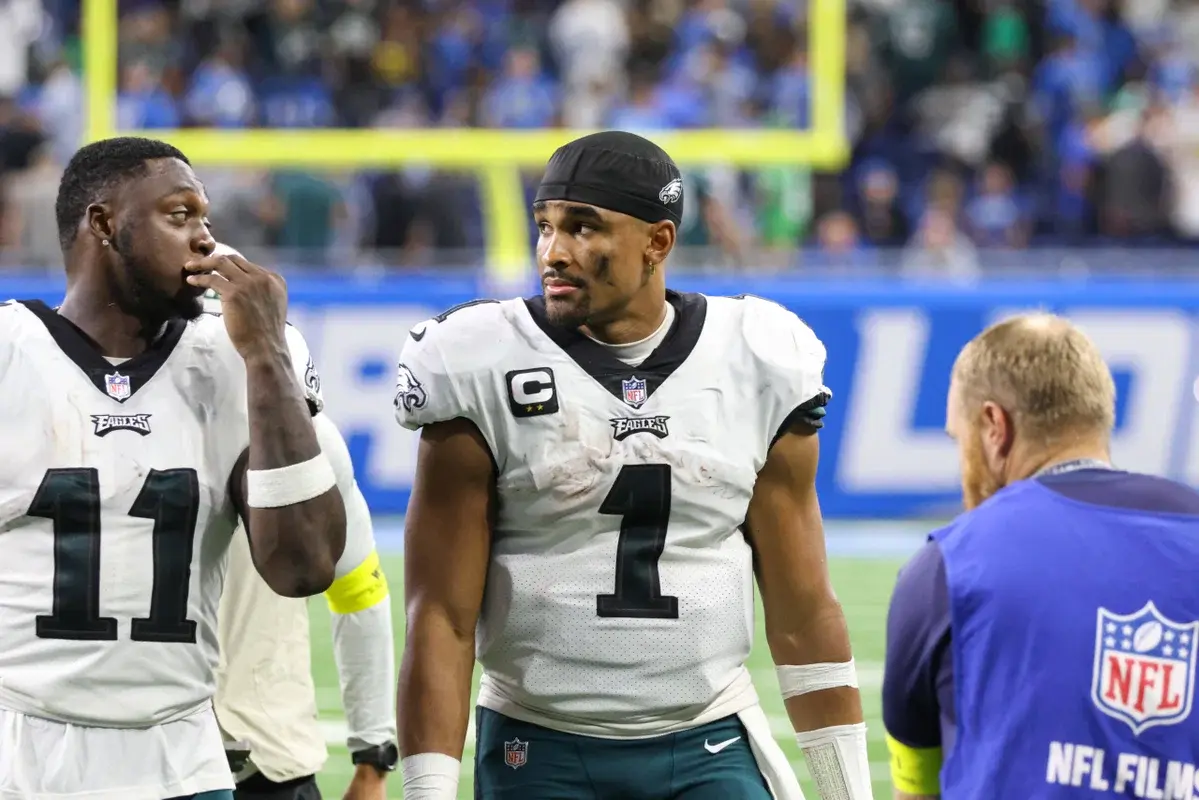 Former NFL Star Predicts Eagles Will Trade Up for Draft Capital After Jalen Hurts Injury
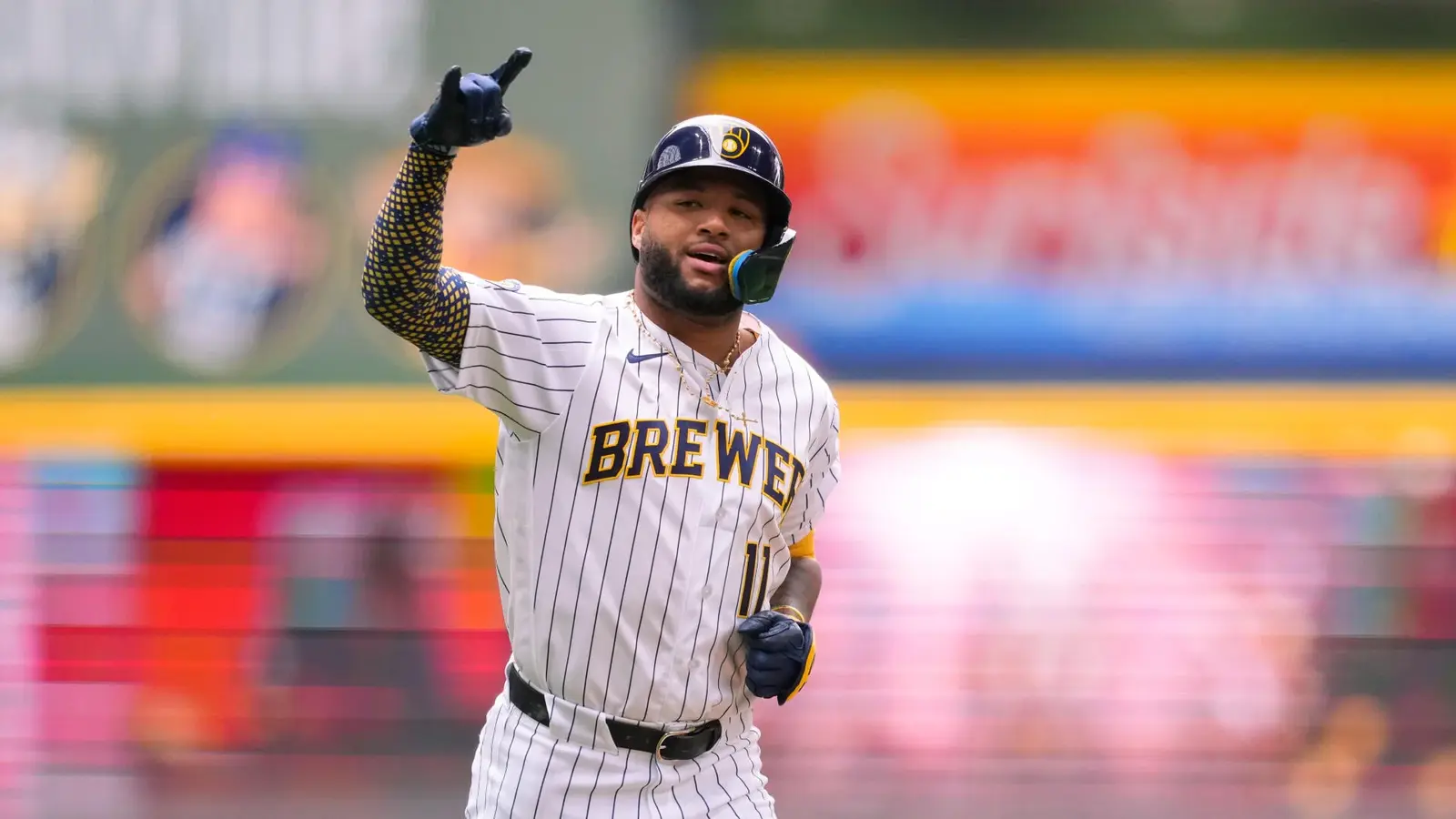 Brewers Eye First World Series Trip Since 1982 in Game 4 Clash With Dodgers
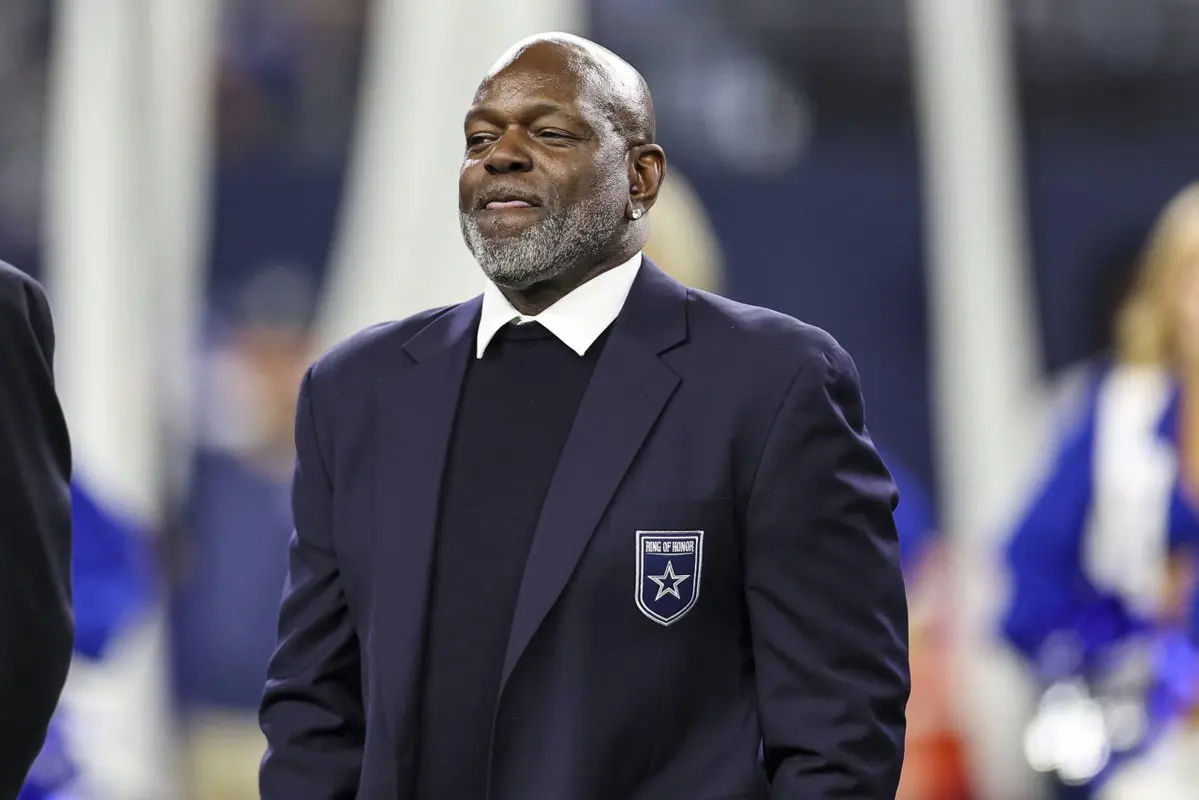 Emmitt Smith Defends Taylor Swift's Presence at Chiefs Games Amid Lip-Reading Debate
Wright and Harris, both former LSU standouts, were invited to a series of NFL tryouts earlier this year after a brief stint in the Canadian Football League. Their hopes were dashed when the league’s officiating committee closed the door on their applications, citing a „lack of roster space” and „insufficient recent game film.” The NFLPA’s statement, released from its Washington office, emphasized that the union will „explore all options” to ensure the players receive fair treatment and any viable pathways to continue their careers. The union’s move follows a broader debate over how the league handles fringe talent and the growing pressure to provide more transparent evaluation processes.
The NFLPA’s commitment suggests the union may consider filing a grievance or pursuing arbitration if it believes the league’s actions violate collective bargaining agreements. Legal experts note that the union could argue the league’s blanket denial without individualized assessment breaches the players’ right to equal opportunity. „If the league is applying a blanket policy that excludes players without clear criteria, the union has a solid basis for a challenge,” said sports attorney Maya Delgado.
Could This Set a Precedent for Future Tryout Policies?
Beyond legal avenues, the union could negotiate for alternative showcase events, such as developmental leagues or partnership programs with the XFL, giving Wright and Harris a platform to demonstrate their abilities. The NFLPA has previously advocated for expanded practice squad slots, a move that could open doors for fringe players seeking to prove themselves.
The situation raises questions about how the NFL will handle similar cases moving forward. Will the league adopt a more structured tryout framework, or will it continue to rely on discretionary decisions that leave many hopeful athletes in limbo? Critics argue that the current system favors established stars and leaves little room for late bloomers.
If the NFLPA succeeds in securing a more transparent process, it could reshape the league’s talent pipeline, encouraging more players from non-traditional backgrounds to pursue professional opportunities. Conversely, a failed challenge might reinforce the status quo, prompting aspiring athletes to seek alternatives abroad or in emerging leagues.
The outcome of this dispute will likely influence contract negotiations in the upcoming collective bargaining cycle, as both sides weigh the value of maintaining a flexible roster system against the need for fairness and competitive balance.
Frequently Asked Questions
What specific actions can the NFLPA take? The union can file a grievance, seek arbitration, or negotiate for alternative showcase events. It may also lobby for policy changes within the league’s collective bargaining agreement.
Why were Wright and Harris denied tryouts? League officials cited limited roster spots and insufficient recent game footage as reasons for the denial, though the exact criteria remain undisclosed.
How might this affect other fringe players? A successful challenge could lead to clearer tryout guidelines and more opportunities for players outside the traditional pipeline, while a loss may reinforce existing barriers.
Content written by David Kim for live-sports-site.com editorial team, AI-assisted.