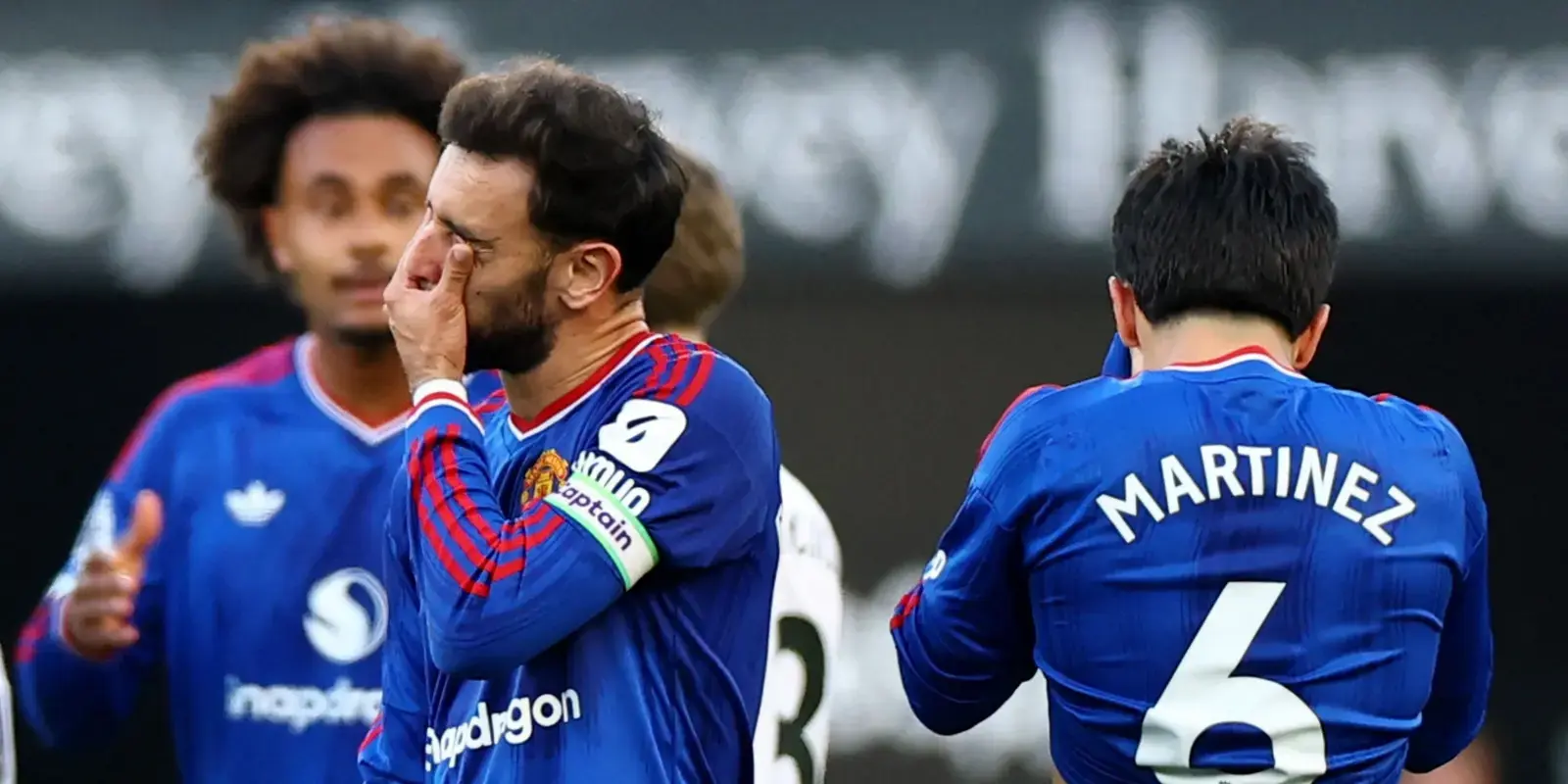
Premier League Teams Ranked by Distance Run Per Match in 2026/27
How Does Training Load Translate to Match Performance?
Manchester United finished the 2026/27 Premier League season ranked 16th among all clubs for average distance covered per match, according to league-wide tracking data released in September. The figures, compiled from player movement analytics across all 38 fixtures, show United's squad averaged slightly below the league median in total kilometres run during games. The ranking reflects ongoing concerns about intensity and work rate under the current managerial setup, particularly in high-pressing systems that demand sustained output. While not the lowest in the division, the position highlights a persistent gap between United and the league’s most physically demanding teams.
Latest news
 Travis Erickson: How to Watch NFL Week 6 – Bengals on Bye, Browns Face Ravens
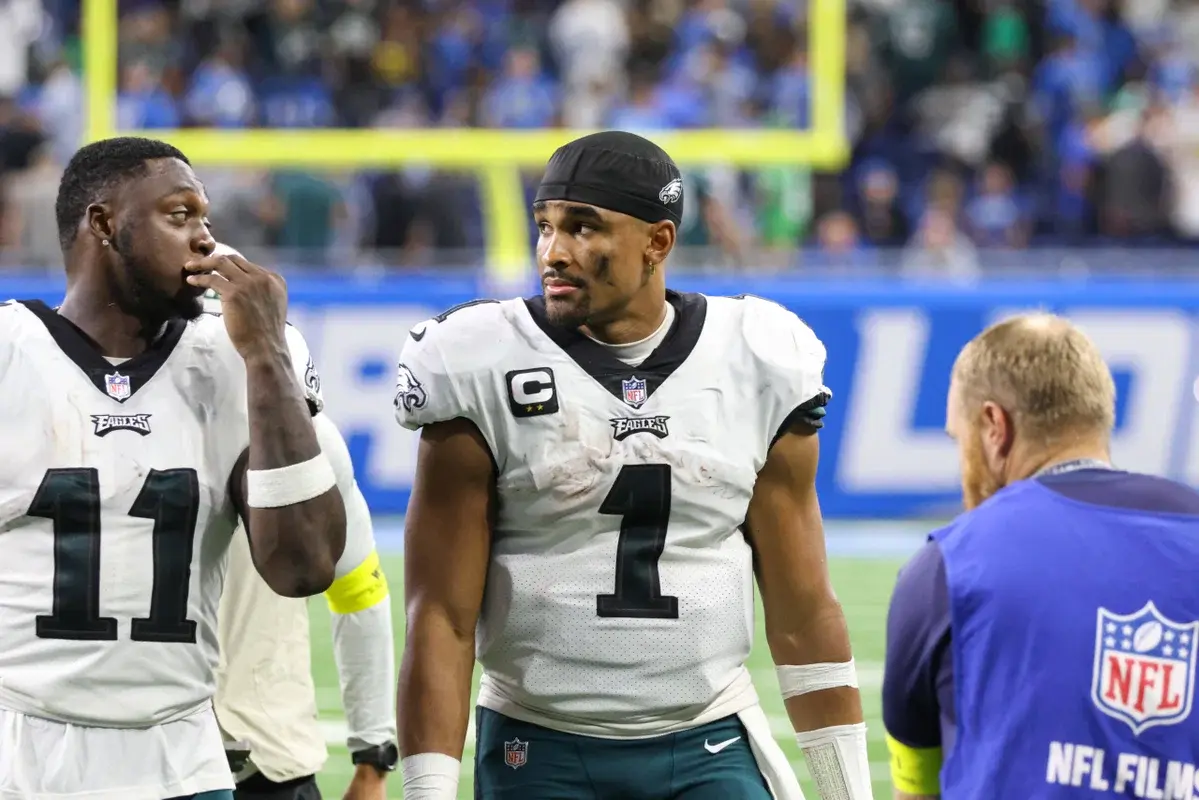 Former NFL Star Predicts Eagles Will Trade Up for Draft Capital After Jalen Hurts Injury
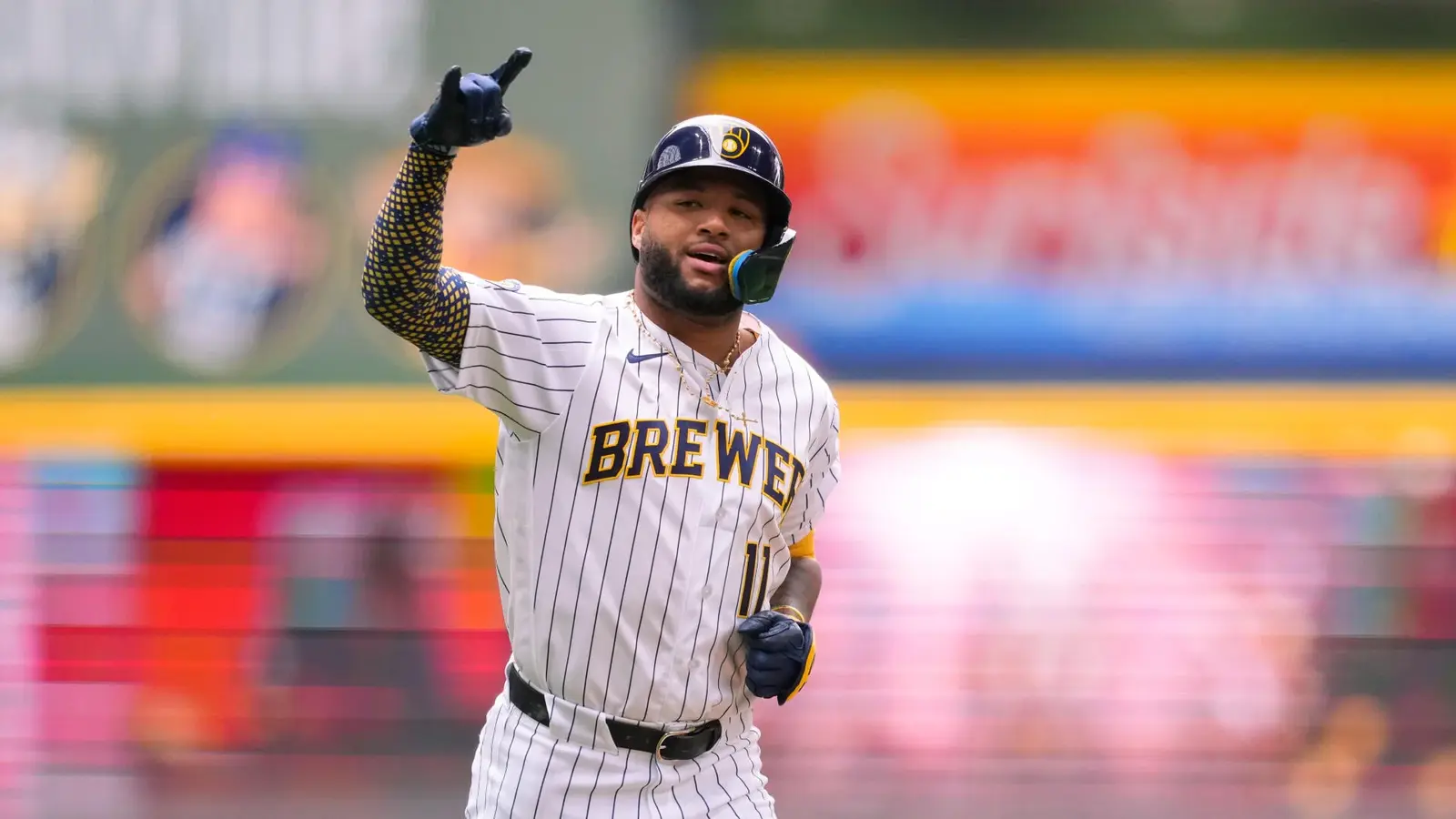 Brewers Eye First World Series Trip Since 1982 in Game 4 Clash With Dodgers
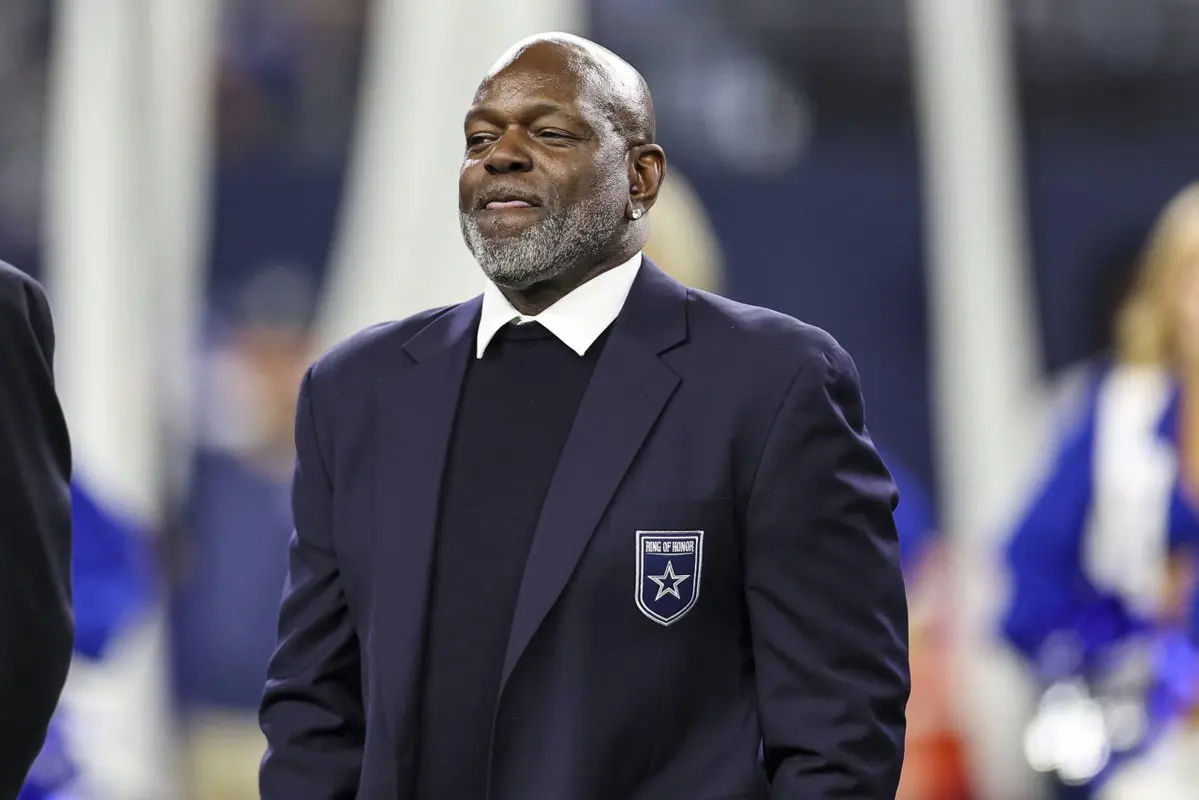 Emmitt Smith Defends Taylor Swift's Presence at Chiefs Games Amid Lip-Reading Debate
The data reveals that top-ranked clubs such as Brighton & Hove Albion and Brentford consistently exceeded 118 kilometres per match, driven by aggressive pressing triggers and high defensive lines. In contrast, United’s average fell just above 112 kilometres, placing them closer to mid-table sides like Fulham and Wolverhampton Wanderers. Analysts note that while individual efforts from players like Bruno Fernandes and Alejandro Garnacho showed strong outputs, collective consistency across the starting XI remained inconsistent. Injury absences and rotational policies also contributed to fluctuating team totals, especially during congested fixture periods. The club’s sports science team has acknowledged the findings, stating they are reviewing tactical approaches to improve collective output without compromising positional discipline.
What Steps Are Being Taken to Improve Fitness Metrics?
United’s coaching staff has emphasized that distance covered alone does not determine effectiveness, pointing to successful lower-output seasons in the club’s history. However, modern pressing systems require high collective mileage to disrupt opponents’ build-up play, particularly against teams that dominate possession. Data from matches against top-six rivals showed United’s distance dropped significantly when unable to force turnovers in the final third, suggesting a link between pressing intensity and physical output. The club has begun integrating more position-specific conditioning drills aimed at improving sprint recovery and repeated effort capacity, particularly for midfielders and full-backs tasked with covering large zones.
In response to the ranking, United has adjusted pre-season preparation to include more game-based conditioning scenarios that simulate high-intensity pressing triggers. GPS data from training sessions is now being cross-referenced with match outputs to identify individual and unit-level deficiencies. The club has also consulted external performance specialists to evaluate whether current recovery protocols are optimising player readiness for back-to-back fixtures. While no major overhaul of playing style has been announced, internal discussions suggest a greater emphasis on collective pressing triggers in training to align physical output with tactical goals. Early signs from friendlies indicate improved cohesion in defensive pressing, though consistency remains a work in progress.
Why does distance covered matter in modern football? High distance covered often reflects a team’s ability to press aggressively, cover defensive gaps, and sustain intensity throughout a match, especially in systems that rely on forcing errors high up the pitch.
Frequently Asked Questions
Is Manchester United’s ranking a cause for concern? While not alarming on its own, the 16th-place ranking suggests room for improvement in physical consistency, particularly if the club aims to compete with teams that use pressing as a core tactical weapon.
Can improved running distance directly lead to better results? Not guaranteed, but increased collective output can enhance tactical execution, reduce defensive vulnerabilities, and create more transition opportunities when aligned with strategic pressing triggers.
Content written by Matthew Guyett for live-sports-site.com editorial team, AI-assisted.