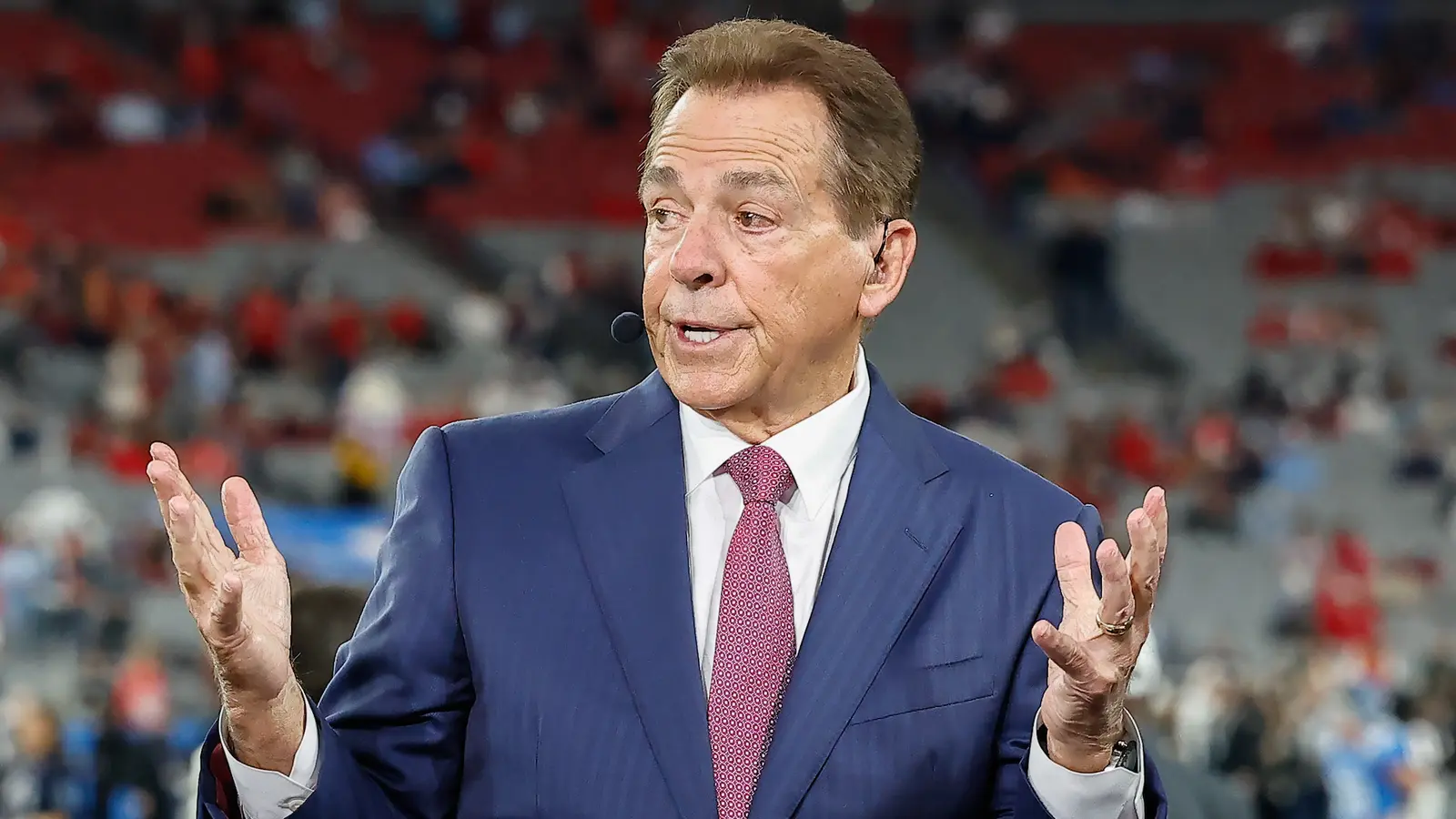
Saban Critiques Salary Cap Plans, Highlights Market Differences
Saban’s Market Metaphor: Players vs. Coaches
Nick Saban, the six‑time national champion coach, weighed in on the new Protect College Sports Act, which now allows the NCAA to impose a $50 million salary cap on athlete compensation. The bill also earmarks $22.5 million for player retention programs and $5 million for additional support. Saban argued that coaches and players operate in distinct markets and that the proposed cap could distort those differences.
Latest news
 Travis Erickson: How to Watch NFL Week 6 – Bengals on Bye, Browns Face Ravens
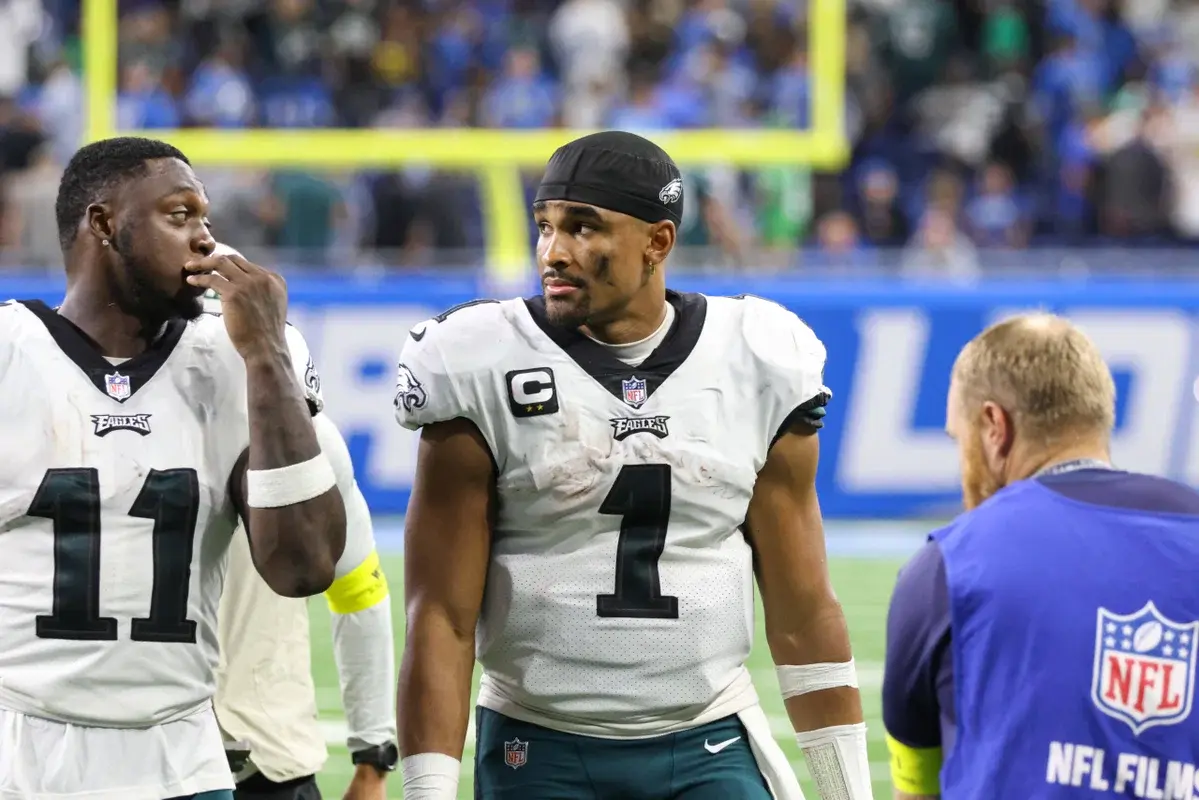 Former NFL Star Predicts Eagles Will Trade Up for Draft Capital After Jalen Hurts Injury
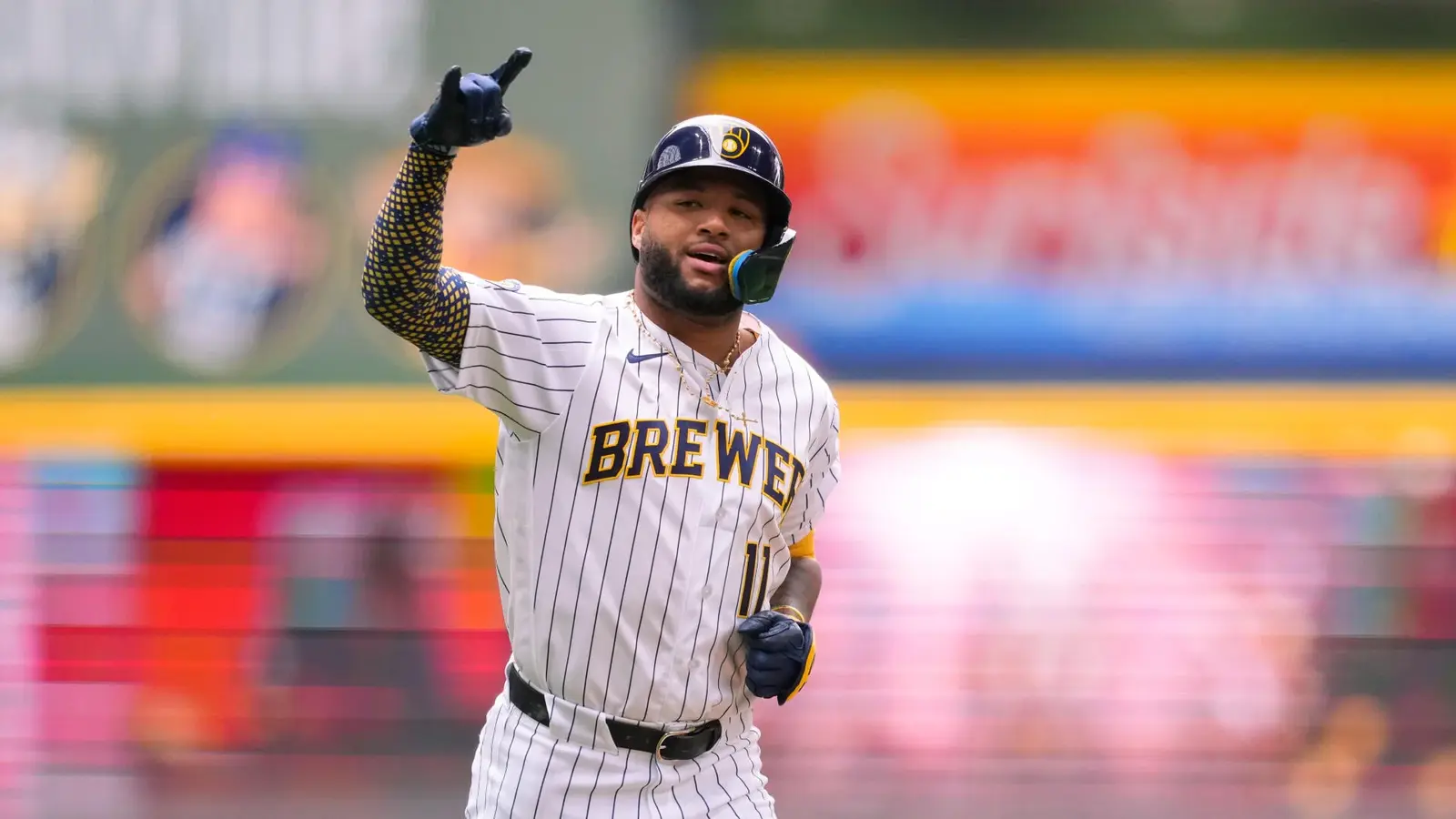 Brewers Eye First World Series Trip Since 1982 in Game 4 Clash With Dodgers
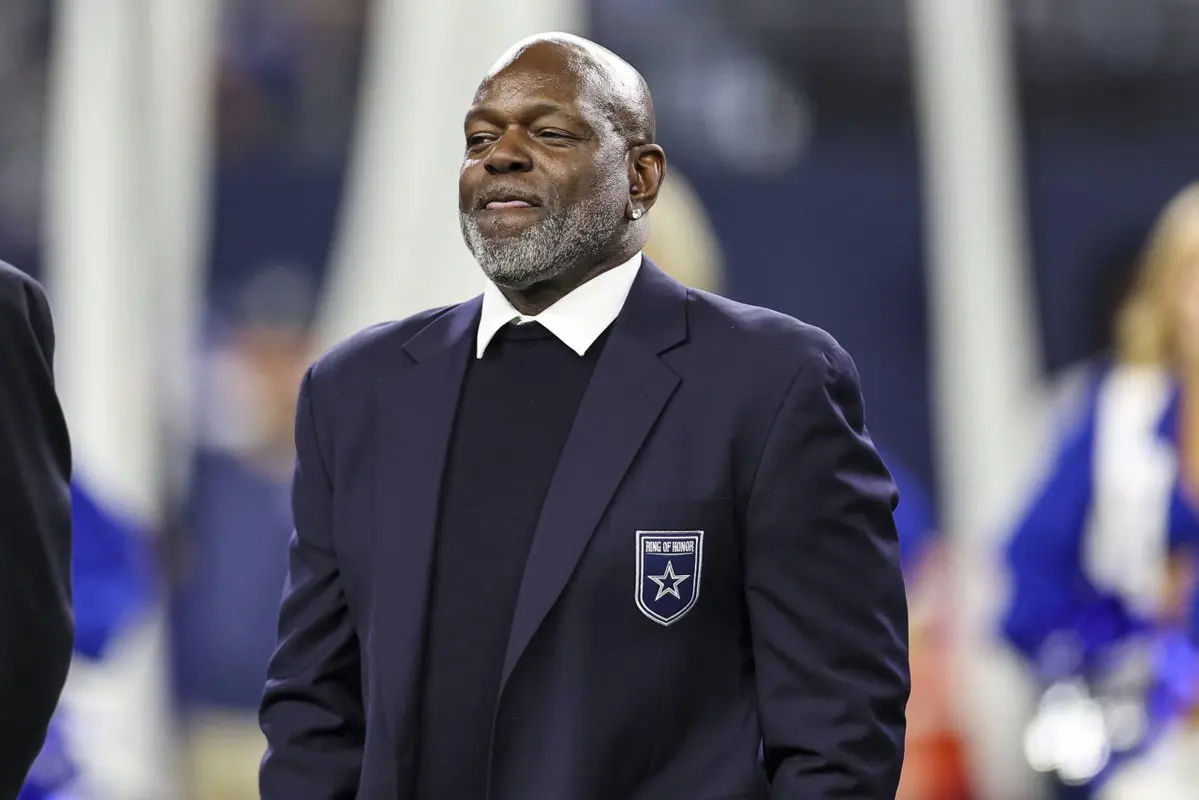 Emmitt Smith Defends Taylor Swift's Presence at Chiefs Games Amid Lip-Reading Debate
The Act’s passage marks a turning point for college football economics. By granting the NCAA legal authority to enforce the cap, lawmakers aim to curb escalating costs and create a more level playing field. Saban believes such a cap would disadvantage programs that already struggle to attract top talent, especially in smaller conferences.
Saban likened the current situation to a „student scholarship” versus „professor pay” debate. He said that scholarships are meant to cover education, not to pay athletes like professional players. „We’re not in the same market,” he said. „Coaches earn based on performance and revenue, while players receive a stipend that should be capped.” The coach’s point was that a blanket salary cap ignores the nuanced economics of recruiting, training, and fan engagement.
Legislative Milestone and Its Implications
Saban also warned that a rigid cap could harm programs that rely on high‑profile athletes to drive ticket sales and media rights. He suggested that schools should have flexibility to offer competitive packages within the new framework. „We need a system that rewards excellence without stifling opportunity,” he added.
The Protect College Sports Act now moves beyond debate and into enforcement. The $50 million cap will be divided into several categories: a $22.5 million allocation for player retention, $5 million for compliance, and the remainder for other athlete benefits. This structure aims to balance financial oversight with support for student‑athletes.
If implemented, the cap could reshape recruiting strategies. Programs may have to focus more on academic appeal and less on financial incentives. Smaller schools could gain a competitive edge, while larger programs might face pressure to reduce spending on athletes. The NCAA will monitor compliance and adjust the cap as needed.
What Happens Next?
The bill also includes provisions for transparency and reporting. Schools will be required to disclose how they allocate funds, ensuring accountability. Critics argue that the cap still leaves room for loopholes, but supporters say it is a step toward fairness.
The next phase involves drafting the NCAA’s enforcement guidelines. Coaches, athletic directors, and players will need to adapt to new financial rules. The NCAA may hold workshops to explain the cap’s mechanics. Saban remains skeptical but open to dialogue. He hopes the final rules will protect athletes while preserving the sport’s competitive integrity.
Ultimately, the cap’s success will depend on its flexibility and the willingness of all stakeholders to cooperate. If the NCAA can balance cost control with athlete support, college football may enter a more sustainable era. If not, the sport could face further polarization and legal challenges.
Frequently Asked Questions
Q1: What is the Protect College Sports Act? A1: It is a law that allows the NCAA to enforce a $50 million salary cap on athlete compensation, with specific allocations for retention and compliance.
Q2: Why did Nick Saban criticize the cap? A2: He said coaches and players operate in different markets and that a blanket cap could unfairly limit programs’ ability to attract top talent.
Q3: How will the cap be enforced? A3: The NCAA will create guidelines, require schools to report fund usage, and monitor compliance through audits and penalties.
Content written by Brad Crawford for live-sports-site.com editorial team, AI-assisted.