
SEC Files Federal Lawsuit Against LSU Over Pro Athlete Return Plan
Legal Challenges to the Hybrid Athlete Model
The Southeastern Conference has filed a federal lawsuit against Louisiana State University. This legal action challenges LSU’s proposal to allow National Football League players to return to college teams. The suit marks a significant escalation in the long-running debate regarding athlete eligibility. It tests whether professional athletes can compete in collegiate sports without losing their amateur status. The case will determine the future structure of major college athletics programs.
Latest news
 Travis Erickson: How to Watch NFL Week 6 – Bengals on Bye, Browns Face Ravens
 Former NFL Star Predicts Eagles Will Trade Up for Draft Capital After Jalen Hurts Injury
 Brewers Eye First World Series Trip Since 1982 in Game 4 Clash With Dodgers
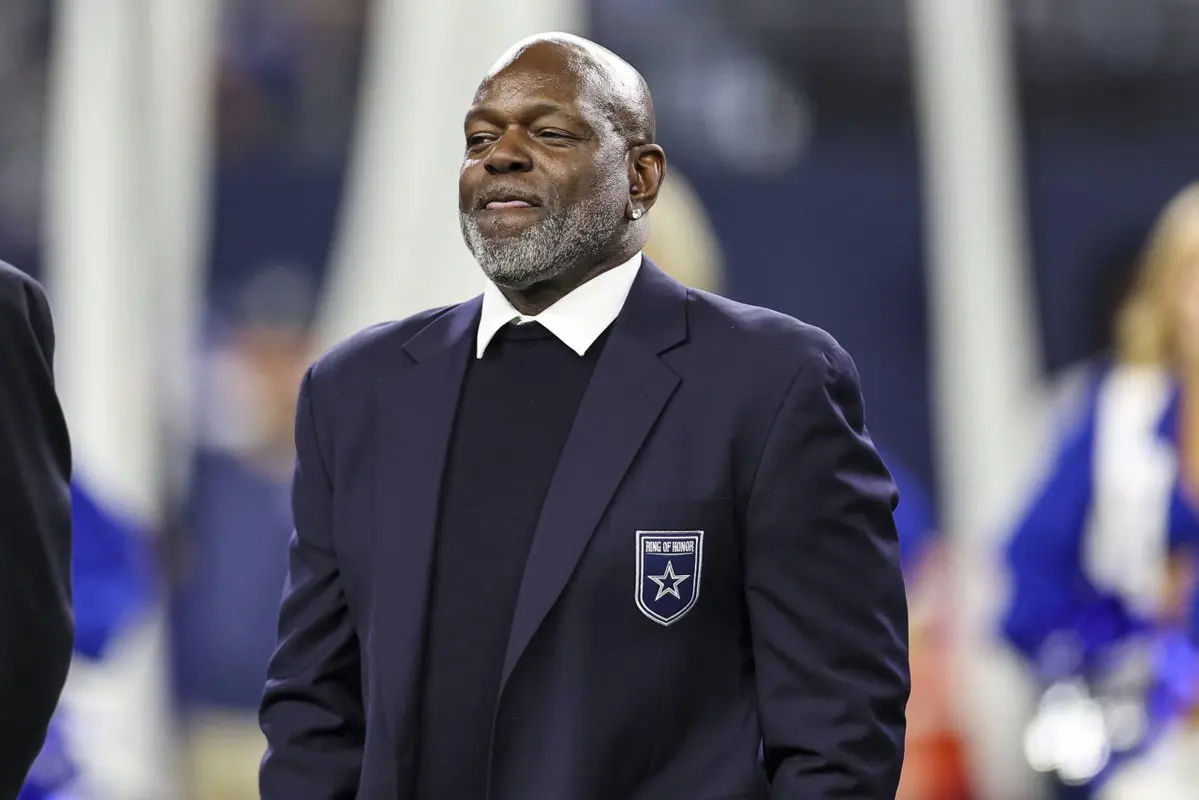 Emmitt Smith Defends Taylor Swift's Presence at Chiefs Games Amid Lip-Reading Debate
The SEC argues that LSU’s plan violates existing conference rules and federal regulations. By allowing active NFL players to join college rosters, the university disrupts the traditional competitive balance. The league contends this move creates an uneven playing field for other member schools. They seek a court order to stop the initiative until all legal questions are resolved. This strategy aims to protect the integrity of the conference championship race.
The core of the dispute centers on the definition of an amateur athlete. Current NCAA bylaws generally prohibit individuals who have signed professional contracts from competing in college sports. LSU believes its specific arrangement bypasses these restrictions through a unique waiver system. The SEC claims this waiver was not properly authorized by the governing bodies. Legal experts note that this case could set a precedent for other major conferences. If the court sides with the SEC, similar plans elsewhere may face immediate hurdles. The outcome will influence how universities recruit and manage player rosters for years to come.
Will Courts Define New Eligibility Standards?
Judges must now interpret complex sports law alongside federal contract principles. The court will examine whether the SEC had the authority to block this specific initiative. They will also review if LSU’s plan aligns with broader labor laws affecting professional workers. A ruling in favor of the conference would reinforce current eligibility standards. Conversely, a victory for LSU could open the door for widespread adoption of hybrid rosters. This legal battle highlights the tension between tradition and innovation in modern sports. Stakeholders are closely watching the docket for early procedural decisions.
The final verdict will reshape the landscape of American college football. Universities may need to revise their recruiting strategies based on the court’s interpretation. Professional leagues might adjust their draft rules to accommodate potential college stints. Fans and athletes alike await clarity on when professional careers can intersect with campus life. This lawsuit represents a pivotal moment in the evolution of sports governance. The next few months will be critical for determining the path forward.
Frequently Asked Questions
Why did the SEC sue LSU specifically? The SEC believes LSU’s plan to sign NFL players violates established conference bylaws. The league argues the university acted without proper authorization from governing bodies.
Can professional players currently play in college? Generally, no, unless they hold specific waivers or meet rare eligibility exceptions. Most active professionals must wait until retirement to compete in collegiate sports.
What happens if the court rules for LSU? A win would validate the use of professional athletes in college rosters. Other conferences might follow suit, fundamentally changing team compositions.
Content written by Maria Santos for live-sports-site.com editorial team, AI-assisted.