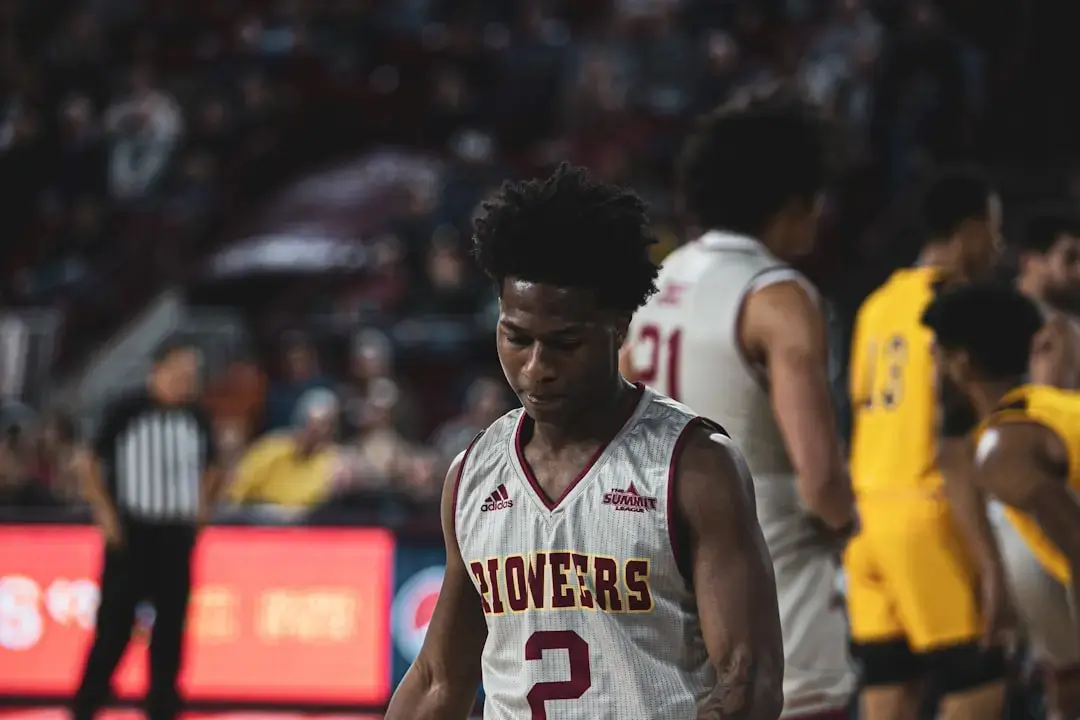
Sjarif Goldstein: NCAA needs administrator to deal with football chaos straightaway
This fragmentation prevents consistent policies on player compensation
College football faces mounting pressure from NIL deals, transfer portal activity, and legalized gambling as Week 1 concludes. The sport’s governing body must act quickly to address growing instability before the season progresses further. SMU and Florida State prepare for their ACC clash, marking the final major game of the opening weekend. The current environment creates confusion for athletes, coaches, and administrators navigating inconsistent rules across states and conferences. Without centralized oversight, disparities in NIL compensation and transfer eligibility continue to widen. Goldstein argues that inventing new problems distracts from solving existing ones that demand immediate attention. Why Centralized Leadership Is Missing in College Football The NCAA lacks a dedicated administrator with authority to enforce uniform standards in football operations. Conference commissioners and school leaders often prioritize regional interests over national coherence.
Latest news
 Travis Erickson: How to Watch NFL Week 6 – Bengals on Bye, Browns Face Ravens
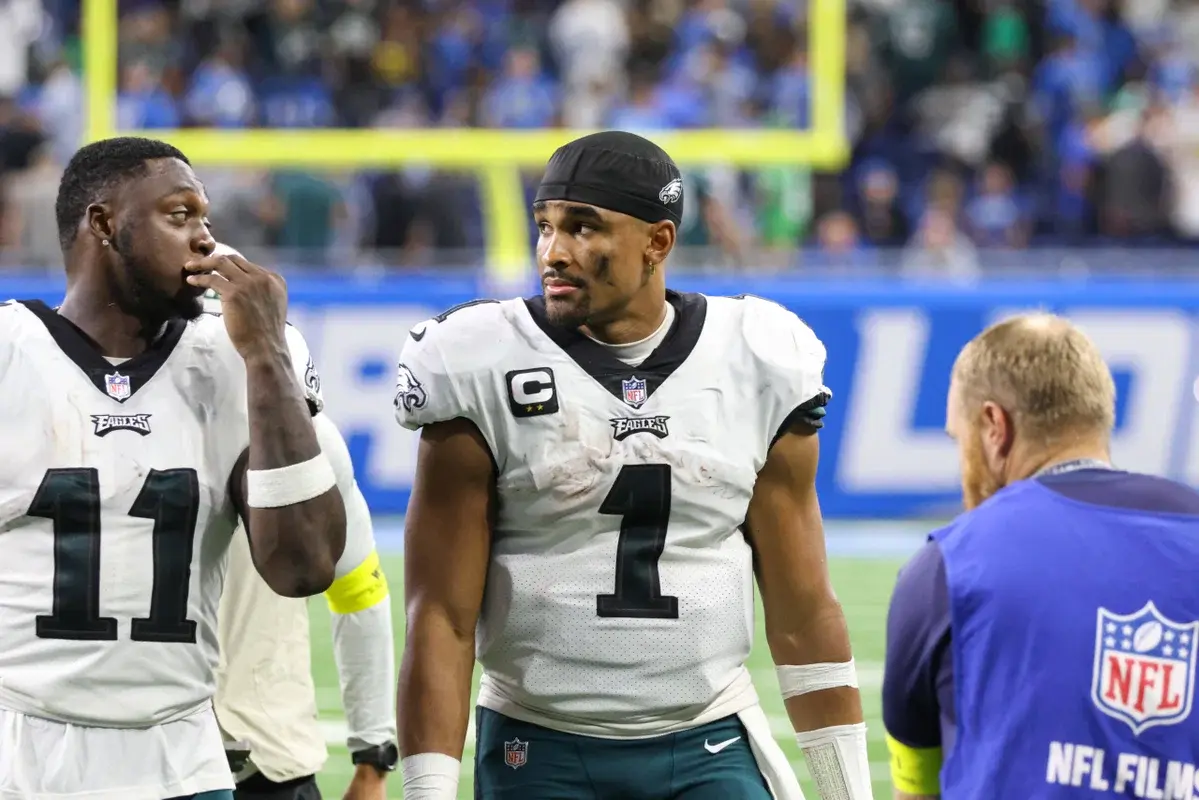 Former NFL Star Predicts Eagles Will Trade Up for Draft Capital After Jalen Hurts Injury
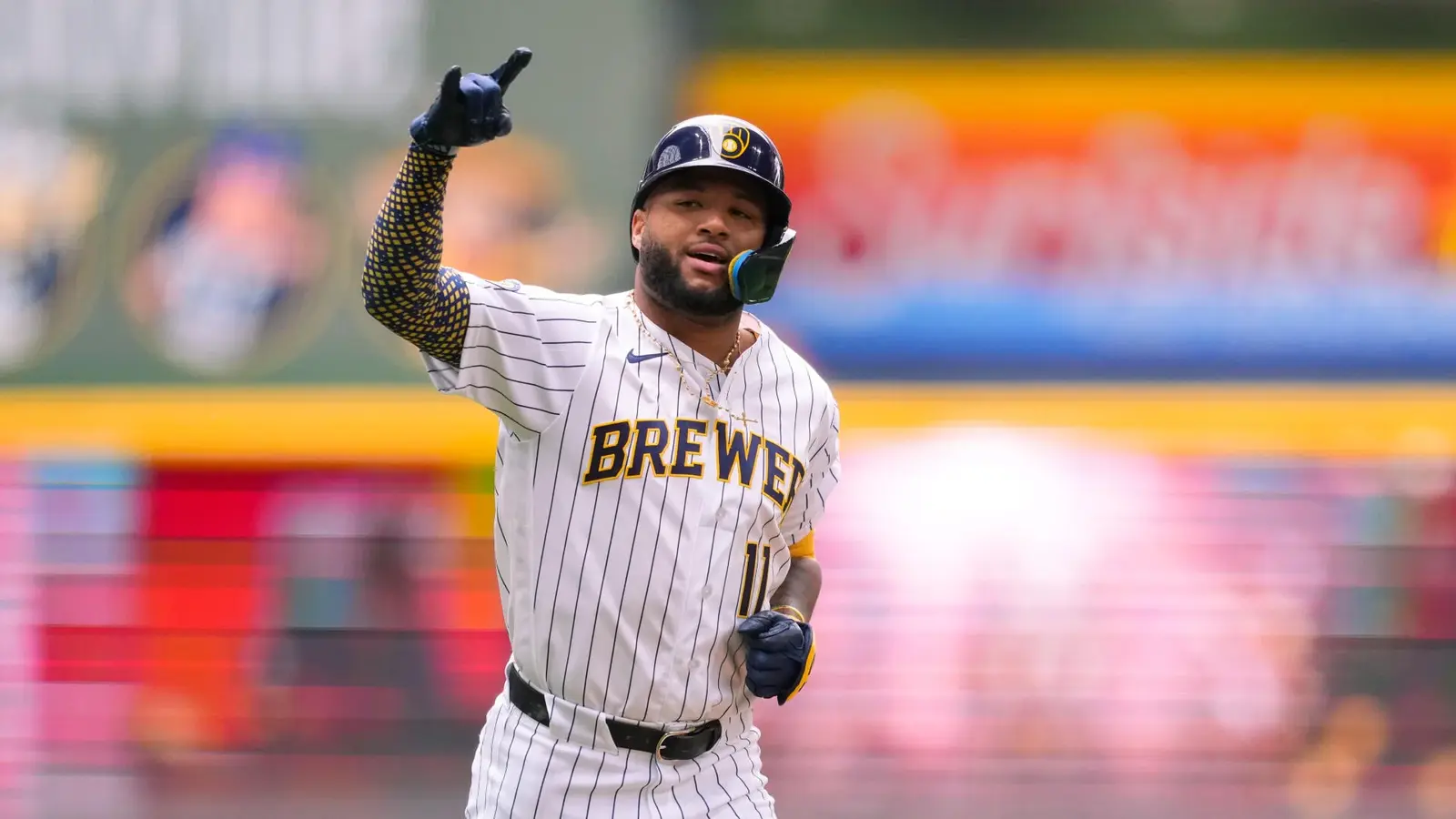 Brewers Eye First World Series Trip Since 1982 in Game 4 Clash With Dodgers
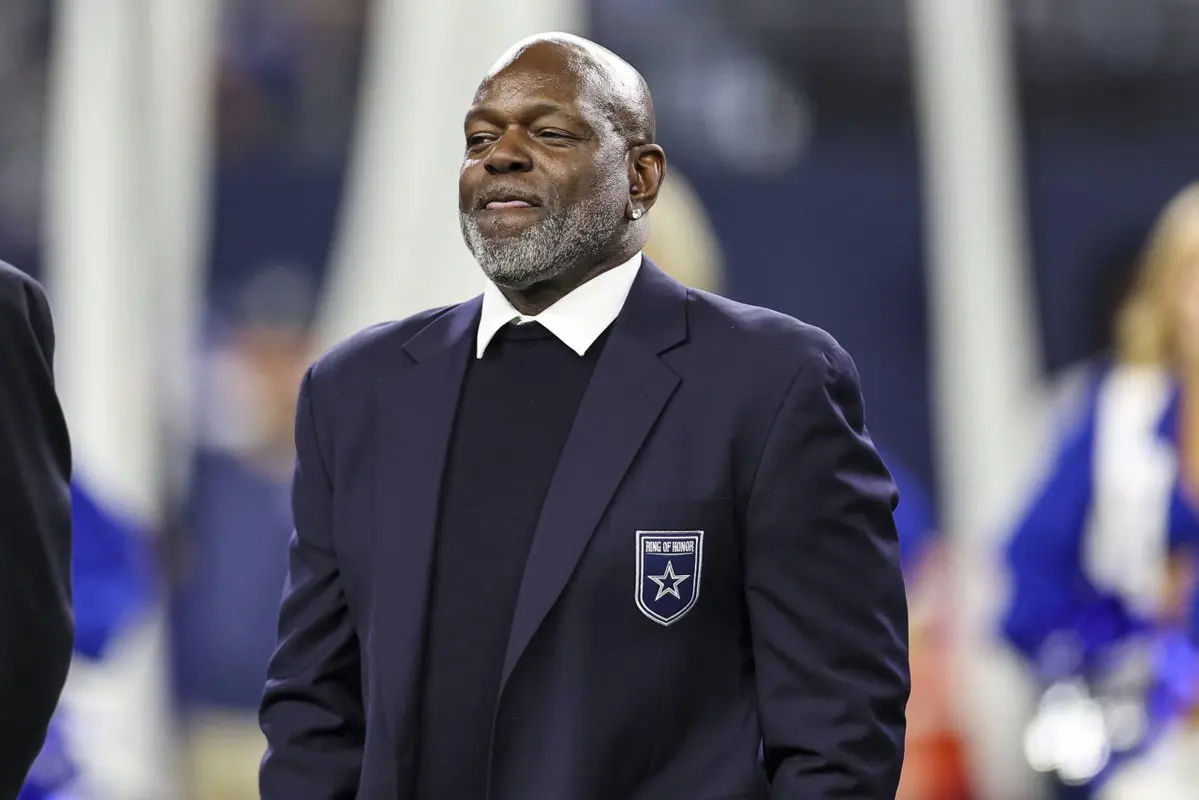 Emmitt Smith Defends Taylor Swift's Presence at Chiefs Games Amid Lip-Reading Debate
This fragmentation prevents consistent policies on player compensation, recruitment timelines, and gambling integration. What Happens If No One Steps In Soon? Without intervention, recruiting chaos could escalate, leading to more last-minute decommitments and roster instability. Athletes may face exploitation amid unclear NIL guidelines, while fans grow frustrated with unpredictable team compositions. Legal challenges over gambling partnerships could also increase without clear regulatory boundaries. Frequently Asked Questions Who should oversee college football reform according to Goldstein? Goldstein suggests the NCAA appoint a dedicated administrator focused solely on football governance to bring order to NIL, transfers, and gambling issues. Why is Week 1 significant in assessing college football’s current state? Week 1 reveals early trends in player movement and team performance, highlighting how offseason changes impact on-field competitiveness. What risks exist if the NCAA delays action on football administration?
Delayed action risks worsening inequities between programs, increasing legal vulnerabilities, and eroding public trust in the sport’s integrity.
Content written by Chris Morgan for live-sports-site.com editorial team, AI-assisted.