
Swinney Criticizes LSU’s Move, But His Own Record Hurts His Credibility
The Hypocrisy of Coaching Standards
Clemson head coach Dabo Swinney publicly criticized LSU for signing former NFL players, a move he argues undermines the traditional college football pipeline. Speaking during a media event in Charlotte, North Carolina, Swinney expressed concern that the Tigers’ strategy shifts the balance of power in the sport. His comments landed on September 1, 2026, sparking immediate debate among coaches and fans across the SEC and ACC.
Latest news
 Travis Erickson: How to Watch NFL Week 6 – Bengals on Bye, Browns Face Ravens
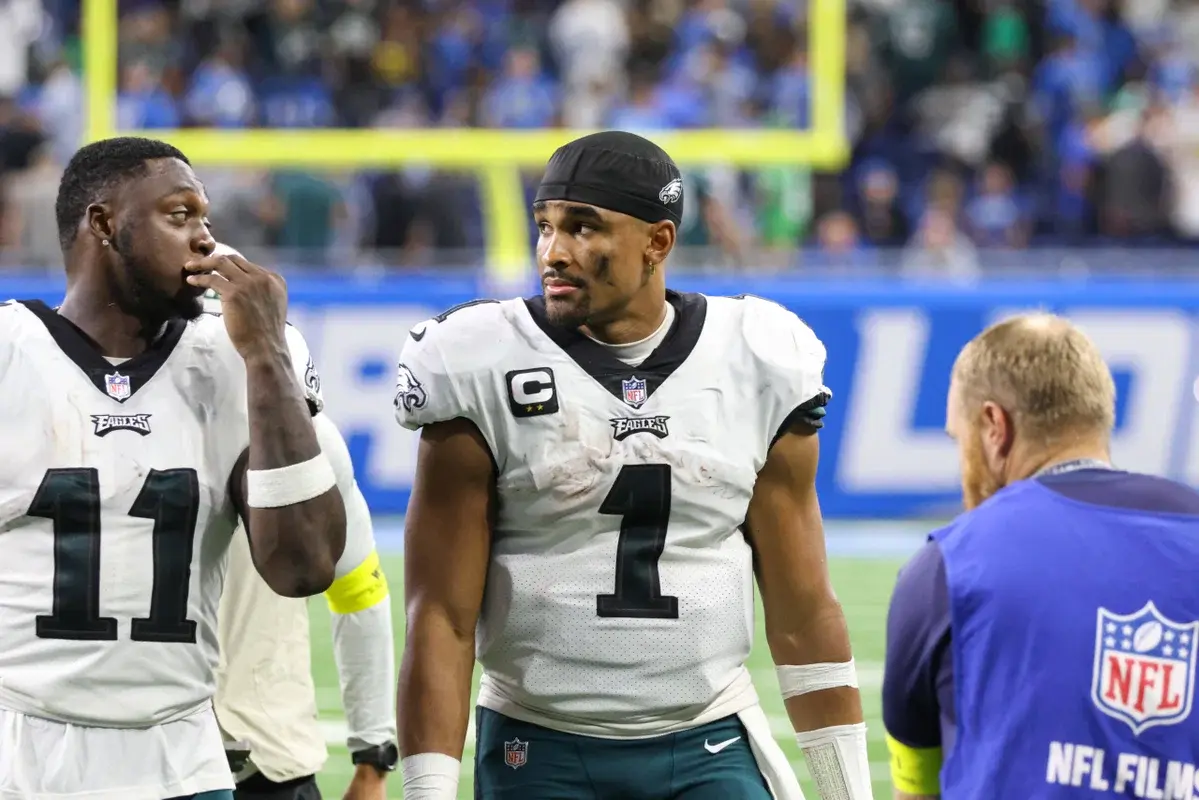 Former NFL Star Predicts Eagles Will Trade Up for Draft Capital After Jalen Hurts Injury
 Brewers Eye First World Series Trip Since 1982 in Game 4 Clash With Dodgers
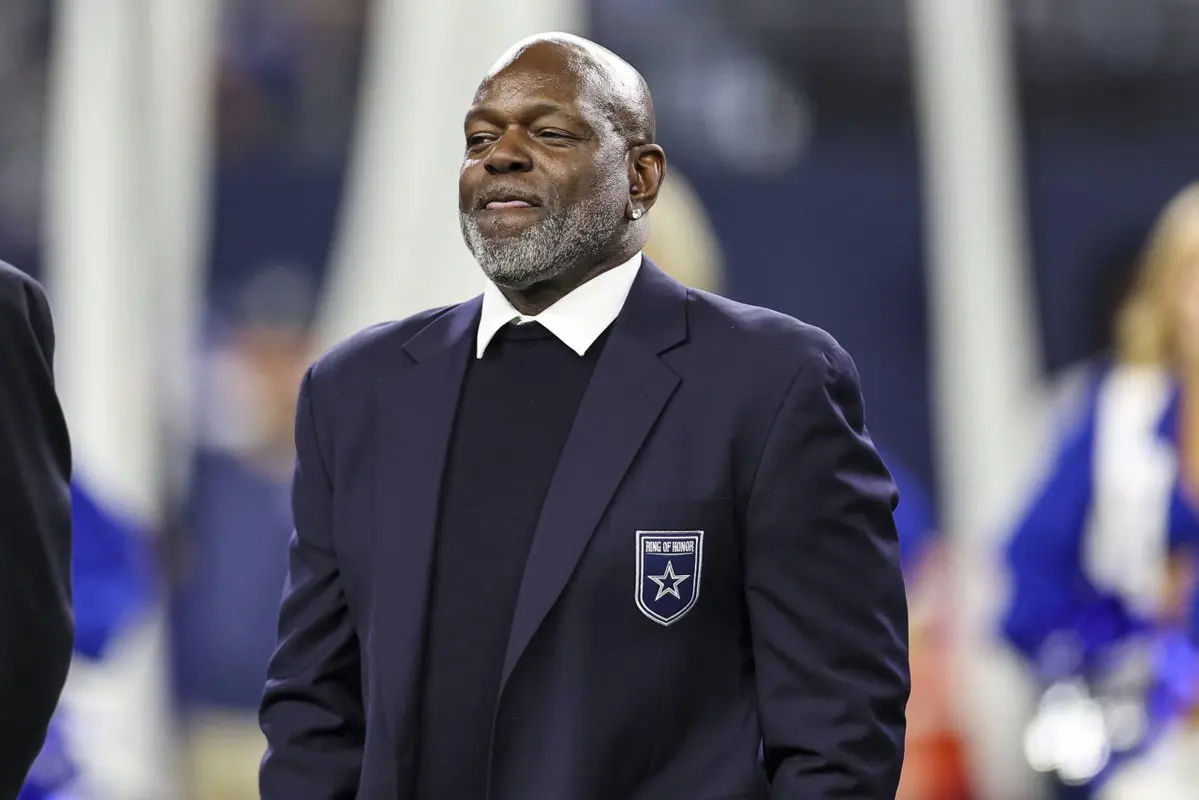 Emmitt Smith Defends Taylor Swift's Presence at Chiefs Games Amid Lip-Reading Debate
The controversy centers on LSU’s aggressive recruitment of athletes who have already played in the pros. Swinney believes this trend dilutes the developmental aspect of college football. He suggests that bringing in veterans changes the competitive landscape significantly. However, critics point out that Swinney’s own program has utilized similar strategies in recent years. This contradiction weakens his argument, making his criticism feel less like a principled stand and more like a tactical complaint.
Swinney’s stance raises questions about consistency in college football leadership. While he praises the purity of recruiting high school talent, his team has benefited from experienced players in the past. Observers note that many top programs now blend fresh recruits with seasoned professionals. This hybrid approach allows teams to compete immediately while still developing younger athletes. Swinney’s objection appears selective, targeting only the program currently gaining an advantage over his rivals.
Why Does Swinney’s Background Matter?
LSU’s decision reflects a broader shift in how universities view player eligibility. The NCAA rules have evolved to accommodate players returning from professional leagues. Coaches argue that these athletes bring maturity and game intelligence that raw recruits lack. By signing former NFL players, LSU aims to secure a competitive edge in the upcoming season. They hope to leverage experience to win key games against top-tier opponents.
The timing of Swinney’s remarks adds fuel to the fire. As a prominent figure in college football, his words carry significant weight. Yet, his history complicates the narrative. Fans and analysts are scrutinizing whether his criticism is genuine or strategic. If he opposes the practice now, why did he not object when other teams employed it? This inconsistency is central to the ongoing discussion.
Supporters of Swinney argue that every program must protect its interests. They believe he is simply voicing concerns that many coaches share privately. Opponents counter that public criticism requires personal integrity. When the critic has participated in the same behavior, the message loses impact. The debate highlights the tension between tradition and modern adaptation in the sport.
Frequently Asked Questions
Did Swinney say LSU broke the rules? No, Swinney did not claim LSU violated any specific regulations. He argued that the overall effect of signing ex-pros is negative for the long-term health of college football. His critique focused on the philosophy rather than technical rule violations.
How many former NFL players has LSU signed? The exact number varies by reporting, but the focus is on the strategic intent behind the signings. The key issue is not just the count, but the precedent set by allowing such players to compete at the collegiate level.
Will other coaches join Swinney’s criticism? It is likely that other head coaches will voice similar concerns. However, they may do so more quietly until their own teams face similar challenges. Public consensus remains divided on the best path forward.
Content written by Maria Santos for live-sports-site.com editorial team, AI-assisted.