
The Shift Toward Individual Icons Over Club Loyalty
The Rise of the Traveling Supporter
Modern football fans are increasingly prioritizing individual superstars over traditional club allegiances. From Lionel Messi’s move to Inter Miami to the global obsession with Erling Haaland and Jude Bellingham, supporters are following players across leagues and continents. This trend marks a significant departure from the localized, lifelong loyalty that defined the sport for decades.
Latest news
 Travis Erickson: How to Watch NFL Week 6 – Bengals on Bye, Browns Face Ravens
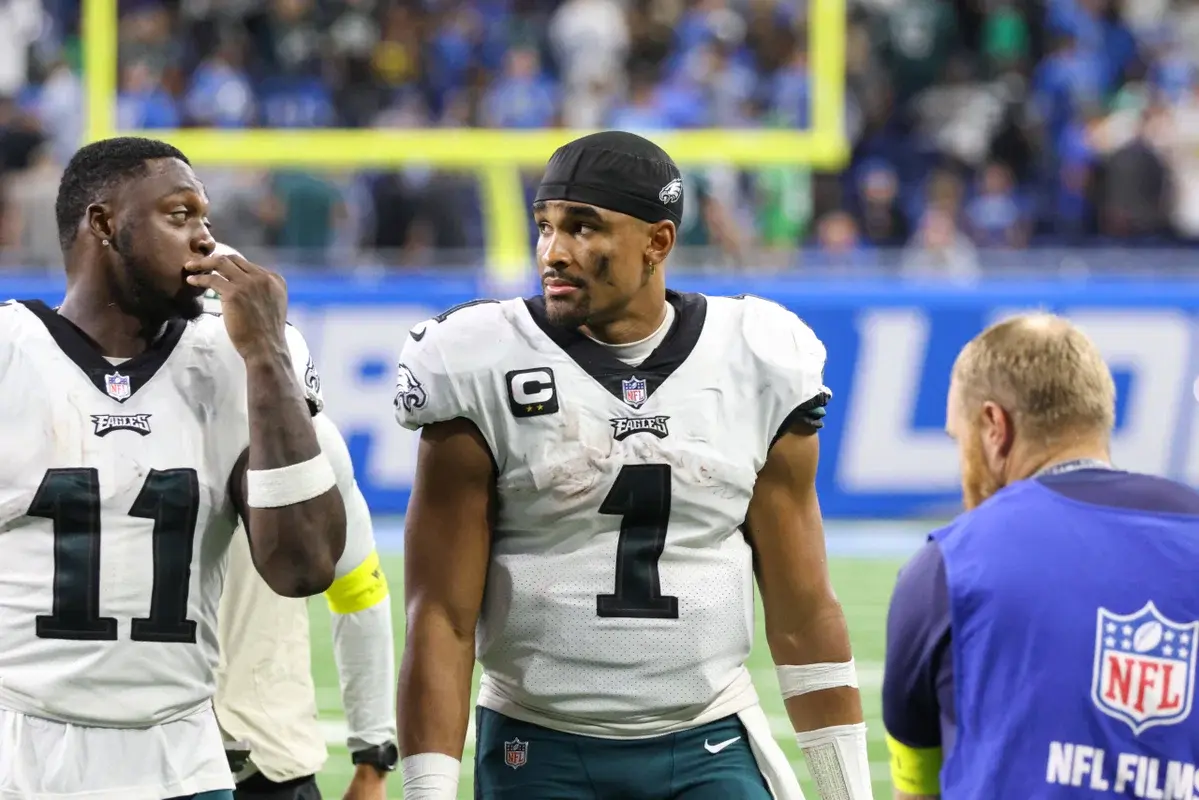 Former NFL Star Predicts Eagles Will Trade Up for Draft Capital After Jalen Hurts Injury
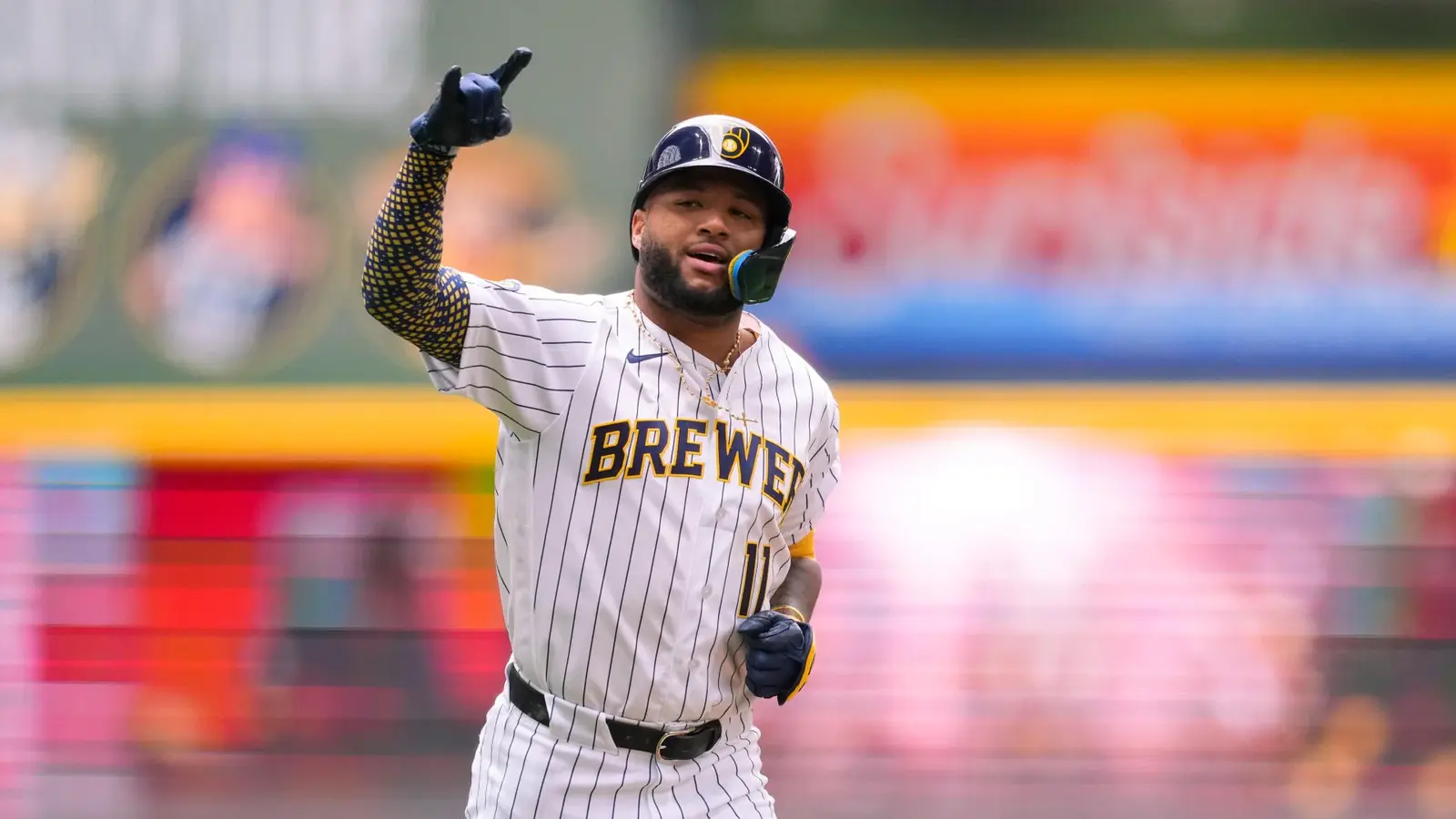 Brewers Eye First World Series Trip Since 1982 in Game 4 Clash With Dodgers
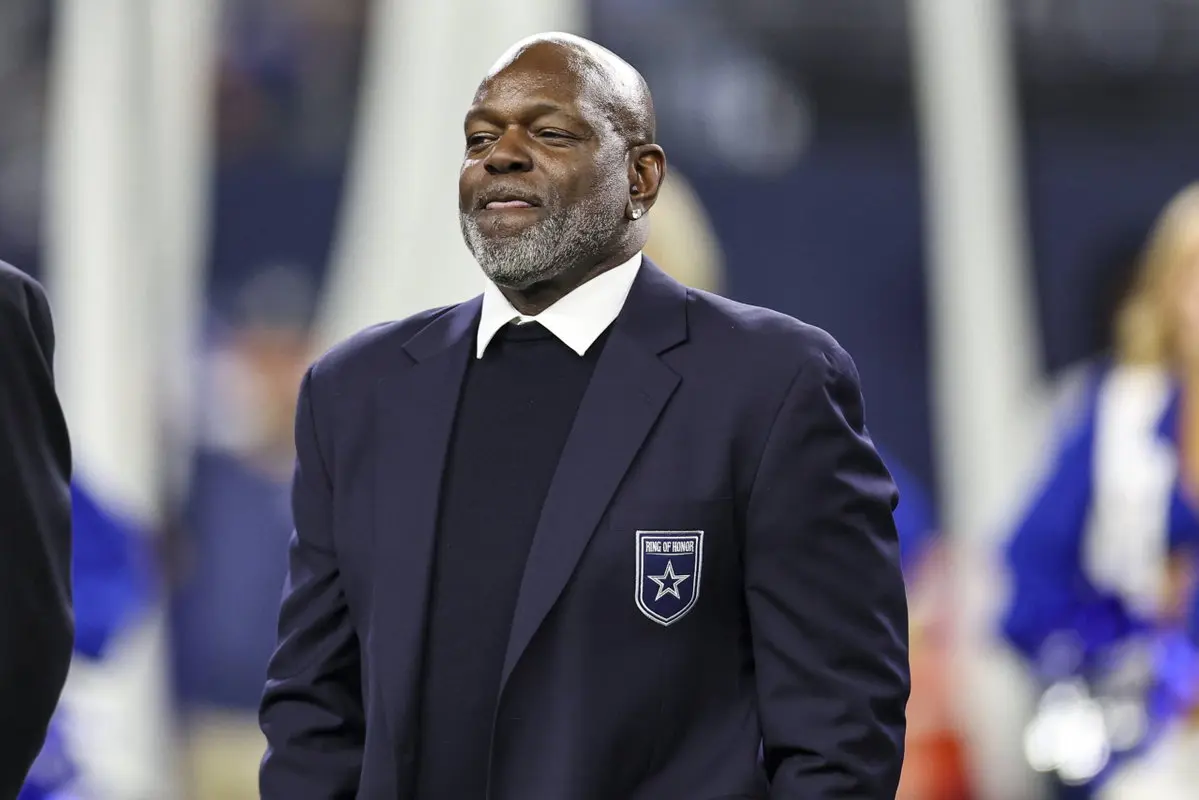 Emmitt Smith Defends Taylor Swift's Presence at Chiefs Games Amid Lip-Reading Debate
The rise of digital media has accelerated this transformation. Fans can now track a player’s personal milestones, lifestyle, and social media presence with ease. When a top-tier talent changes teams, their dedicated followers often shift their interest to the new club instantly. This creates a transient fanbase that prioritizes the star's career trajectory over the historic identity of the organization itself.
Marketing strategies have shifted to capitalize on this phenomenon. Clubs now design kits and merchandise specifically to highlight marquee signings, turning players into global brands. When Messi arrived in Florida, the immediate surge in viewership and ticket sales proved that the player had become a bigger draw than the league or the team.
Is Club Identity Fading Away?
This behavior is particularly evident among younger demographics. These fans are less likely to inherit a family club preference and more likely to admire the skill and narrative of specific athletes. As players move more frequently between elite European clubs, the star-firstmodel continues to erode the traditional foundations of fan loyalty.
The long-term impact of this shift remains a point of contention for traditionalists. While clubs benefit from the massive revenue and exposure that stars bring, the loss of a stable, permanent fanbase presents a challenge. If a team relies solely on a star to drive interest, what happens when that player eventually departs or retires?
Frequently Asked Questions
The landscape of professional sports is becoming a collection of personal brands rather than a competition between historic institutions. As the influence of individual icons grows, the traditional bond between a city and its local club may become a secondary concern for the next generation of football enthusiasts.
Why are fans prioritizing players over clubs? Modern digital platforms allow fans to follow individual narratives and personal brands more easily than ever before. This creates a stronger emotional connection to the athlete's journey than to the club’s history.
Does this trend hurt local football clubs? It creates a volatile environment where interest fluctuates based on high-profile transfers. While it brings short-term financial gains, it risks undermining the long-term, stable support base that defines a club's identity.
Content written by David Kim for live-sports-site.com editorial team, AI-assisted.