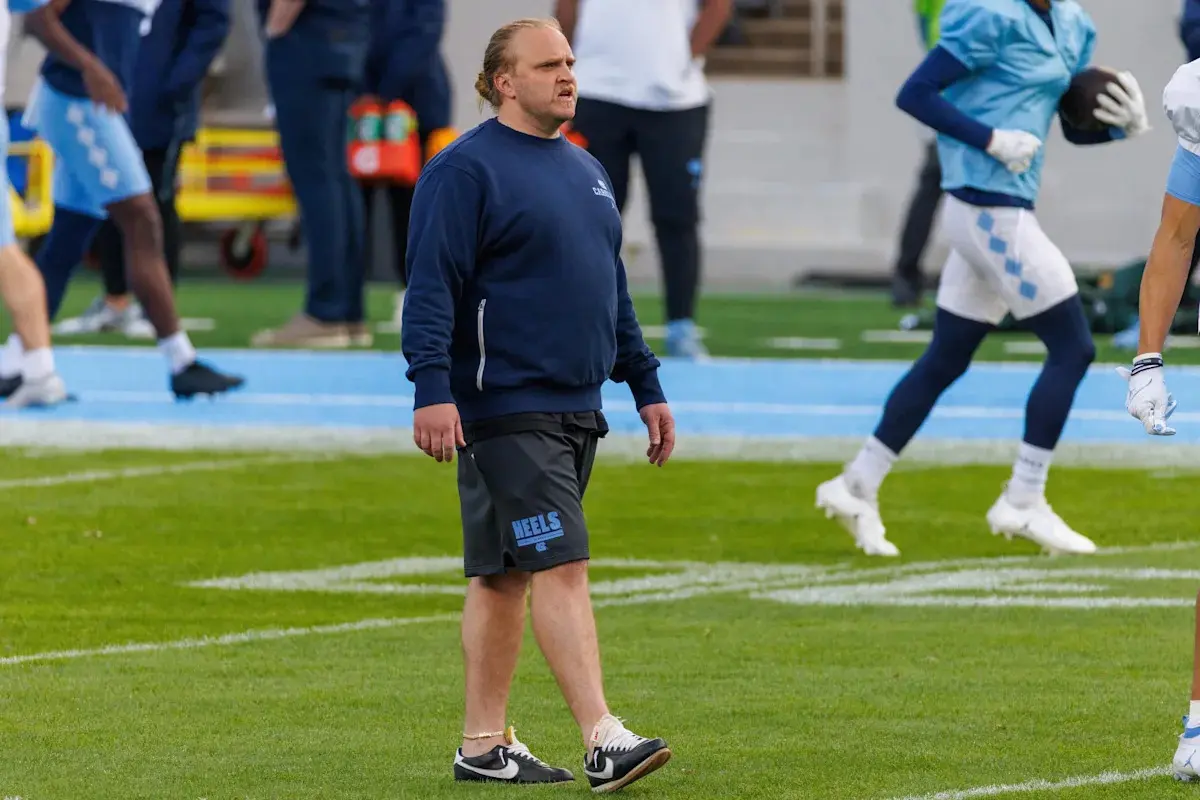
UNC Football Shakes Up Front Office With Sudden GM Departure
A Volatile Era for Chapel Hill
Michael Lombardi, the general manager for the University of North Carolina football program, announced his resignation on Thursday night. The move comes amidst a period of significant transition for the Tar Heels athletic department. Lombardi held the role for several years, serving as a key figure in player recruitment and roster construction. His exit leaves a leadership void in the front office just as the team prepares for its next competitive season.
Latest news
 Travis Erickson: How to Watch NFL Week 6 – Bengals on Bye, Browns Face Ravens
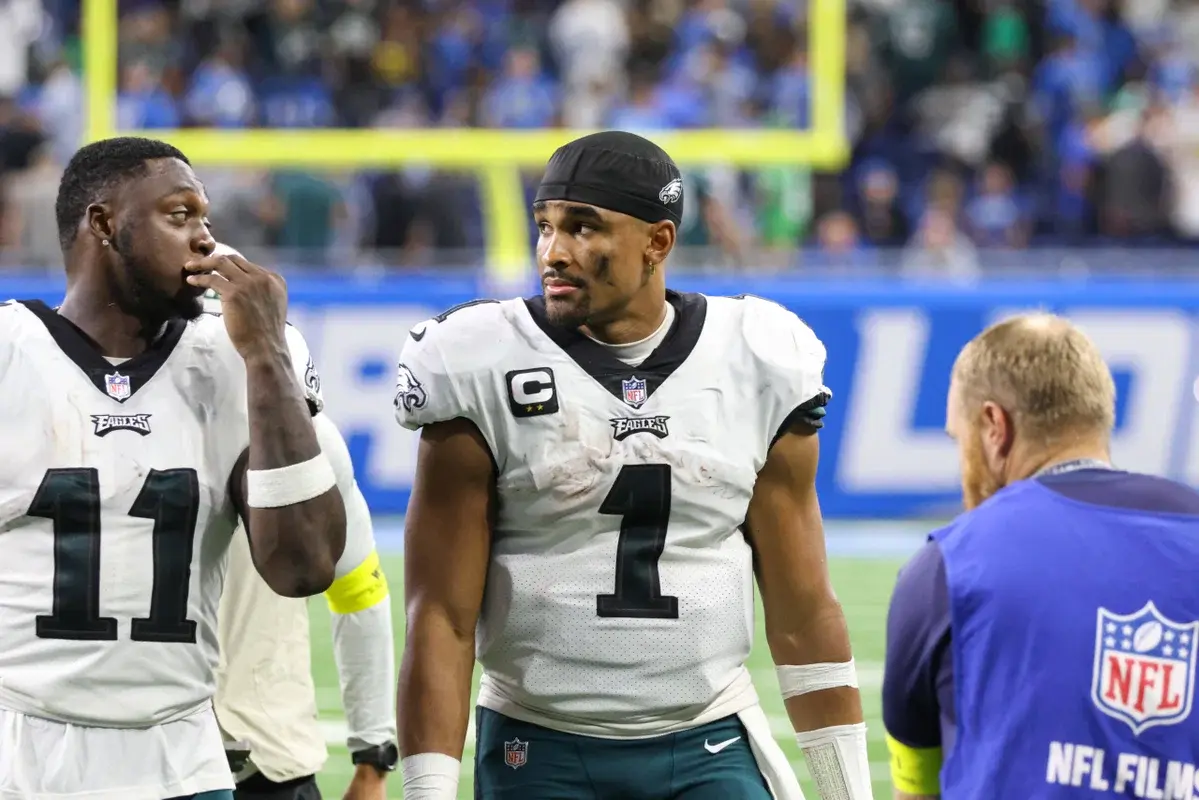 Former NFL Star Predicts Eagles Will Trade Up for Draft Capital After Jalen Hurts Injury
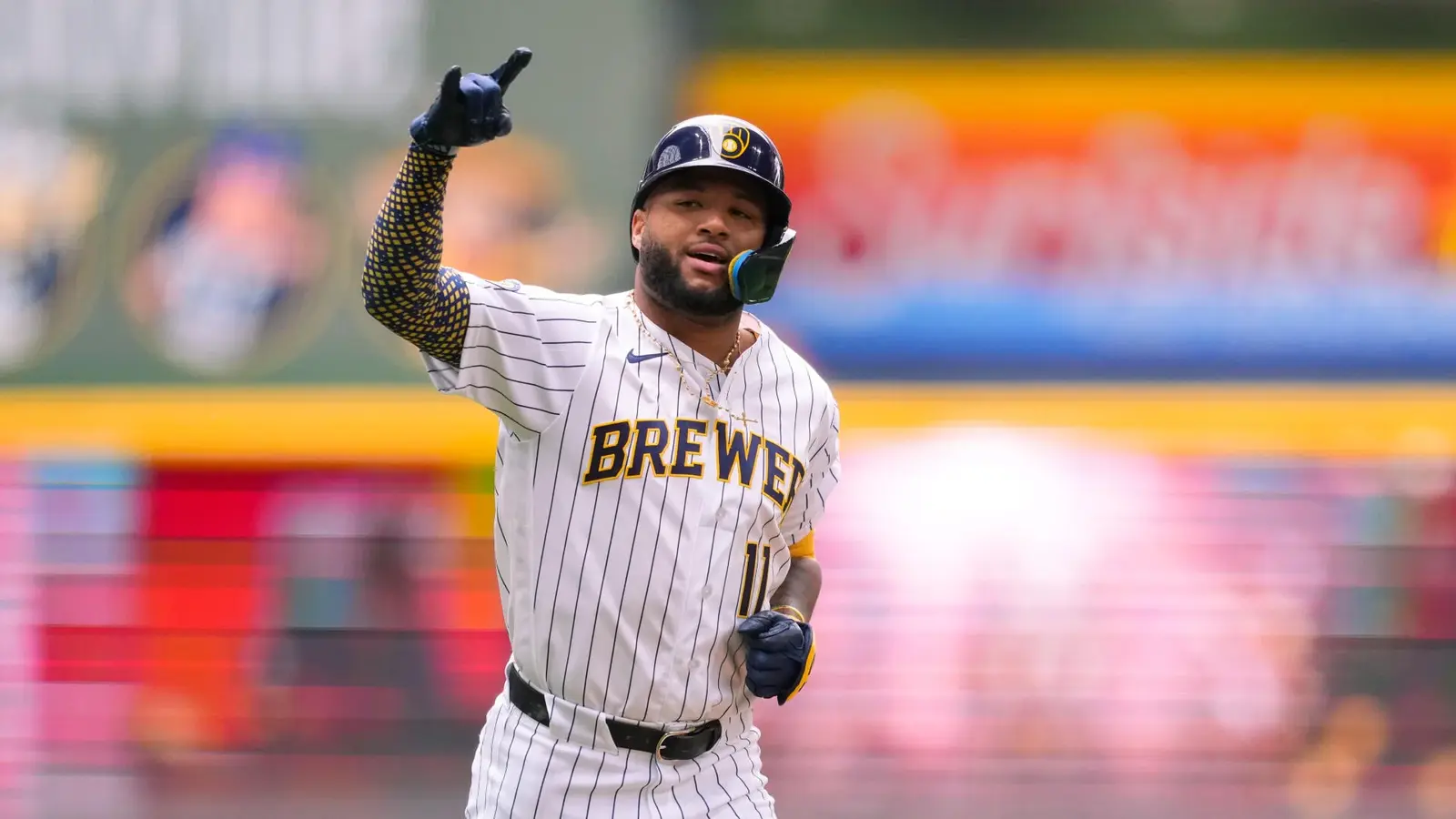 Brewers Eye First World Series Trip Since 1982 in Game 4 Clash With Dodgers
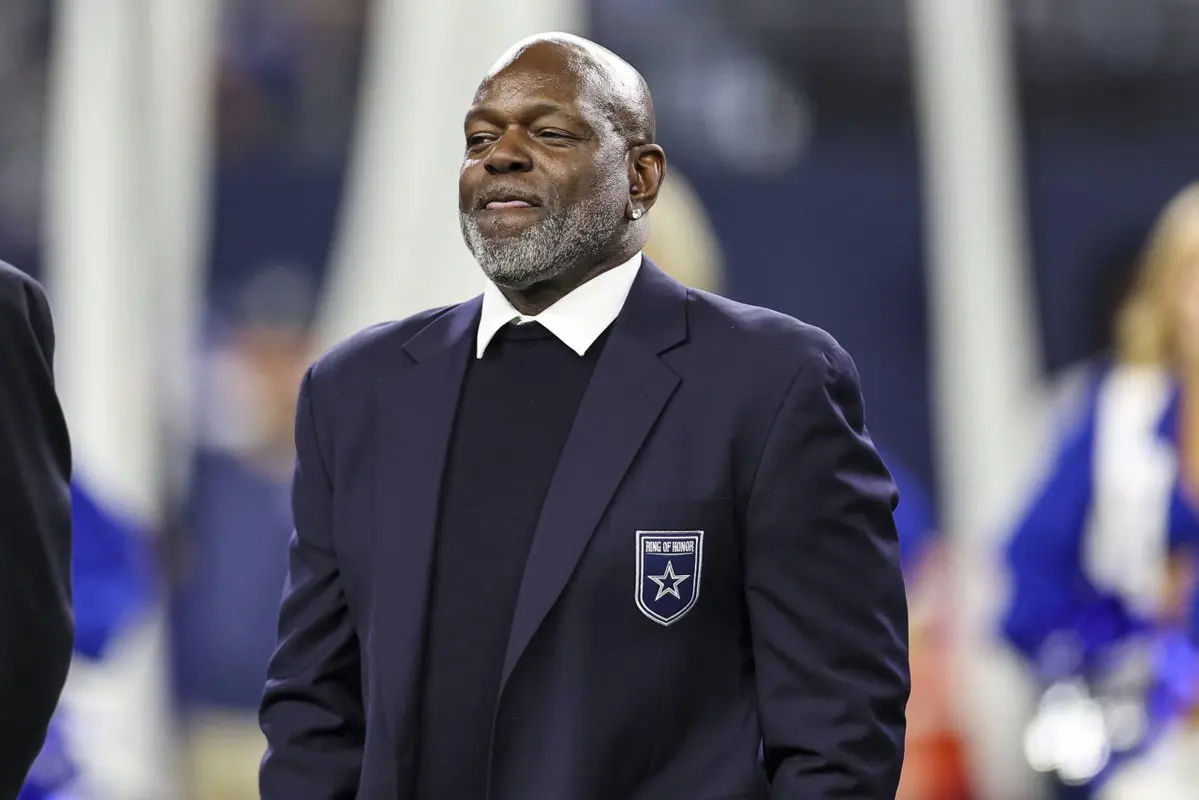 Emmitt Smith Defends Taylor Swift's Presence at Chiefs Games Amid Lip-Reading Debate
The departure marks a notable shift in the administrative structure of the program. Lombardi was known for his outspoken personality and deep involvement in daily operations. His decision to step down signals a potential reset for the staff hierarchy. The university has not yet announced a replacement or an interim leader to oversee the general management functions. This sudden change adds another layer of uncertainty to an already busy schedule for the coaching staff.
What Does This Mean for the Future?
Lombardi’s tenure was defined by high energy and frequent public commentary. He often engaged in social media debates regarding player evaluations and game outcomes. Critics described him as a „cantankerous buffoon,”while supporters appreciated his transparency. His relationship with head coach Steve Belichick was central to the program's recent direction. Belichick took charge of the team in 2025, aiming to stabilize a program that had struggled for decades. Lombardi’s resignation may reflect broader tensions within the coaching tree or a desire for fresh perspectives on roster building.
The timing of the announcement is particularly sensitive. It occurs during a critical window for planning the upcoming campaign. Players and coaches must now adapt to new administrative protocols. The front office will need to quickly define roles and responsibilities to prevent operational gaps. This disruption could impact how the team handles transfer portal moves and draft preparations. Stakeholders are watching closely to see if this change signals a larger overhaul of the football operation.
The immediate consequence is a search for a new general manager. The university may look internally or hire an external candidate with college football experience. Until then, existing staff members will likely absorb the additional workload. This period of flux requires careful communication to maintain morale among players and coaches. The program’s long-term success depends on establishing a stable administrative foundation. Fans and analysts will monitor whether this resignation leads to positive changes or further confusion. The next few weeks will reveal the true depth of the program’s leadership bench.
Frequently Asked Questions
Who replaced Michael Lombardi as general manager? The university has not yet named a permanent successor. An interim appointment or internal promotion is expected in the coming days.
Why did Michael Lombardi resign? Lombardi cited personal reasons for his departure. He expressed gratitude for his time at the university but felt it was time for a new chapter.
Content written by Maria Santos for live-sports-site.com editorial team, AI-assisted.