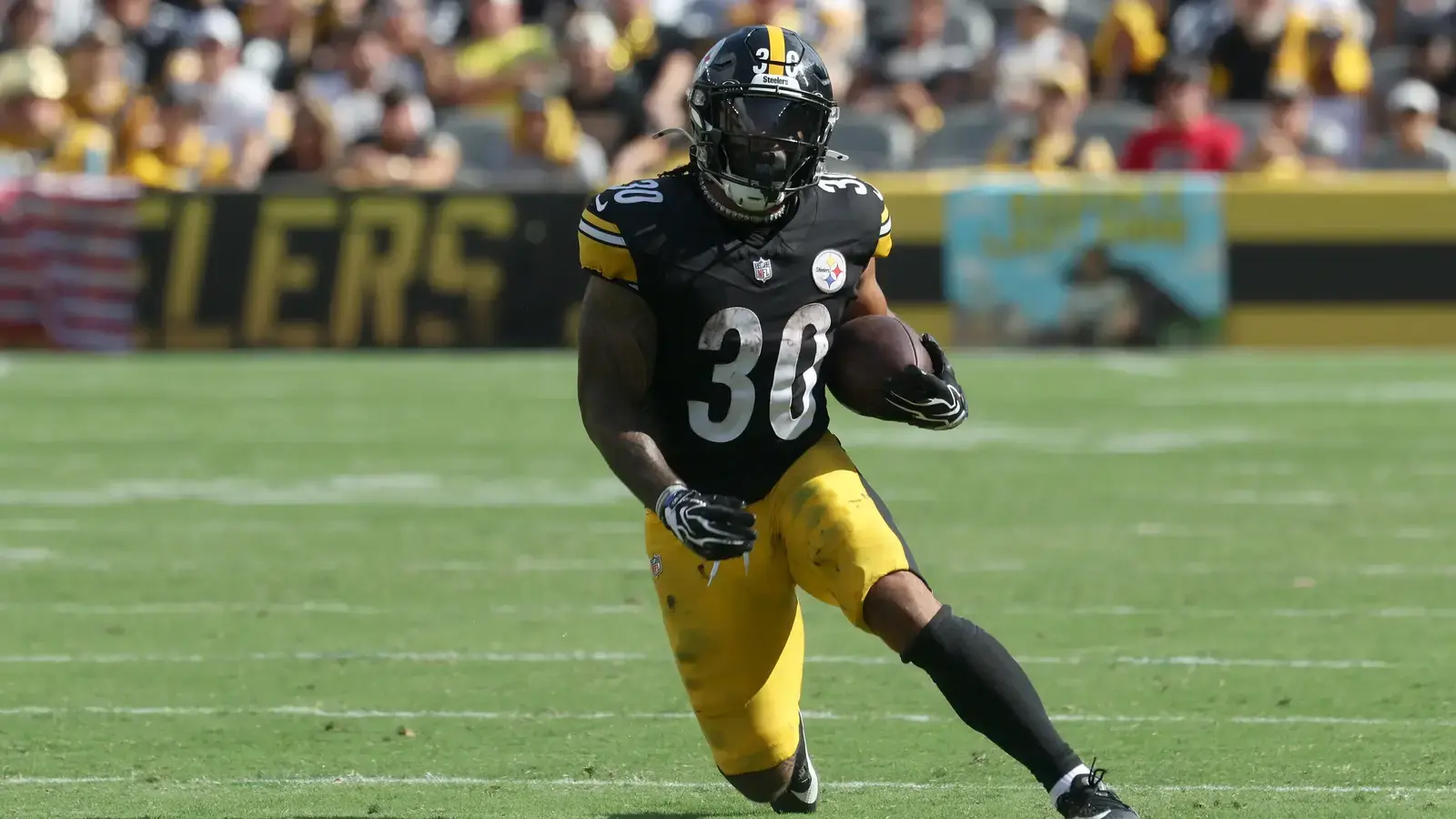
Week 1 Snap Counts Reveal Fantasy Football Red Flags
Rotations Disrupting Weekly Projections
The opening week of the 2026 NFL season has delivered alarming signals for fantasy football managers. Several high-profile players finished games with surprisingly low snap counts, raising immediate concerns about their playing time. These early numbers suggest that some roster choices may be built on shaky foundations. Managers who relied on these players for weekly production now face difficult decisions. The data indicates a clear drop-off in involvement for specific athletes. This trend demands urgent attention before Week 2 lineups are locked in.
Latest news
 Tennessee’s Bold Decision Pays Off in 24‑14 Victory Over Auburn
 LaNorris Sellers Addresses Backup QB Rumors After Kentucky Loss
 ALDS Game 1 Takeaways: Austin Wells’ Costly Mistake Haunts Yankees
 Revolution in the Rams’ Defense: Mid‑Game Call Change
Early returns often mislead, but this particular cluster of low snaps is distinct. Coaches are prioritizing depth and rotation over star power in certain positions. The physical toll of the preseason combined with new coaching strategies has altered usage patterns. Players who were expected to dominate are instead sharing the field heavily. This shift disrupts standard fantasy projections and forces owners to reevaluate their starting lineups.
The most significant issue involves running backs and wide receivers facing heavy committee systems. Teams are spreading carries and targets among multiple players to preserve freshness. For instance, a starter who previously handled eighty percent of snaps now shares the load evenly with backups. This dilution reduces individual ceiling and floor. Fantasy managers must adjust their expectations accordingly. Relying on a single player for volume is no longer safe in these situations. The rotation strategy aims to keep legs fresh for the long season. However, it creates uncertainty for those drafting based on historical volume.
Should You Bench Your Star?
Coaches have explicitly stated their intent to manage workloads early in the year. They view the first few weeks as testing grounds rather than final formations. Consequently, no player holds an automatic lock on their role. Injuries or performance dips can instantly change the pecking order. This fluidity makes fantasy management more complex than usual. Owners need to monitor practice reports closely for subtle cues. A player sitting out a practice might signal a reduced role in the next game.
The question of whether to bench a low-snap star is critical. If a player sees fewer than fifty percent of offensive snaps, the risk is high. Bench spots are valuable resources that should not be wasted on unreliable assets. Instead, consider flex options or waiver wire pickups with higher usage rates. These alternatives offer safer floors and consistent points. The decision requires balancing potential upside against guaranteed volume. A player with zero snaps offers no value regardless of talent.
Looking ahead, consistency will determine which players earn their roles back. Teams that maintain heavy rotations may stick with them if results remain positive. However, any stumble could trigger a return to a two-man system. Fantasy managers should stay flexible and avoid emotional attachments. The league is young, and roles are still being defined. Patience is necessary, but caution is essential. Trust the process only when snap counts stabilize above seventy percent. Until then, treat every lineup as a gamble requiring careful hedging.
Frequently Asked Questions
Which position group shows the highest risk? Running backs face the greatest volatility due to committee systems. Wide receivers also see increased rotation, but less so than skill-position runners.
How many snaps constitute a red flag? Fewer than sixty percent of offensive snaps is a major warning sign. Below fifty percent suggests the player is part of a full rotation.
When should I pick up a replacement? Move immediately if the primary player misses a second consecutive game with low snaps. Do not wait for a third week to confirm the trend.
Content written by Justin Carter for live-sports-site.com editorial team, AI-assisted.