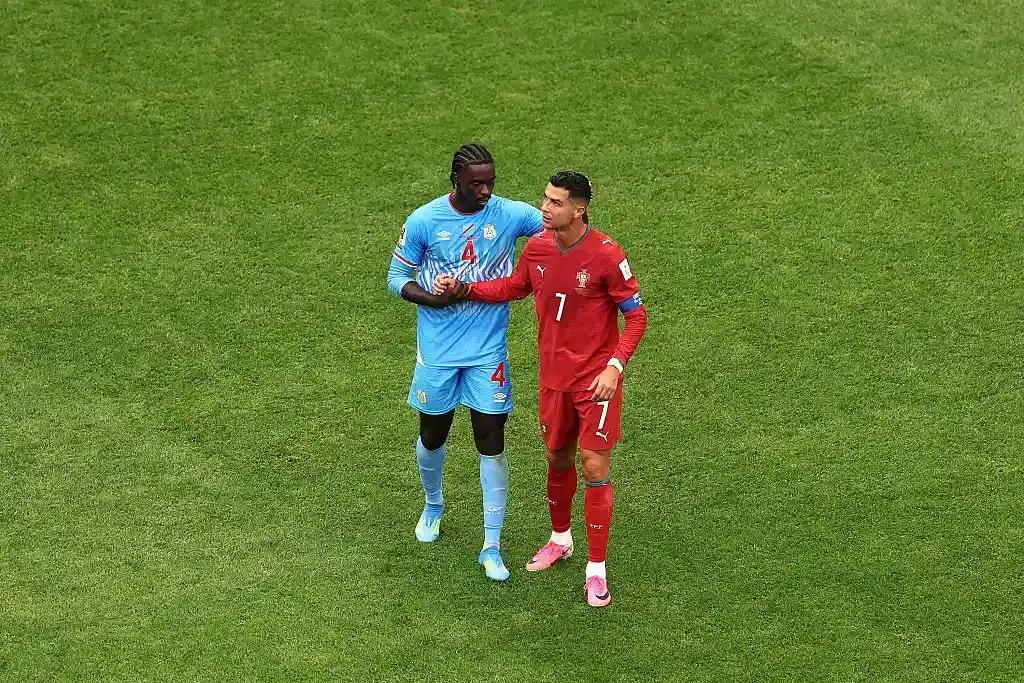
World Cup Group Stage Chaos: What Happens When Teams Are Level?
Sorting Out the Tiebreakers
The 2026 World Cup is underway, with some groups sparking excitement and others failing to capture the imagination. What if teams can't be separated?
Latest news
 Travis Erickson: How to Watch NFL Week 6 – Bengals on Bye, Browns Face Ravens
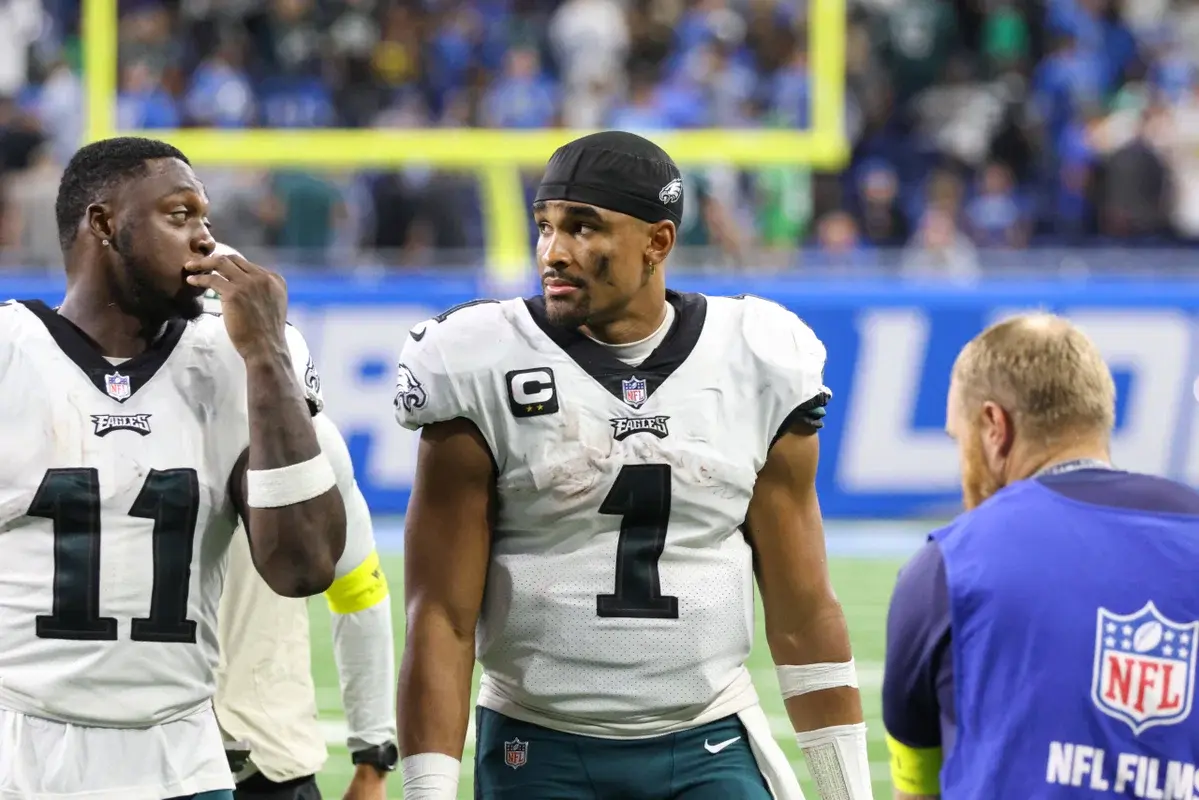 Former NFL Star Predicts Eagles Will Trade Up for Draft Capital After Jalen Hurts Injury
 Brewers Eye First World Series Trip Since 1982 in Game 4 Clash With Dodgers
 Emmitt Smith Defends Taylor Swift's Presence at Chiefs Games Amid Lip-Reading Debate
The World Cup group stage is designed to be competitive, but what happens when multiple teams end up with the same points and goal difference?
Can a Random Draw Decide the Fate?
In the event of a tie, FIFA's rules come into play. The first tiebreaker is the total number of goals scored in the group stage. If teams are still level, the next step is to compare their head-to-head matches. This includes points earned, goal difference, and goals scored in the matches played between the tied teams.
If two teams are still tied after these comparisons, the next tiebreaker is the fair play score, which is calculated based on the number of yellow and red cards received by each team. The team with the higher fair play score (i.e., fewer disciplinary points) advances.
In extreme cases, if all the above tiebreakers fail to separate the teams, a random draw may be used to determine the teams that advance to the next stage. This has happened only once in World Cup history, in 1990, when Ireland advanced to the knockout stage over the Netherlands due to a random draw.
Frequently Asked Questions
The prospect of a random draw deciding the fate of teams is a worrying one for fans and teams alike. It highlights the need for a clear and fair system to resolve ties.
What is the first tiebreaker used by FIFA? How is the fair play score calculated? The fair play score is based on the number of yellow and red cards received by each team. Has a random draw ever been used in the World Cup? Yes, it was used in 1990 to decide between Ireland and the Netherlands.
Content written by Alex Turner for live-sports-site.com editorial team, AI-assisted.