
World Cup Returns to US After Three Decades
Navigating Logistical Nightmares
The United States is gearing up to co-host the 2026 FIFA World Cup. It’s been over thirty years since the nation last held the tournament. Preparations are underway across multiple cities, but concerns are rising about logistical challenges and ticket demand.
Latest news
 Travis Erickson: How to Watch NFL Week 6 – Bengals on Bye, Browns Face Ravens
 Former NFL Star Predicts Eagles Will Trade Up for Draft Capital After Jalen Hurts Injury
 Brewers Eye First World Series Trip Since 1982 in Game 4 Clash With Dodgers
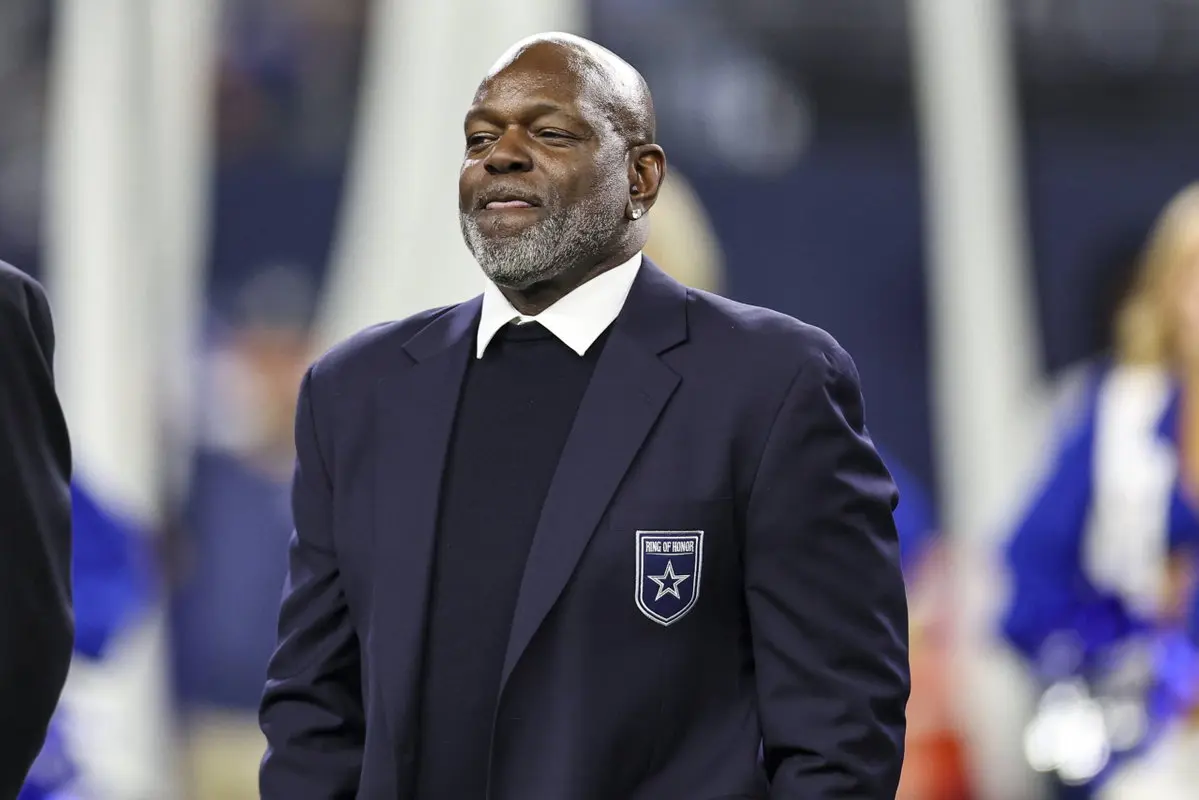 Emmitt Smith Defends Taylor Swift's Presence at Chiefs Games Amid Lip-Reading Debate
The scale of this World Cup is unprecedented. Sixty-four matches will be played across sixteen cities. This expanded format, featuring forty-eight teams, presents significant hurdles. Transportation, accommodation, and security are key areas of focus for organizers. Brazil has already begun acclimating to the US environment, setting up base and preparing for the competition.
Many experts predict significant traffic congestion during the tournament. They’re calling it „gridlock alert days.” The influx of fans, teams, and media will strain infrastructure. Cities are working on transportation plans, including expanded public transit and park-and-ride systems. However, the sheer volume of people poses a real challenge. Officials are urging fans to plan ahead and utilize available resources.
Can US Infrastructure Handle the Surge?
The demand for tickets is also exceptionally high. The initial lottery process saw millions of applications. Securing tickets, especially for popular matches, is proving difficult. FIFA is implementing measures to combat scalping and ensure fair access. But many genuine fans are frustrated by the competitive process.
The US boasts large stadiums, but accommodating the expanded World Cup format requires more. Many venues are already familiar with hosting major sporting events. However, the simultaneous demands of multiple matches and fan zones will test their capacity. Concerns extend beyond stadiums to include hotels, airports, and local services.
The economic impact of the tournament is expected to be substantial. Cities are anticipating a boost in tourism revenue. Local businesses are preparing for increased activity. However, some residents worry about potential disruptions and rising costs. Balancing economic benefits with quality of life is a key consideration for local governments.
The success of the 2026 World Cup hinges on careful planning and execution. Overcoming logistical hurdles and ensuring a positive experience for fans are crucial. The tournament offers a unique opportunity to showcase the US on a global stage. However, failure to address these challenges could overshadow the event.
Frequently Asked Questions
What makes the 2026 World Cup different? This World Cup will feature forty-eight teams, an increase from the traditional thirty-two. It’s the largest World Cup in history, demanding more venues and resources. The tournament is also being co-hosted by Canada and Mexico.
How is the US preparing for increased traffic? Cities are implementing expanded public transportation options. They're also encouraging fans to utilize park-and-ride systems. Officials are urging advance planning to mitigate potential congestion.
What steps are being taken to prevent ticket scalping? FIFA is employing measures to identify and prevent the resale of tickets at inflated prices. They aim to ensure fair access for genuine fans. These efforts include digital ticketing and monitoring online marketplaces.
Content written by Alex Turner for live-sports-site.com editorial team, AI-assisted.