
Former Presidents Cup Captain Defends Tradition Against Calls for Major Overhaul
Tradition and Competitive Balance Under Fire
Trevor Immelman, who led the International Team in the 2018 Presidents Cup, has strongly criticized recent demands for sweeping changes to professional golf team competitions. His comments come on the heels of Team GB&I's unexpected Walker Cup triumph at Lahinch Golf Club, which concluded this week.
Latest news
 Pittsburgh Struggles as McCarthy‑Rodgers Reunion Falters
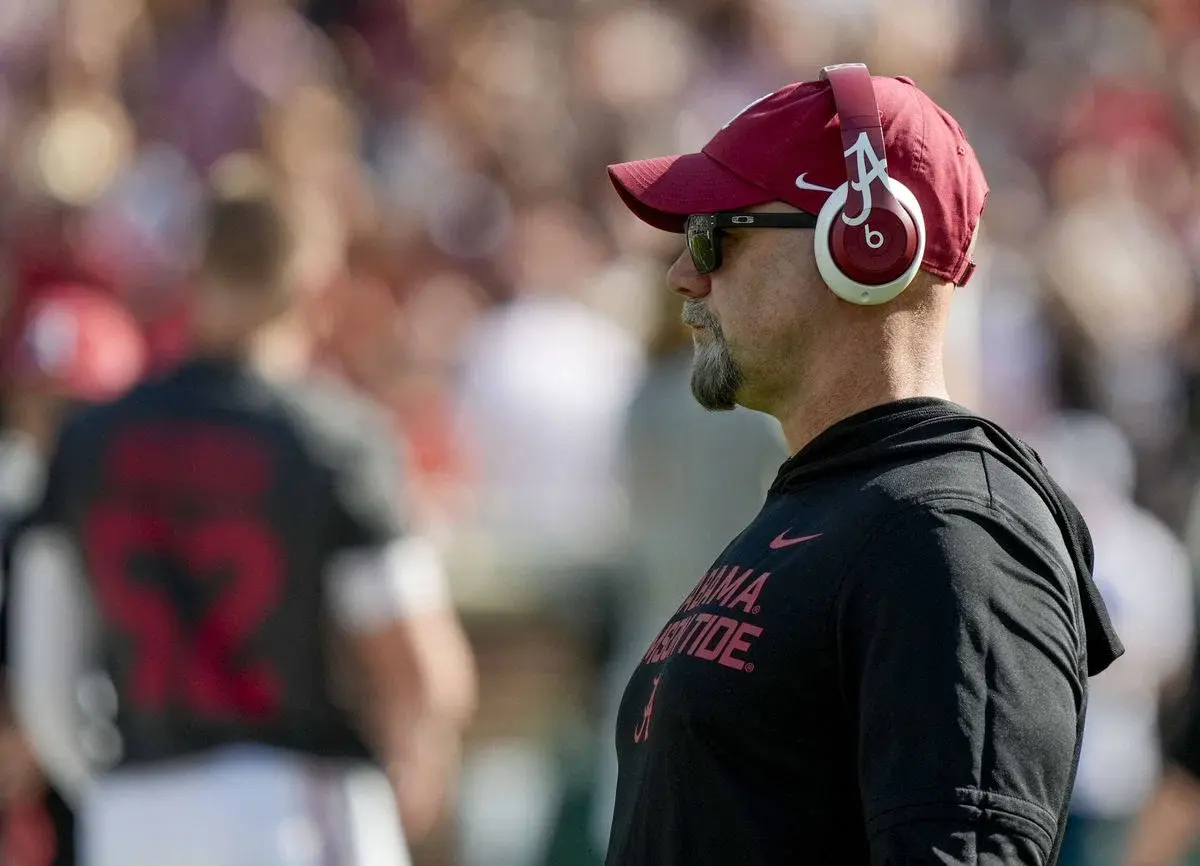 Alabama Coach Warns of Trump’s Potential Distraction at Georgia Game
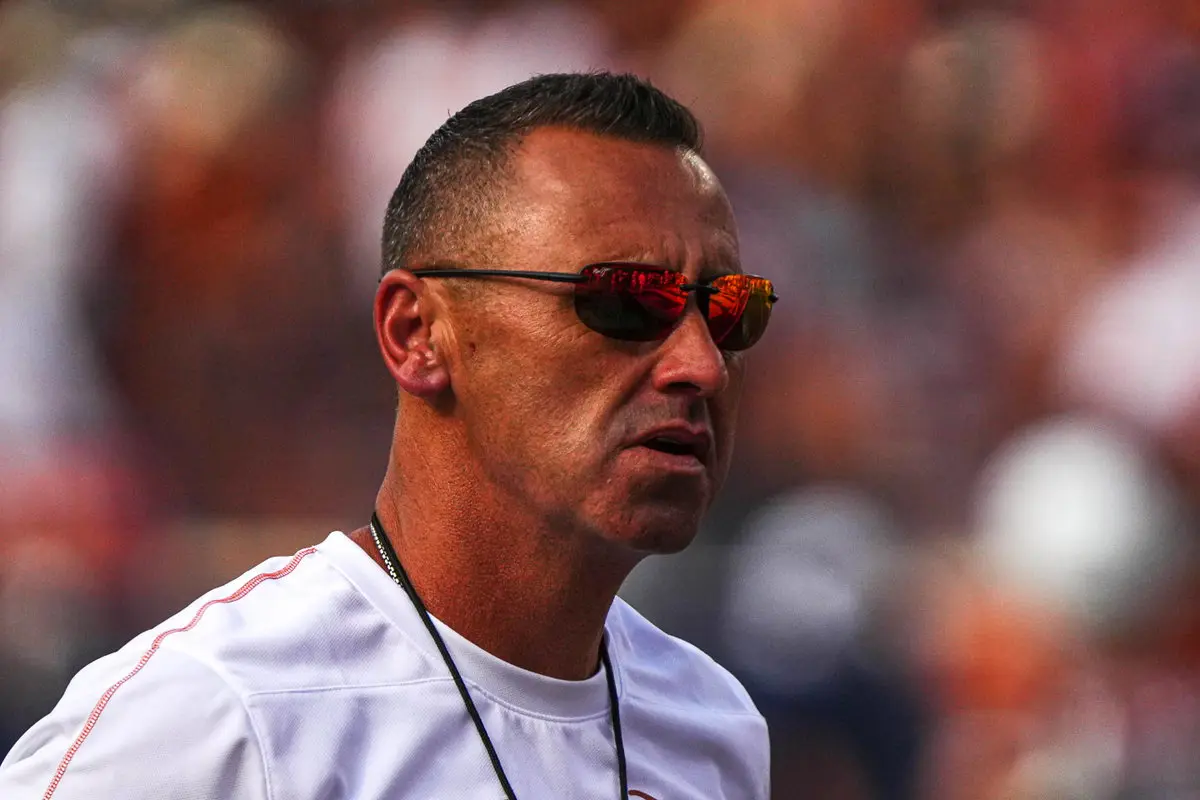 Sarkisian Warns Texas Not to Overlook Oklahoma After Stunning Anniversary Reminder
 We Are Well Aware: Padres Manager Addresses Serious Mason Miller Pitch-Tipping Concerns
Immelman's response addresses mounting criticism following the Walker Cup results, where the British and Irish team overcame significant odds to claim victory. The former captain argues that calls for major structural modifications overlook the inherent drama and competitive balance that makes these events compelling spectacles.
The debate intensified after Team GB&I's remarkable comeback win at Lahinch, with some commentators suggesting the format needs updating to maintain viewer engagement. Immelman contends that the current structure provides sufficient excitement and that proposed changes might actually diminish the unique appeal of team competitions. He emphasizes that the unpredictability inherent in match play formats creates natural drama without artificial intervention.
What Reforms Are Being Proposed?
The Walker Cup, contested between amateur teams from the United States and Great Britain & Ireland, showcased exactly the kind of competitive tension that team events should celebrate. Playing at the historic Lahinch Golf Club in County Clare, Ireland, added another layer of tradition to the competition, making the calls for radical change appear premature to some observers.
Critics have suggested various modifications, including format changes and qualification adjustments, though specific proposals remain under discussion. Immelman's opposition centers on preserving what he sees as the essential character of these prestigious events. He argues that the current system rewards both skill and strategic thinking in ways that alternative formats might not capture as effectively.
The upcoming events at Medinah Country Club, host to the next phase of professional team competition, will provide further context for this debate. Immelman's stance suggests that rather than overhaul existing structures, attention should focus on maintaining the quality of competition and tradition that has sustained these events for decades.
Looking ahead, the tension between innovation and preservation will likely continue shaping discussions about golf's premier team competitions. Whether this represents a temporary reaction to a single event's outcome or the beginning of a more sustained movement toward change remains to be seen.
Frequently Asked Questions
What specific changes are being proposed for golf team competitions? Critics have suggested various format modifications and qualification adjustments, though concrete proposals have not been formally presented. The debate appears to center around updating traditional structures to potentially increase viewer engagement and competitive balance.
Why did Trevor Immelman become involved in this controversy? As a former Presidents Cup captain with extensive experience in international team competitions, Immelman's perspective carries weight in these discussions. His strong defense of existing formats reflects his belief that current structures provide sufficient competitive drama.
How might these proposed changes affect amateur golf development? Any modifications to qualification or format could impact how amateur players progress through the ranks and earn selection to represent their countries in prestigious team events.
Content written by David Kim for live-sports-site.com editorial team, AI-assisted.