
LPGA Broadcaster Struggles Persist Despite Commissioner’s Push for Full Coverage
„Third Fiddle” Scheduling Conflicts
The Ladies Professional Golf Association (LPGA) has struggled to secure consistent television coverage for its tournaments, forcing fans to hunt for broadcasts across multiple networks. Since the 2024 season, Commissioner Craig Kessler has pushed for all rounds of every event to be televised, yet the organization still faces scheduling conflicts and fragmented coverage. The issue has sparked criticism from analysts and fans alike, who argue that the tour’s broadcast strategy is hampered by a „third fiddle” problem—competition from other sports and network priorities.
Latest news
 Travis Erickson: How to Watch NFL Week 6 – Bengals on Bye, Browns Face Ravens
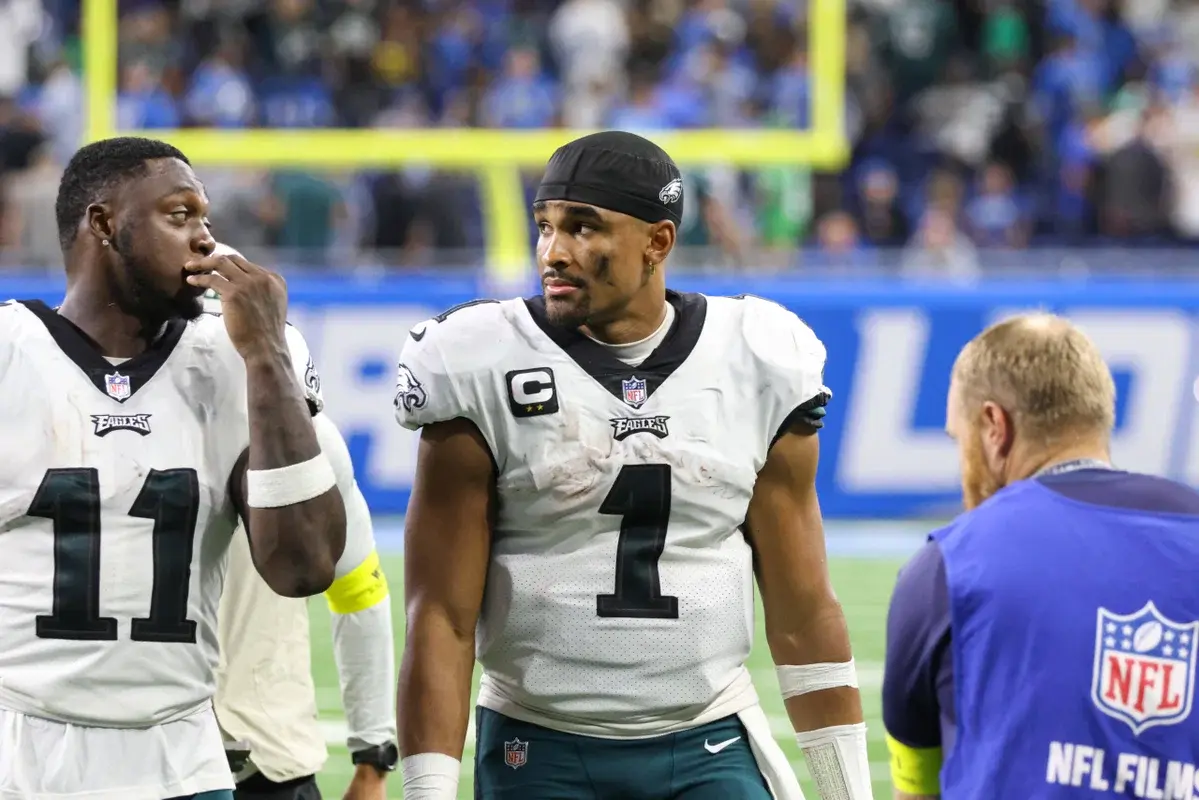 Former NFL Star Predicts Eagles Will Trade Up for Draft Capital After Jalen Hurts Injury
 Brewers Eye First World Series Trip Since 1982 in Game 4 Clash With Dodgers
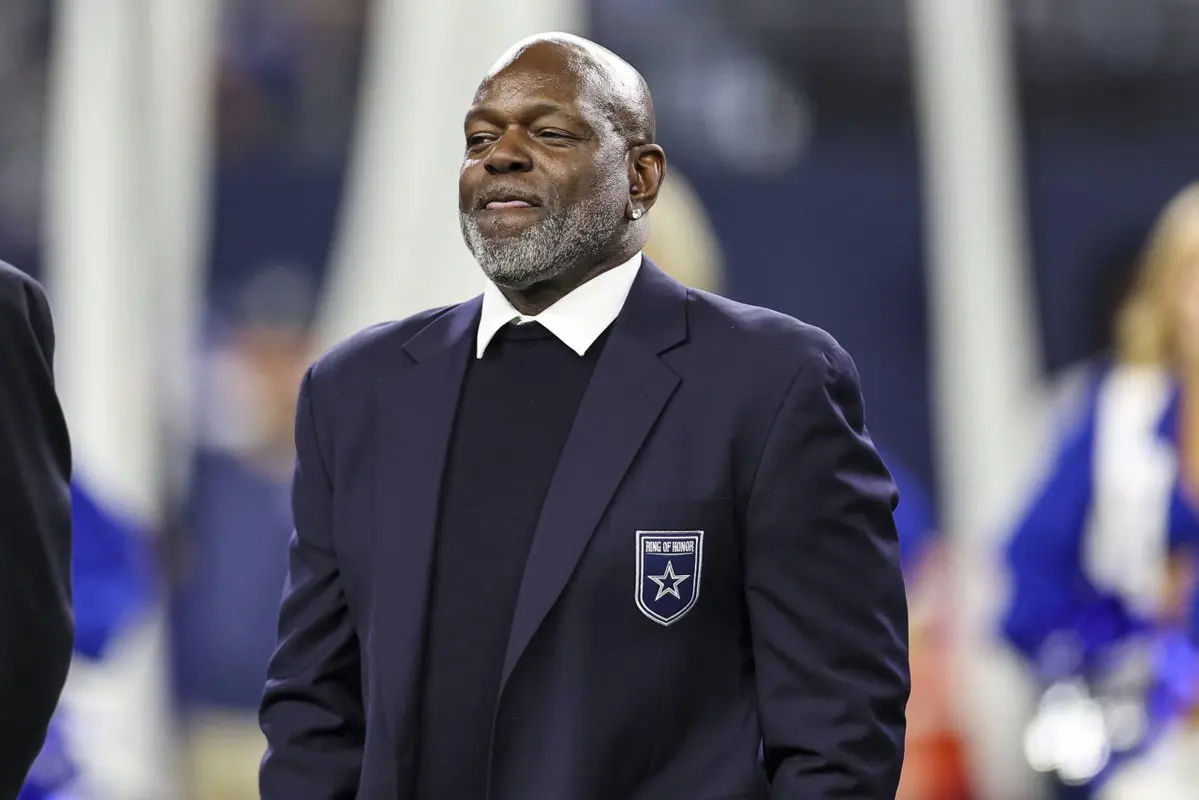 Emmitt Smith Defends Taylor Swift's Presence at Chiefs Games Amid Lip-Reading Debate
Kessler’s initiative began in early 2024, when he announced that the LPGA would negotiate contracts to guarantee live coverage of every round at all events. The goal was to eliminate the mystery that once plagued viewers, who had to switch channels to catch a major championship. However, the tour’s partnership with major networks such as CBS, ESPN, and Fox Sports has proven difficult to align. Competing programming, particularly during the summer and fall, often pushes LPGA tournaments to less desirable time slots or even to secondary channels. As a result, many fans still experience fragmented coverage and confusion over where to watch.
Can Streaming Restore Consistency?
Analysts point to the LPGA’s „third fiddle” problem: the tour’s schedule clashes with other high‑profile sporting events, causing networks to allocate limited broadcast slots elsewhere. For instance, the LPGA’s flagship tournament, the Women's PGA Championship, frequently competes with the NFL’s playoff schedule and the NBA’s regular season. Networks, prioritizing higher‑rated sports, sometimes move LPGA coverage to later hours or to cable channels with lower viewership. This fragmentation dilutes audience engagement and hampers the tour’s ability to attract new fans.
Kessler has acknowledged these challenges and is working with broadcasters to create a more cohesive schedule. He has also called for the LPGA to explore alternative platforms, such as streaming services, to reach viewers who miss live TV. Despite these efforts, the organization’s current contracts still leave gaps, and critics argue that the tour’s broadcast strategy is not sufficiently aggressive.
Can streaming services fill the void left by fragmented TV coverage? The LPGA has begun to test streaming partnerships, offering live coverage on its own digital platform and through third‑party services. Early data shows that streaming audiences are growing, especially among younger viewers who prefer on‑demand content. However, streaming alone cannot replace the broad reach of traditional television, particularly for casual fans who rely on cable packages.
Frequently Asked Questions
A potential solution lies in a hybrid model: securing primary broadcast rights on a major network while supplementing with comprehensive streaming coverage. This approach could provide consistent access for all fans and allow the LPGA to negotiate better terms with broadcasters. The challenge will be balancing the interests of traditional networks, which seek to protect viewership numbers, with the tour’s goal of maximizing exposure.
The consequences of continued scheduling woes are clear. Viewership numbers have plateaued, sponsorship deals are stagnant, and the LPGA’s brand equity is at risk. Commissioner Kessler’s push for full coverage is a step in the right direction, but without a coordinated strategy that addresses the „third fiddle” problem, the tour may struggle to grow its audience and secure long‑term media partnerships.
Content written by Kailash Bhimji Vaviya for live-sports-site.com editorial team, AI-assisted.