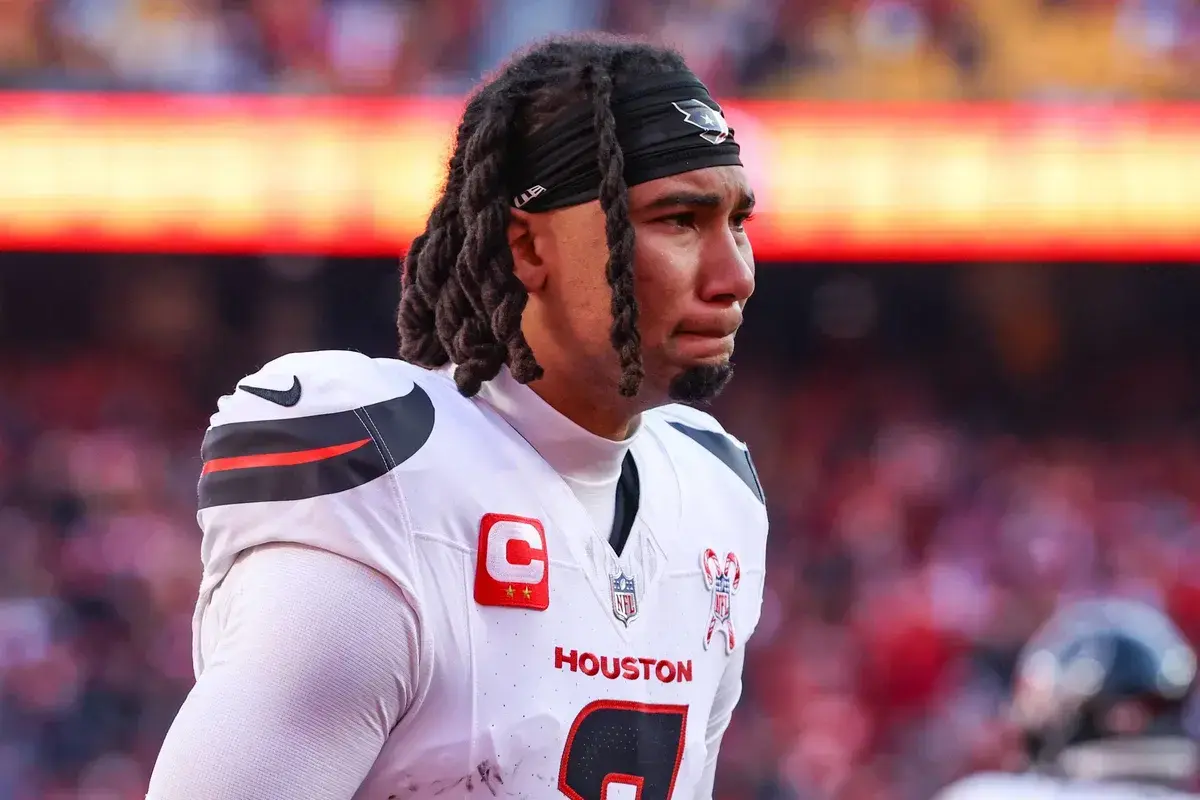
CJ Stroud Faces Fan Backlash After Rejecting $50 Million Deal
The High Stakes of Rookie Extensions
Houston Texans quarterback C. J. Stroud has become the target of fan criticism following his decision to forgo a lucrative contract extension. General Manager Nick Caserio established a strict deadline for the deal to be finalized before the start of the regular season. With market valuations exceeding fifty million dollars per year, the window for negotiation was closing rapidly. Stroud chose to let that opportunity pass, leaving fans frustrated by what many view as a missed chance to secure long-term financial stability.
Latest news
 Travis Erickson: How to Watch NFL Week 6 – Bengals on Bye, Browns Face Ravens
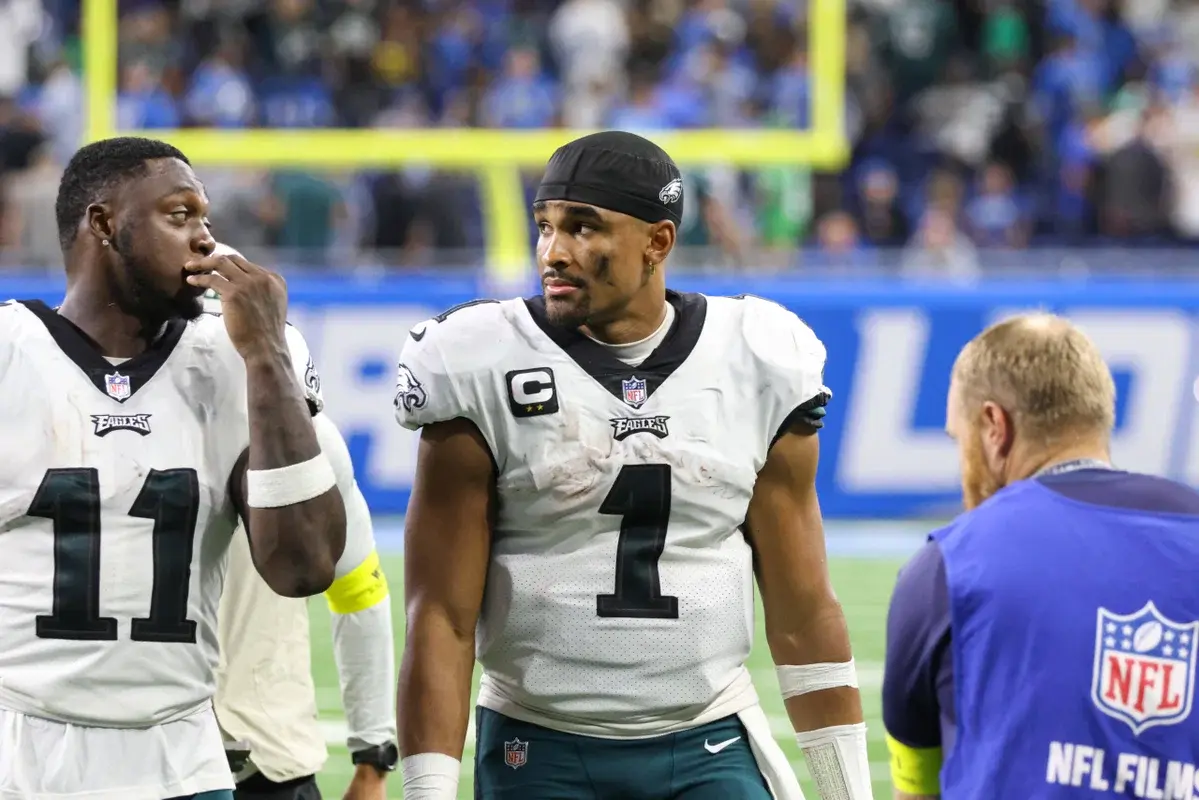 Former NFL Star Predicts Eagles Will Trade Up for Draft Capital After Jalen Hurts Injury
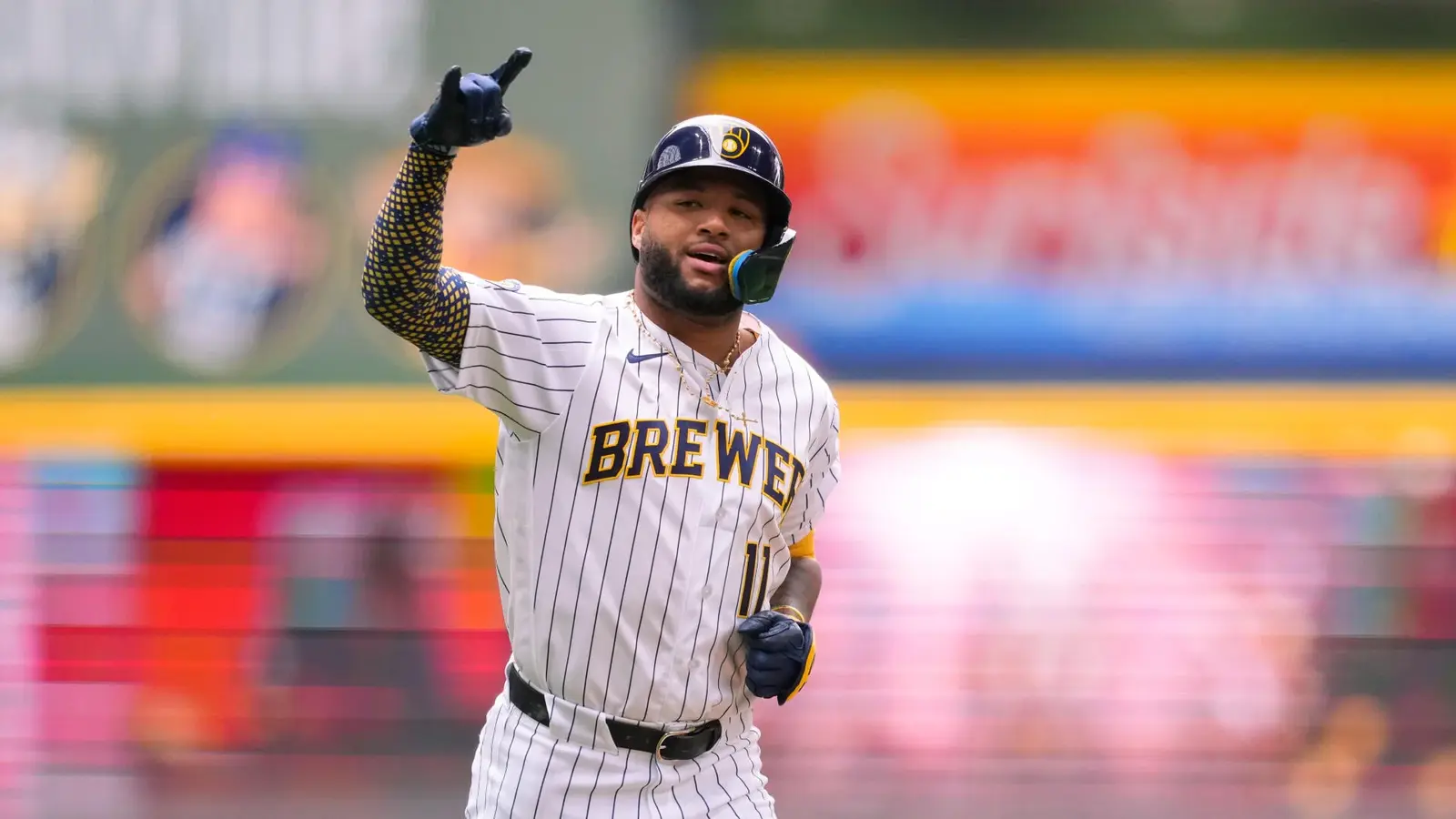 Brewers Eye First World Series Trip Since 1982 in Game 4 Clash With Dodgers
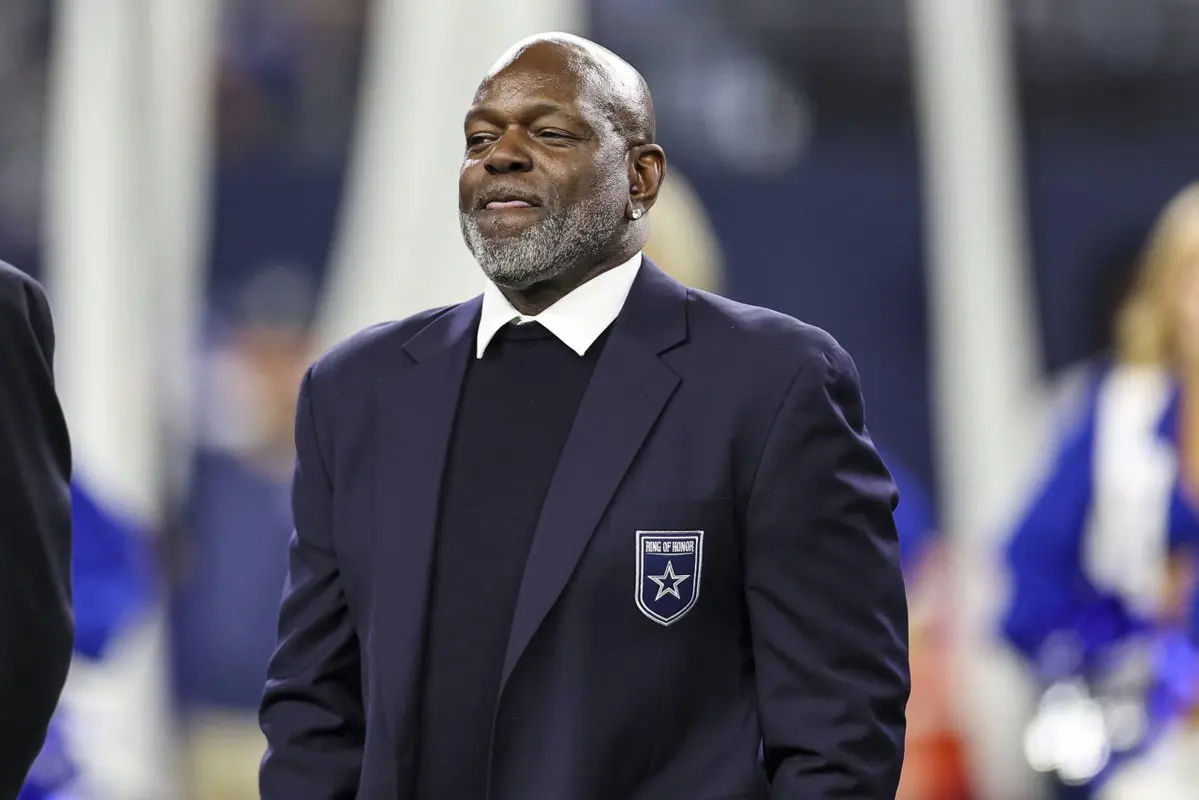 Emmitt Smith Defends Taylor Swift's Presence at Chiefs Games Amid Lip-Reading Debate
The situation stems from the NFL’s complex contract rules regarding rookie extensions. Players can only sign one extension during their initial tenure, making timing critical. Caserio wanted to avoid a drawn-out process that could distract the team during early games. By setting a hard stop at Week 1, he forced a binary outcome: sign now or wait until the next available window. Stroud opted for the latter, prioritizing flexibility over immediate guaranteed income. This move has sparked debate among supporters who believe he should have locked in the massive payday while his stock was high.
Financial analysts estimate Stroud’s annual value well above the fifty-million-dollar mark. This figure reflects his strong performance and rising status in the league. However, the mechanics of the NFL salary cap create pressure on both sides. Teams want to lock in young stars before their market value skyrockets further. Players often hesitate, hoping to leverage future success for even higher numbers later. In this case, the gap between the team’s offer and the player’s expectations likely widened the divide. The failure to reach an agreement before the deadline signals a shift in the power dynamic within the locker room.
Why Did Stroud Wait?
Fans on social media have voiced their disappointment openly. Many argue that rejecting a deal of this magnitude is risky business. They point out that injuries or performance dips could lower future earnings. The mockery centers on the idea that Stroud is being overly cautious or perhaps misinformed about his own leverage. While some defenders note that players have the right to wait, the volume of negative commentary suggests a growing disconnect between the franchise and its supporter base.
Stroud’s decision may stem from a desire to maximize his second-year bonus or wait for a full five-year extension structure. Some agents advise clients to hold out if they believe their value will increase significantly after another strong season. Additionally, there may be internal disagreements over the length of the contract. A shorter deal offers more freedom but less security. A longer deal provides stability but locks in a salary that might not keep pace with inflation or performance growth. Without official statements from either side, speculation remains rampant. The lack of transparency fuels the fan frustration, as they are left to interpret the silence.
The outcome of this standoff will shape the Texans’ roster construction for years to come. If Stroud signs later, the team may face cap space issues in subsequent seasons. If he waits too long, the market could shift against him. For now, the focus returns to the field. Stroud must perform under pressure, knowing that every snap influences his future earning potential. The fanbase remains divided, with some cheering for his patience and others mourning the lost opportunity. The coming weeks will reveal whether this strategic pause pays off or becomes a costly mistake.
Frequently Asked Questions
Why did the Texans set a Week 1 deadline? General Manager Nick Caserio wanted to prevent negotiations from interfering with the start of the regular season. This approach ensures the team can focus on football without administrative distractions during crucial early games.
How much was the reported contract worth? Market estimates placed Stroud’s annual value north of fifty million dollars. This figure reflects his high status in the league and the premium teams pay for top-tier young quarterbacks.
Can Stroud sign another extension later? Yes, but the terms will likely differ. Future extensions depend on his performance and the evolving salary cap landscape. Waiting introduces uncertainty regarding his exact market value at that time.
Content written by David Kim for live-sports-site.com editorial team, AI-assisted.