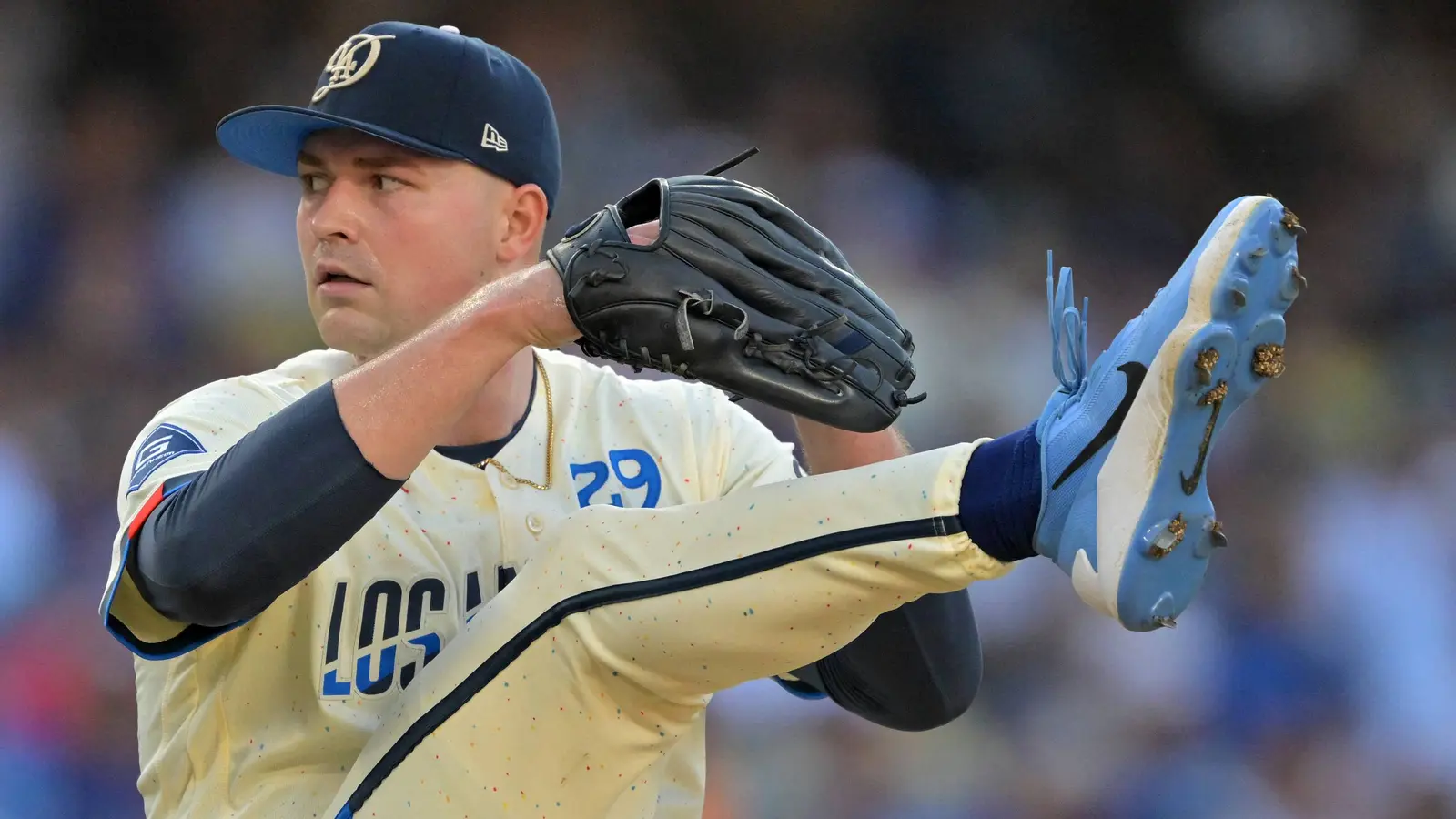
Supercomputer Predicts MLB Standings One Month After Trade Deadline
Algorithmic Insights Reveal Tight Races
Major League Baseball fans face a final stretch of uncertainty as advanced algorithms project the end-of-season standings. These predictions account for remaining games and current team performance. The model suggests several wild card spots remain highly competitive. Analysts note that minor injuries or pitching changes could shift outcomes significantly. The trade deadline has passed, leaving rosters fixed for the final month.
Latest news
 Travis Erickson: How to Watch NFL Week 6 – Bengals on Bye, Browns Face Ravens
 Former NFL Star Predicts Eagles Will Trade Up for Draft Capital After Jalen Hurts Injury
 Brewers Eye First World Series Trip Since 1982 in Game 4 Clash With Dodgers
 Emmitt Smith Defends Taylor Swift's Presence at Chiefs Games Amid Lip-Reading Debate
The data indicates that while top teams hold leads, gaps are not insurmountable. A single losing streak can drop a team from the playoffs entirely. This volatility creates tension in both the American and National Leagues. Teams must manage player workloads carefully to preserve their chances. The supercomputer weighs historical trends against current momentum. It does not rely on gut feeling but on statistical probability.
The prediction engine highlights specific matchups where outcomes swing the standings. In the American League, the wild card race involves multiple teams within a few games. Pitching staffs will determine which squads advance to October. The model assumes standard performance levels for key players. It factors in home field advantage and travel fatigue. These variables create a complex web of probabilities. Fans should expect late-season upsets based on these calculations.
Which Teams Hold the Greatest Risk?
Defensive metrics also play a crucial role in the projections. Teams with strong defensive units often outperform their win-loss records. The algorithm adjusts for this hidden strength. Conversely, offensive slumps can erode leads quickly. Managers must balance rest and performance in the final weeks. The data shows no team is safe until the last game is played. Even first-place contenders face potential threats from behind.
Several mid-tier teams appear vulnerable according to the model. Their schedules include tough opponents in the final month. A poor run of luck could eliminate them from contention. The supercomputer identifies these high-risk scenarios clearly. For example, a team currently in second place might fall to fourth. This shift would push them out of the playoff picture. The analysis emphasizes that consistency matters more than peak performance. Teams must avoid long losing streaks to stay alive.
The National League presents similar challenges. Division leaders face back-to-back series against strong rivals. These head-to-head games could decide the entire season. The algorithm predicts narrow margins in these critical contests. Any deviation from expected performance alters the final standings. Coaches know this pressure well and prepare accordingly.
Frequently Asked Questions
How accurate are supercomputer predictions for MLB? These models use vast datasets to estimate probabilities. They are generally reliable for broad trends but less precise for individual games.
Do the predictions account for player injuries? The base model assumes healthy rosters. However, analysts can input injury data to adjust specific team forecasts dynamically.
When are the final standings released? Standings update after every game throughout the season. The official final rankings are determined once all teams complete their schedules.
Content written by David Kim for live-sports-site.com editorial team, AI-assisted.