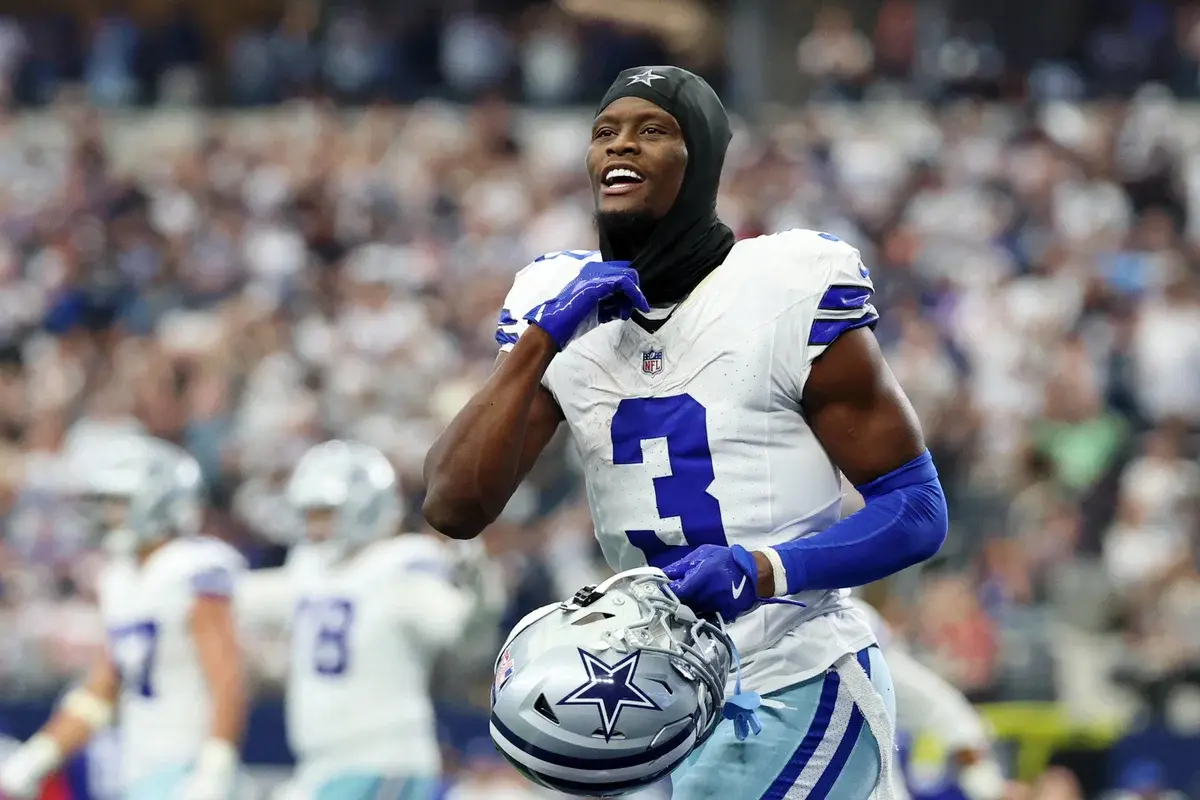
Fantasy Football Managers Face Critical Decision Point in Week Three
Early Season Data Exposes Roster Flaws
The third week of the fantasy football season marks a pivotal moment for league participants. Many managers experience a surge of anxiety after the initial draft phase concludes. While the early stages often foster a false sense of security regarding roster composition, reality checks arrive quickly. By the end of Week Two, teams that have lost both games or split their first two contests begin to question their starting lineups. This period creates significant pressure to adjust strategies before the mid-season slump sets in.
Latest news
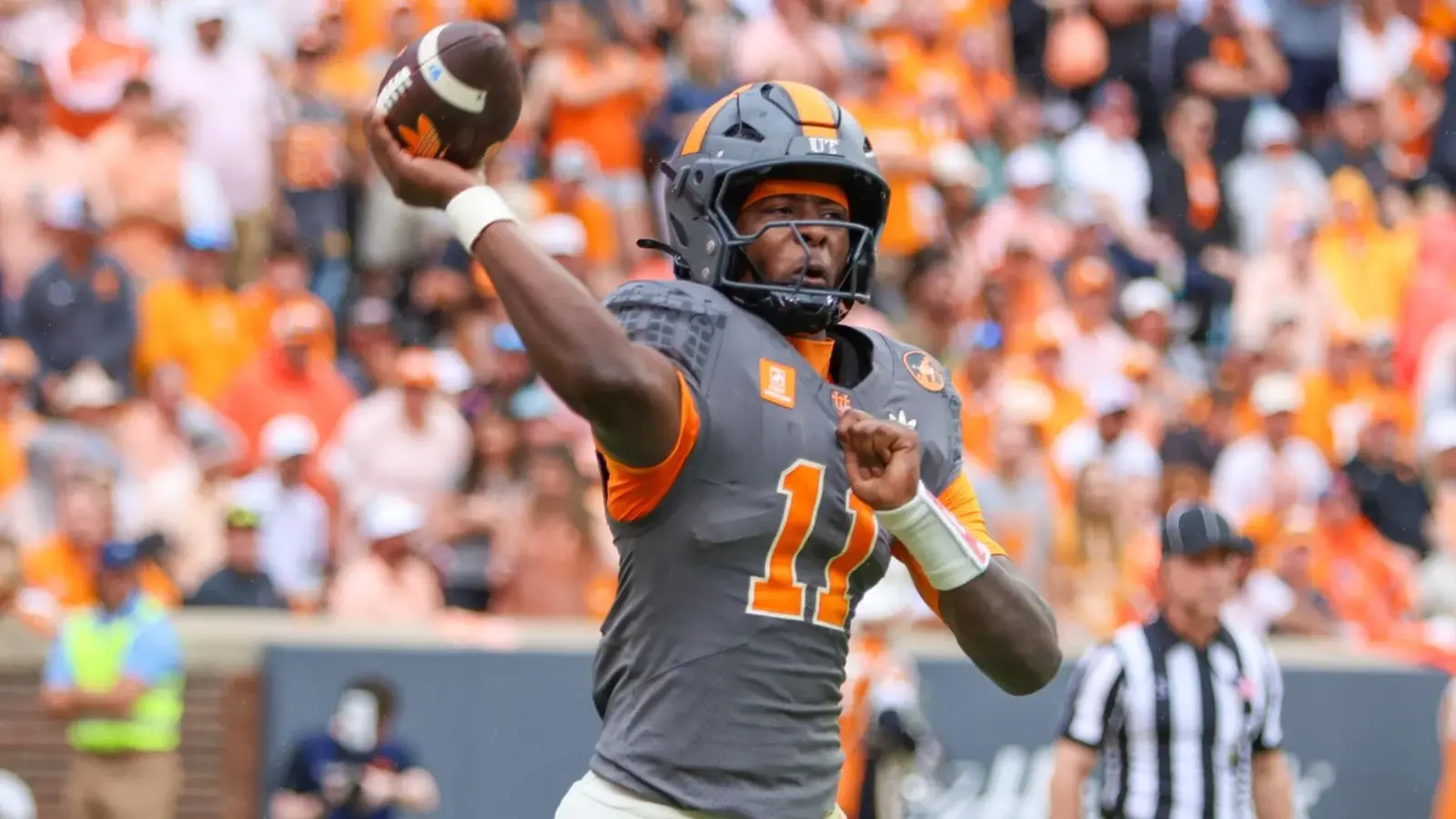 Tennessee’s Bold Decision Pays Off in 24‑14 Victory Over Auburn
 LaNorris Sellers Addresses Backup QB Rumors After Kentucky Loss
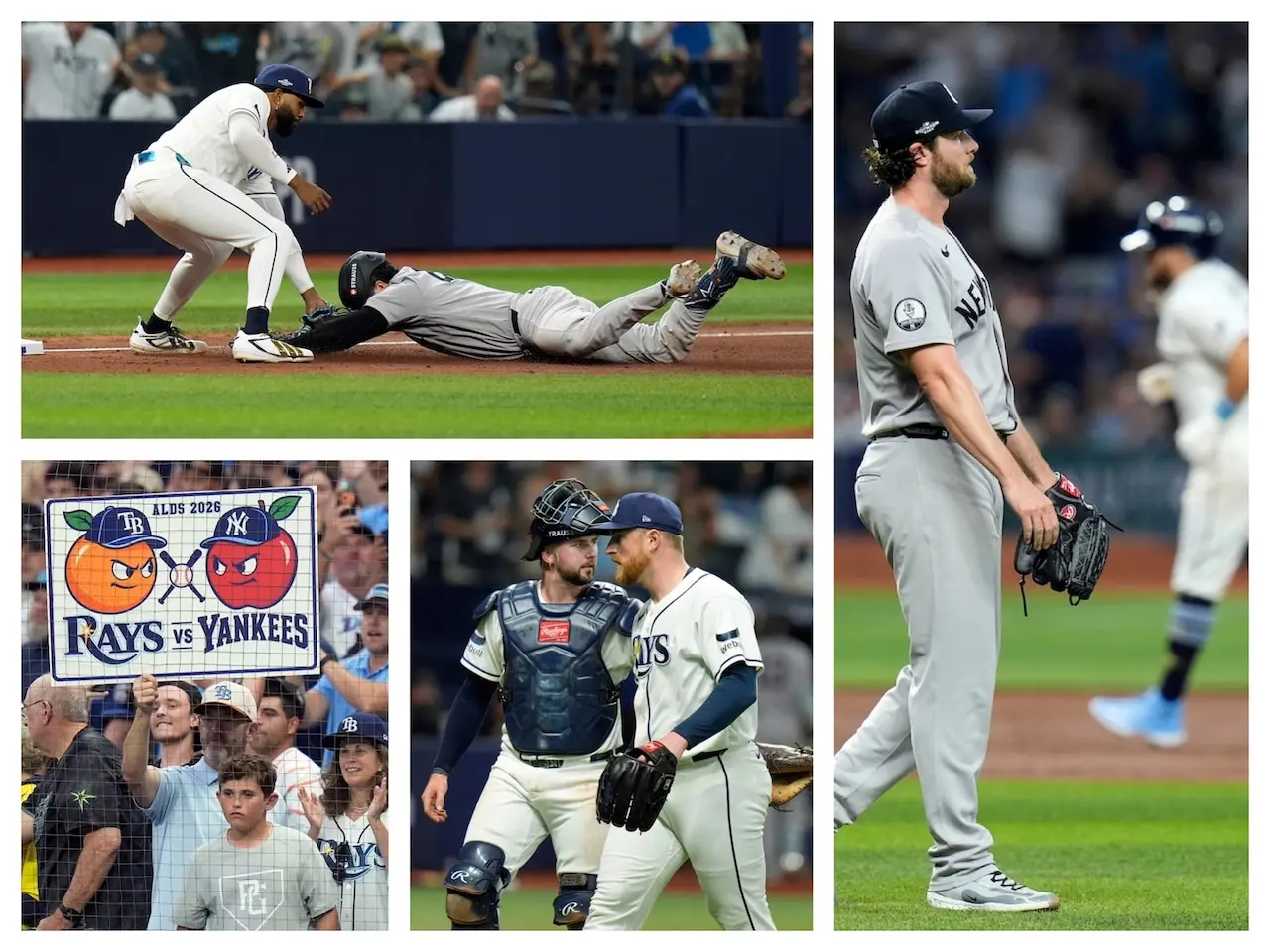 ALDS Game 1 Takeaways: Austin Wells’ Costly Mistake Haunts Yankees
 Revolution in the Rams’ Defense: Mid‑Game Call Change
Managers frequently believe their drafted rosters are flawless immediately after the draft. This confidence usually stems from securing high-profile talent or favorable positional advantages. However, the first two weeks of actual gameplay provide concrete data that challenges those assumptions. Injuries, unexpected bench performances, and offensive line struggles become evident. Consequently, the window between Week Two and Week Three offers the optimal opportunity to execute trades. This timeframe allows owners to react to early trends without missing crucial late-season value shifts.
The psychological shift from draft day optimism to Week Three pragmatism drives most market activity. Owners who sit at zero wins and two losses often feel compelled to make drastic changes. Even teams with one win and one loss may seek upgrades to secure a stronger foundation. The trading market becomes active as managers identify underperformers and overvalued assets. Specific player matchups and injury reports play a major role in these decisions. A star running back missing a game due to a minor tweak can suddenly become a prime trade target. Conversely, a backup quarterback stepping up in a high-scoring affair gains immediate value.
Should You Trade Your Star Player Now?
League dynamics also influence these early moves. Public leagues tend to see more volume because managers are less familiar with each other’s tendencies. Private leagues, however, often feature deeper strategic discussions. Friends and colleagues know exactly which positions need reinforcement. They understand which players are likely to be benched next week. This insider knowledge accelerates deal negotiations. Managers must balance the desire for immediate improvement against the risk of losing long-term assets. Selling a young player for an aging veteran might help this week but hurt the playoff picture later.
Determining whether to move a cornerstone piece early in the season requires careful analysis. Most experts advise caution when parting with high-floor players. These individuals provide consistent points regardless of weekly variance. However, if a star is facing a brutal schedule or playing on a struggling offense, their value drops significantly. Trading them while they still hold some perceived worth can yield better returns. On the other hand, holding onto a struggling star out of pride often leads to regret. The goal is to maximize total points, not maintain emotional attachment to specific names.
Data from the first two weeks serves as the primary filter for these decisions. Look beyond single-game outliers. A player who scored twenty points in Week One but only five in Week Two needs closer scrutiny. Was the drop due to a bad matchup or a systemic issue? If the latter, the trade value has decreased. If the former, the player remains a solid hold. Managers should also monitor waiver wire trends. If multiple teams are targeting the same position, the scarcity premium increases. Acting quickly prevents being left with inferior options.
Frequently Asked Questions
Is Week Three too early to make major trades? No, it is actually the ideal time. The first two weeks provide enough data to identify true talent versus luck. Waiting longer often means dealing with entrenched underperformers who are harder to move.
How do I determine if a player is truly underperforming? Compare their production against their projected baseline and league average. If they consistently fall below expectations despite favorable matchups, they are likely underperforming. Single bad weeks do not define a player’s entire season.
Should I trust my gut or the stats in Week Three? Rely primarily on statistical trends and injury reports. Gut feelings can be biased by draft-day emotions. Objective data helps remove personal attachment from decision-making processes.
Content written by Luke Hubbard for live-sports-site.com editorial team, AI-assisted.